Victor Hugo described them as "pieces of France that fell into the sea and were picked up by England." They have their own currency, they form two states that are not part of the United Kingdom but are directly dependent on the British Crown, which appoints their bailiffs (their civil registrars), and they are closer to Normandy than to England. And, let's face it, we French don't really know much about them.
So there are many reasons to discover the Channel Islands of Jersey and Guernsey, and to focus here on the lesser-known of the two, Guernsey, with its three islets, Sark, Alderney and Herm.
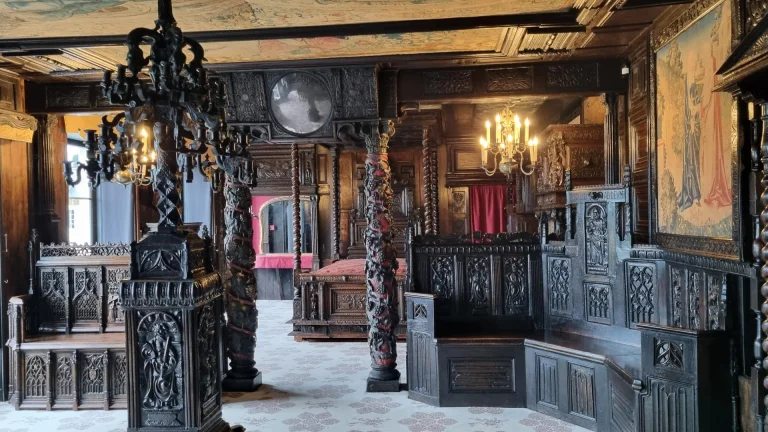
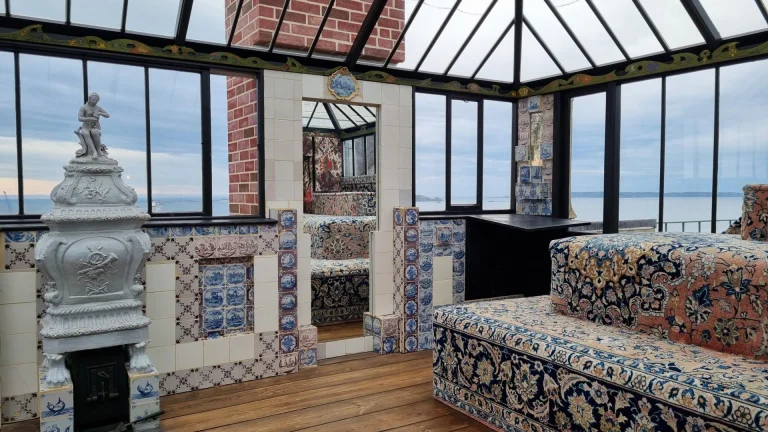
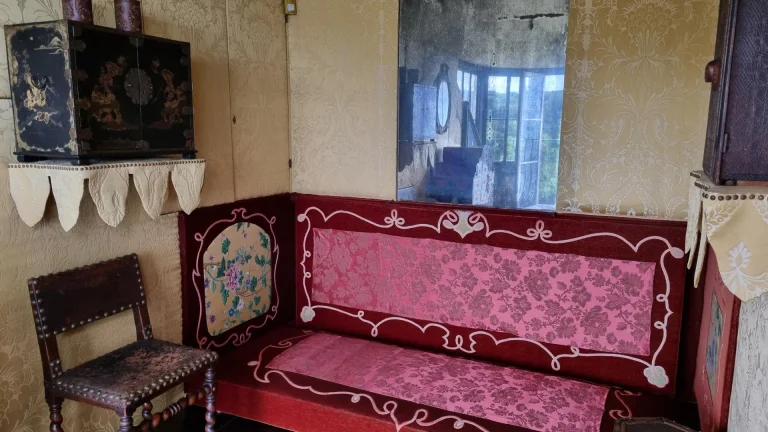
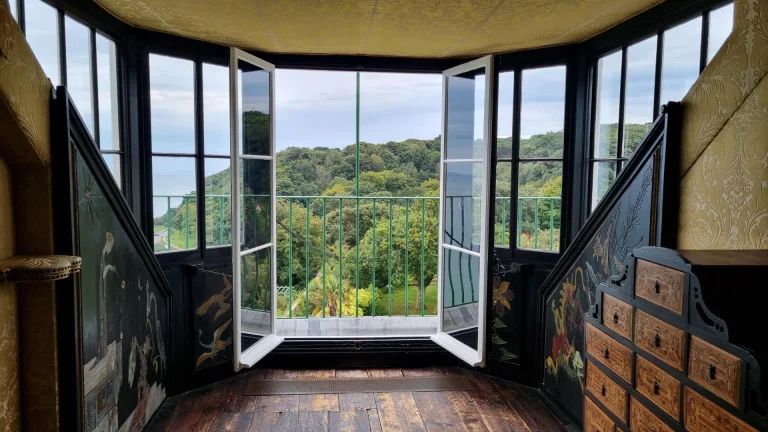
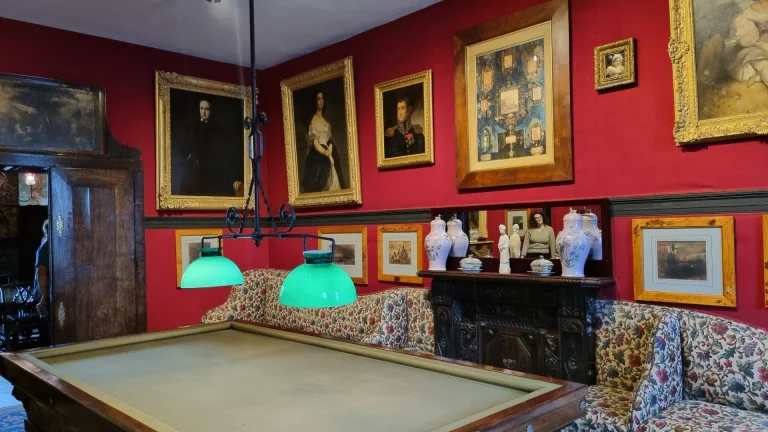
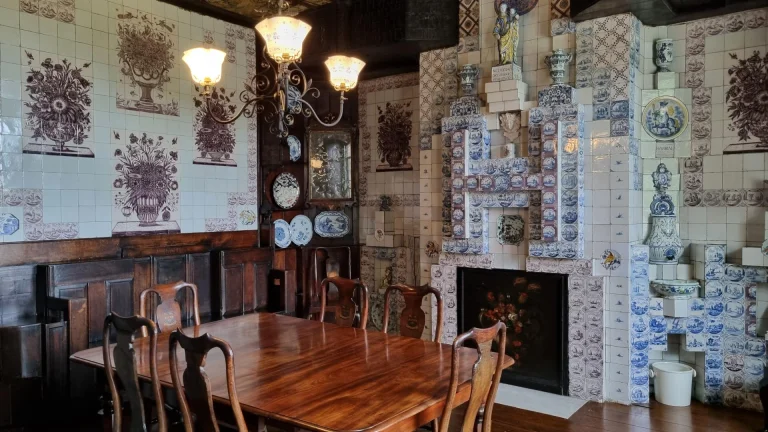
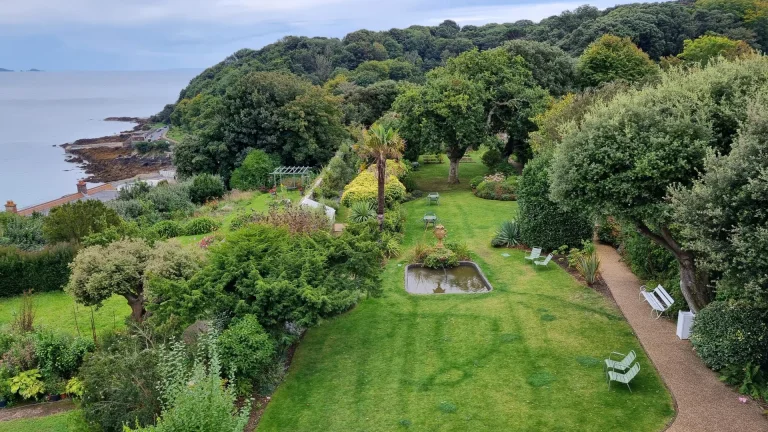
Victor Hugo, the writer exiled by Napoleon III, lived there from 1856 to 1870. His house, Hauteville House, is in Saint Peter Port . Behind the austere white stone facade lies an incredible ode to the tormented imagination of its occupant, all dark paneling, Gothic and Romantic, eccentric and extravagant.
The rooms are overflowing with sculptures whose hidden symbolism befits the writer's interest in spiritualism. For example, the oak gallery, combining bedroom and study, features a head above the four-poster bed, a face on one side, a skull on the other. Memento mori…
Paradoxically, Victor Hugo didn't use this room; he slept in a tiny room under the eaves.
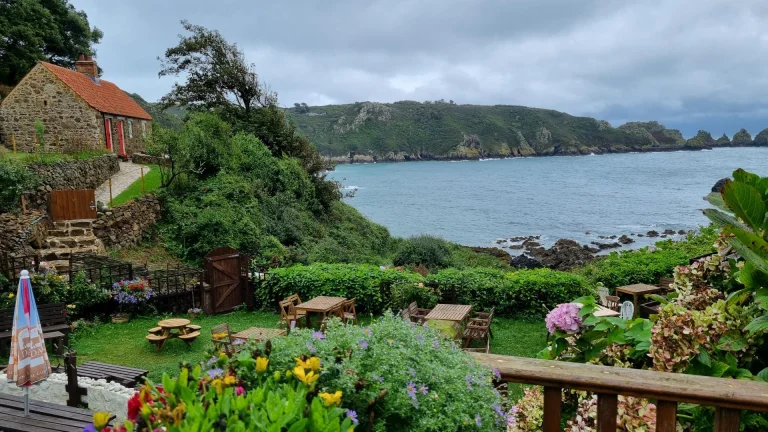
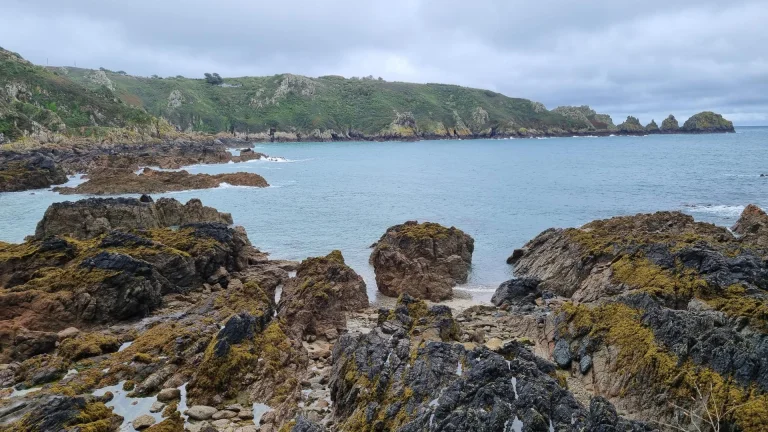
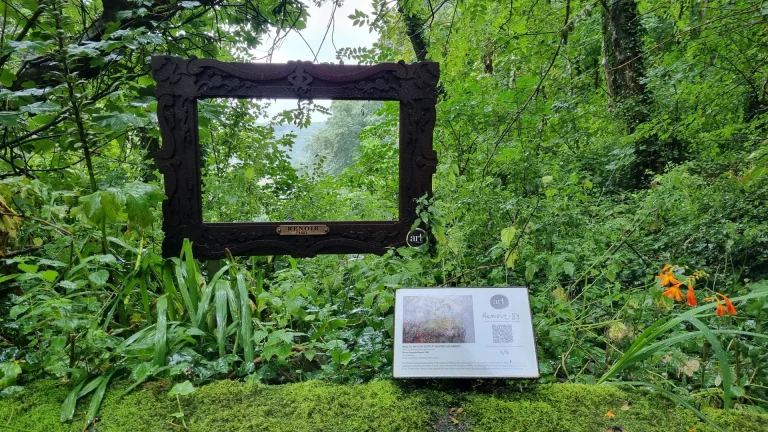
It's less well known, but Auguste Renoir also stayed on the island in 1883. He painted about fifteen canvases there, depicting the different shades of the English Channel and the rocks as seen from Moulin Huet Bay. A trail allows visitors to discover each of the landscapes he captured.
Celebrating 80 years since the liberation… on May 9th
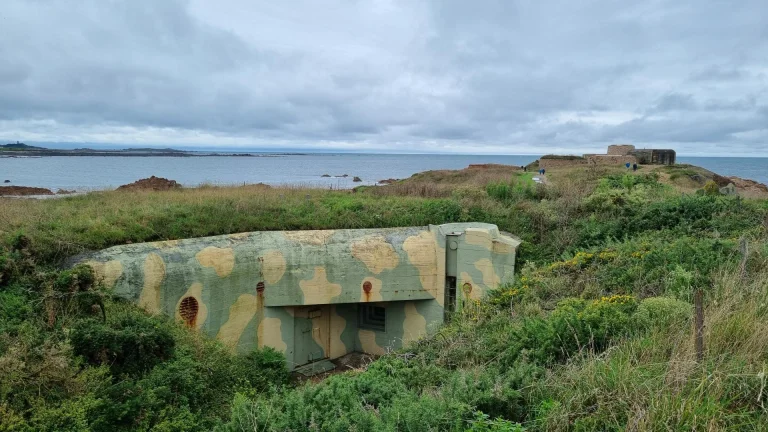
Another unusual feature is that they are the only British Isles territory to have been occupied by Germany. The German army even built fortifications of the Atlantic Wall there. Guernsey is thus rich in emblematic sites of the Second World War, starting with an underground German hospital that could accommodate 800 wounded soldiers.
Then there's Fort Hommet. Built in the 19th century and reinforced by the Germans, it houses a small museum retracing the living conditions of German soldiers… as well as a striking altar to the Sacred Heart made of seashells.
It's worth noting that in Guernsey, Victory Day is celebrated on May 9th. Indeed, the German soldiers only surrendered the day after Germany's capitulation.
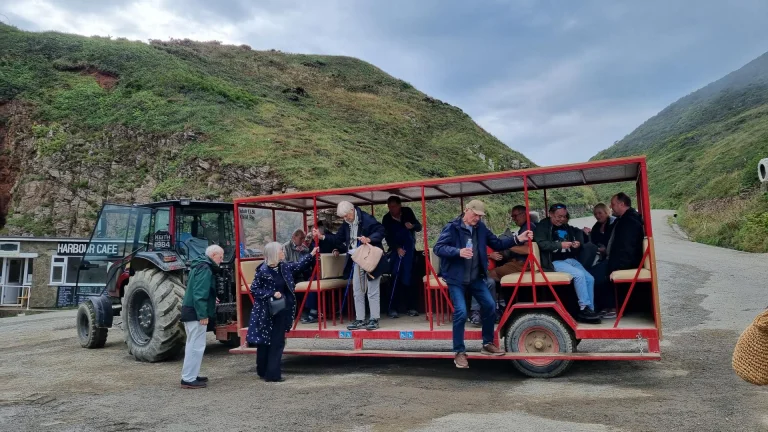
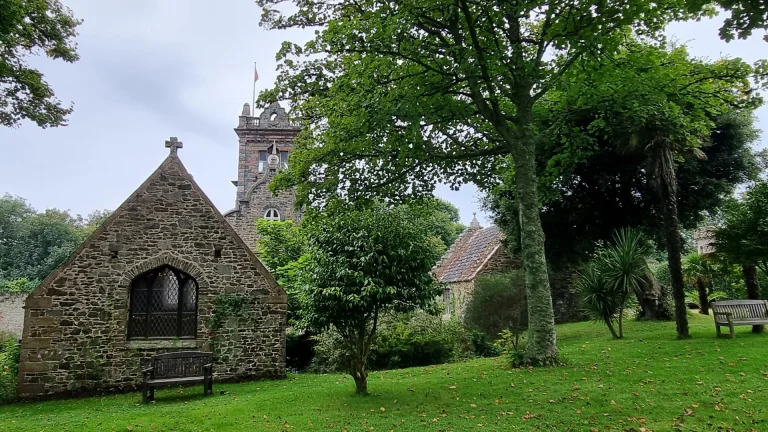
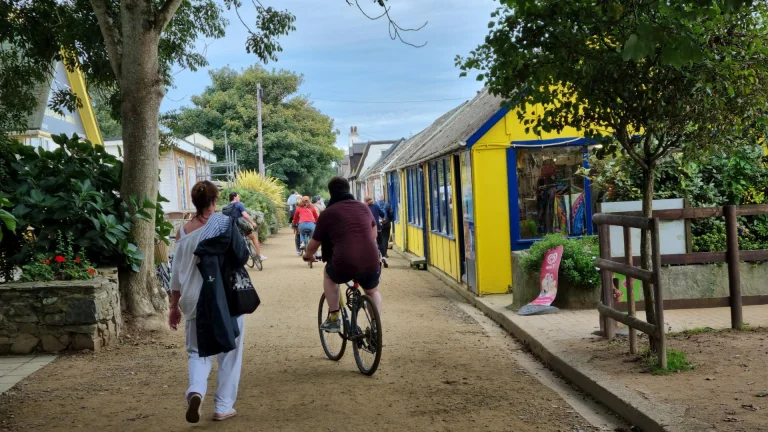
Just a stone's throw from Saint-Pierre-Port, Sark is ideal for getting away from it all. Here, the only motor vehicle is the tractor that transports passengers from the port to the "town" and its main street, The Avenue, a small dirt lane.
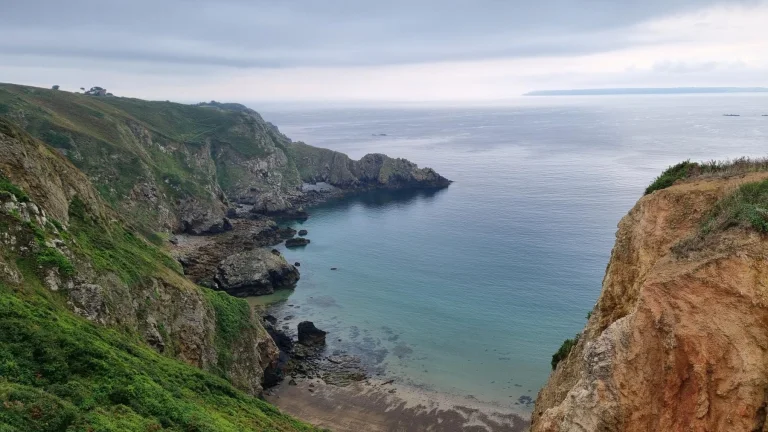
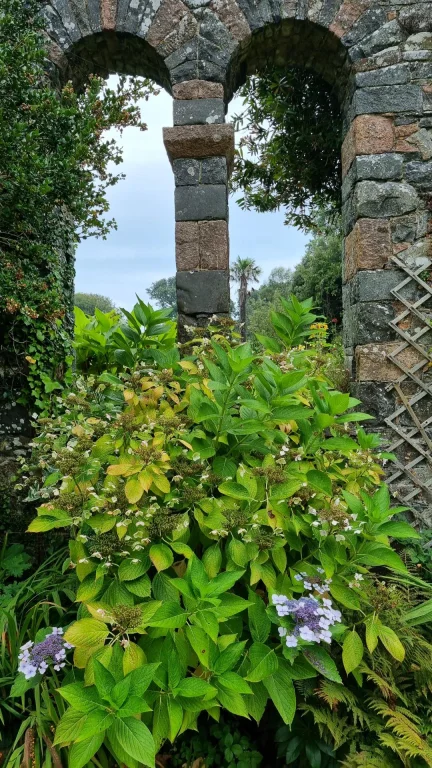
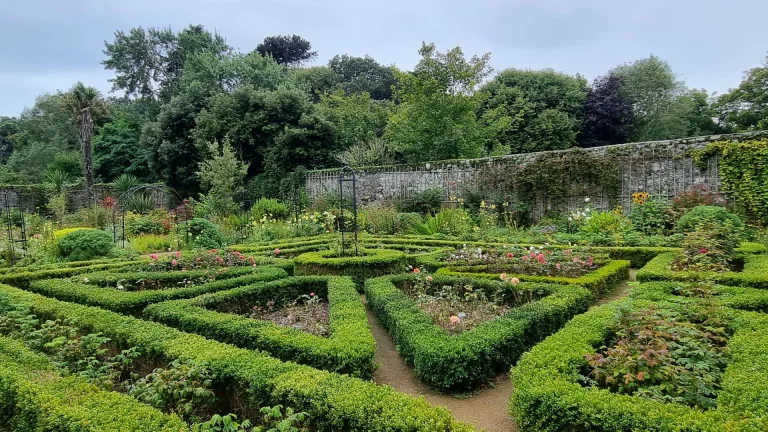
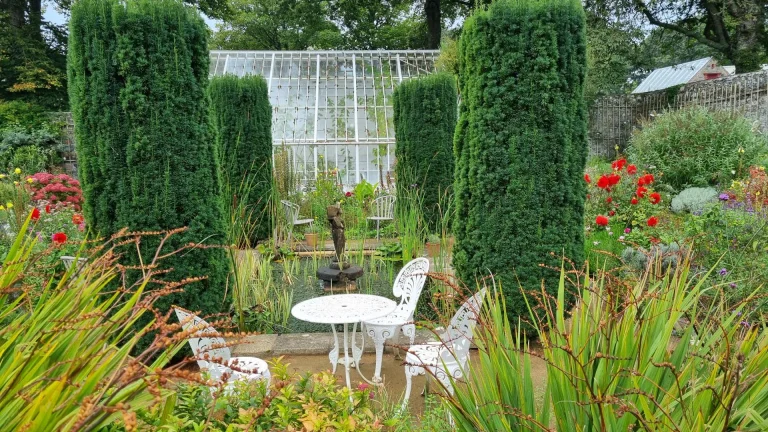
By bike, on foot or by horse-drawn carriage, we set off to discover the country lanes. This small piece of land of 5 km² offers green and peaceful meadows, a profusion of rhododendrons, camellias and hydrangeas thanks to the mildness of its climate, a rugged coastline where cliffs and white sand coves alternate.
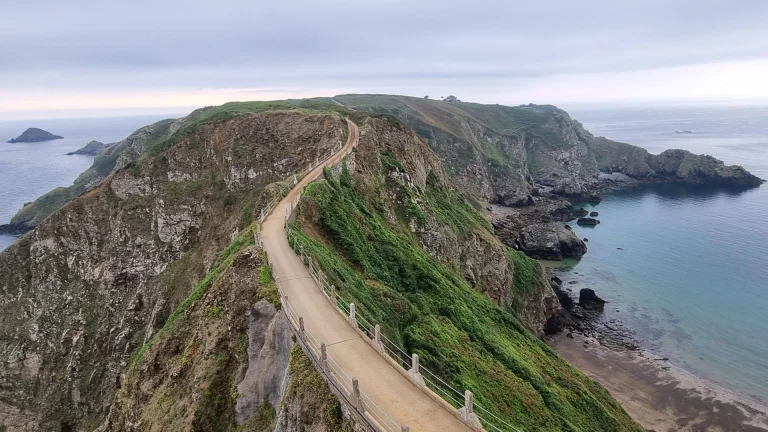
In fact, we should really be talking about two small pieces of land, with the main island of Sark and the smaller island of Sark, connected by the Coupée, an isthmus only a few meters wide bordered by sheer cliffs.
Without public lighting and far from light pollution, Sark is the first island in the world to be designated a "dark sky reserve".
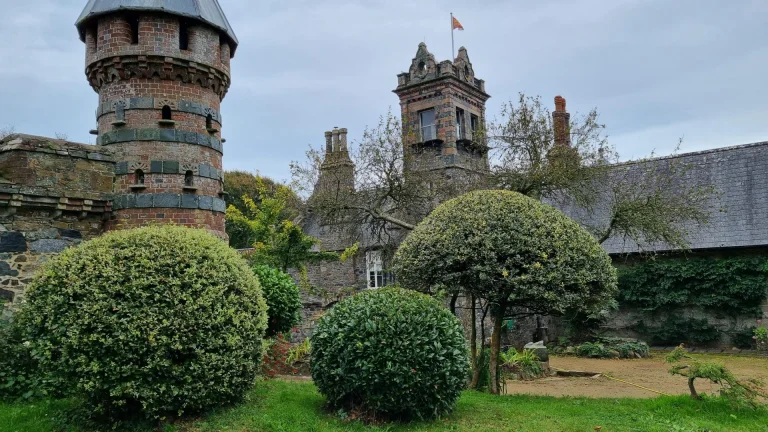
Don't miss the Seigneurie, an elegant 18th-century manor house. It remains the residence of the island's lord: the last feudal state in Europe, Sark only became a democracy in… 2008!
A simple glance at maps of Guernsey and Sark reveals how strongly the islands have retained their Norman identity. Route de la Croix au Baillif, Les Varioufs, Route de Cornus or Route du Camp du Roi, Rue du Dos d'Âne, Landes du Marche, Le Long Pierre, Le Crocq, La Grande Havre Bay, Table des Pions, and Torteval follow one another in Guernsey.
In Sark, one can wander among the names Rouge Terrier, Port à la Jument, Port du Moulin, L'Eperquerie, Grève de la Ville and Grande Grève, Rue des Lâches (!), La Coupée, Bec du Nez, Rue du Sermon…
The Channel Islands are truly unique…
Practical information
Guernsey Practical Information:
Guernsey's airline, Alderney, has opened a route to Paris. Flight time: 1 hour 20 minutes. You can also get there by ferry from Saint-Malo (2 hours).
Tourist office : visitguernsey.com.
Accommodation :
The Rockmount, on the seafront. With excellent pub food.
Dream Camp, luxury eco-glamping, offers chalets or safari tents with stunning sea views.
Dining :
Just steps from Rockamount, The Puffin and Oyster overlooks Grand Havre beach.
At Moulin Huet, the tiny Renoir Tea Garden nestled in the bay.
On the heights of Saint-Peters-Port, the Copenhagen restaurant, in former stables.
In Sark, Hugo's bar and bistro, decorated with posters and writings about Victor Hugo.