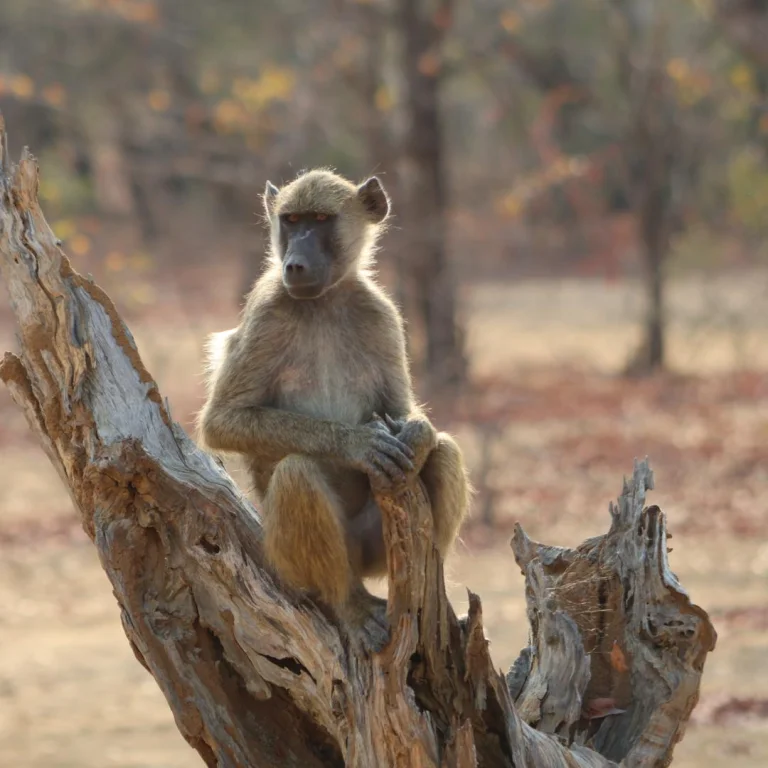
Joyful songs resound as soon as the minibus is in sight of the lodge. Smiling faces greet the visitors, welcome, welcome! Gazelles pass by quietly without even a glance at the new arrivals, a baboon watches them.
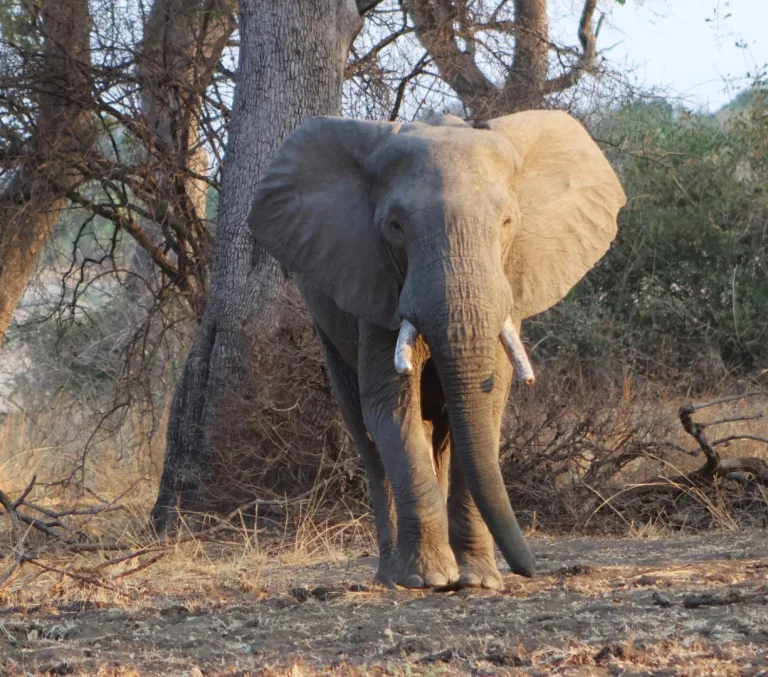
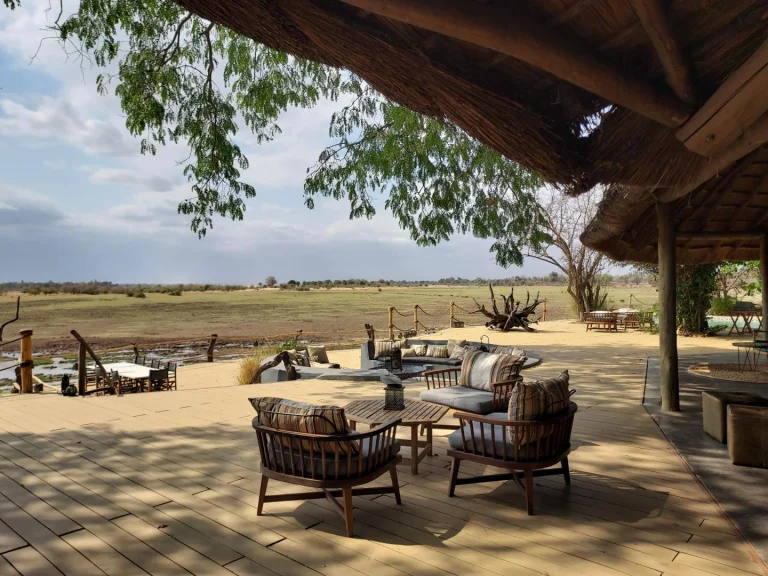
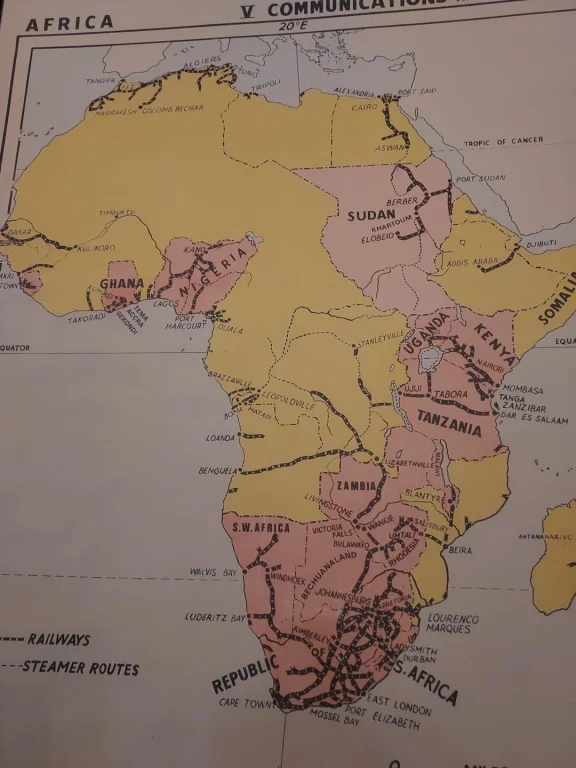
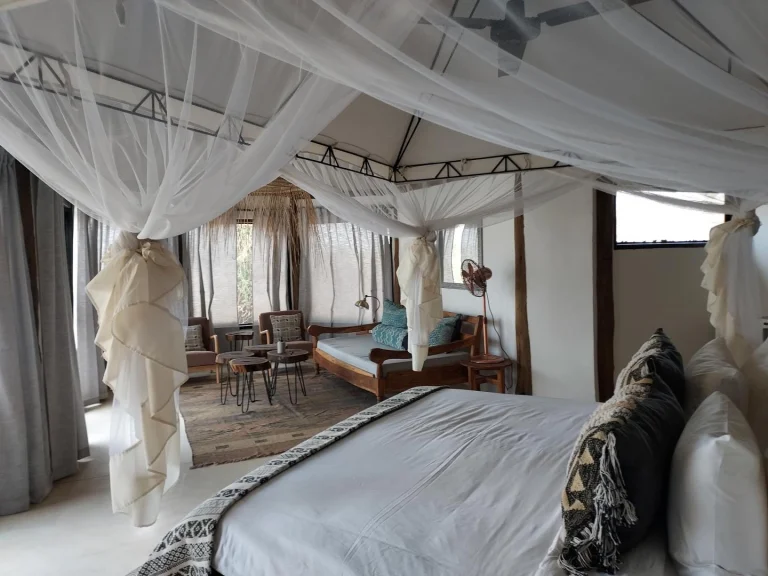
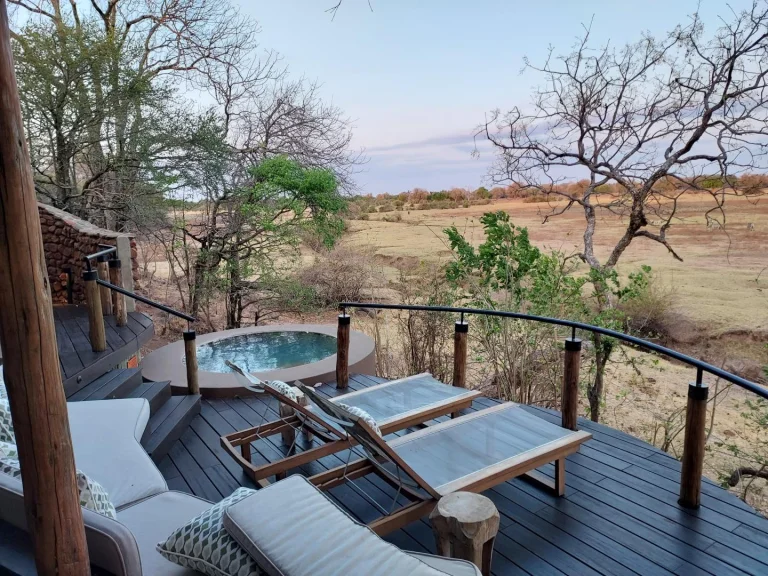
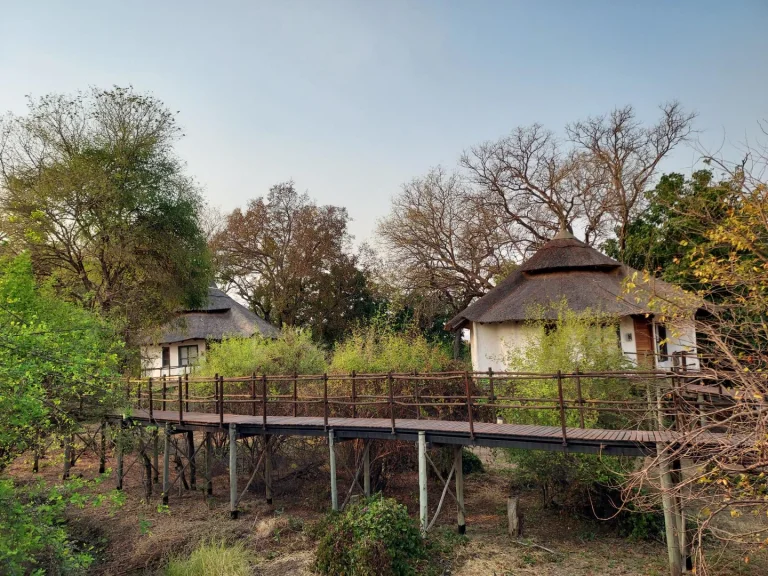
Welcome to Zambia, this country in the heart of southern Africa, still preserved from mass tourism. The semi-hard chalets and tents blend discreetly into the preserved natural landscape. Only a ditch prevents elephants and other buffalo from coming onto the terrace, but they pass very close.
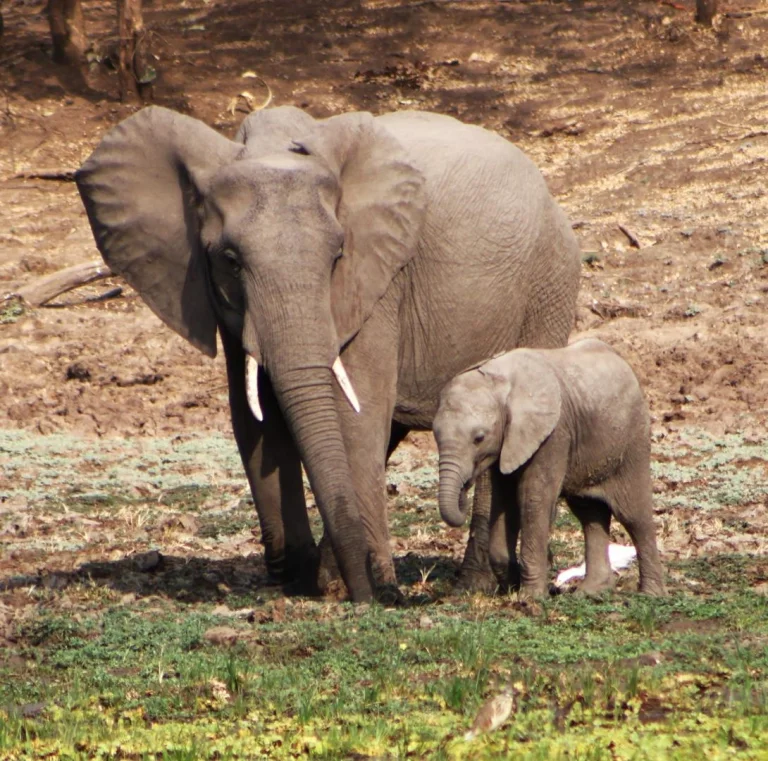
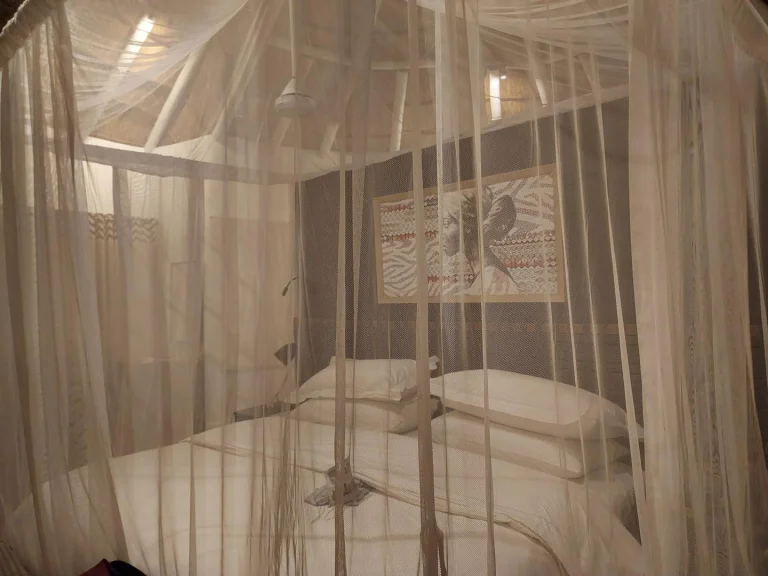
Depending on the location of the camp, the bed is made on a terrace under the vaulted sky for an unforgettable night listening to the unusual noises... No fence prevents the movement of animals and, at nightfall, it is forbidden to leave your accommodation to reach the restaurant without being accompanied by a guard.
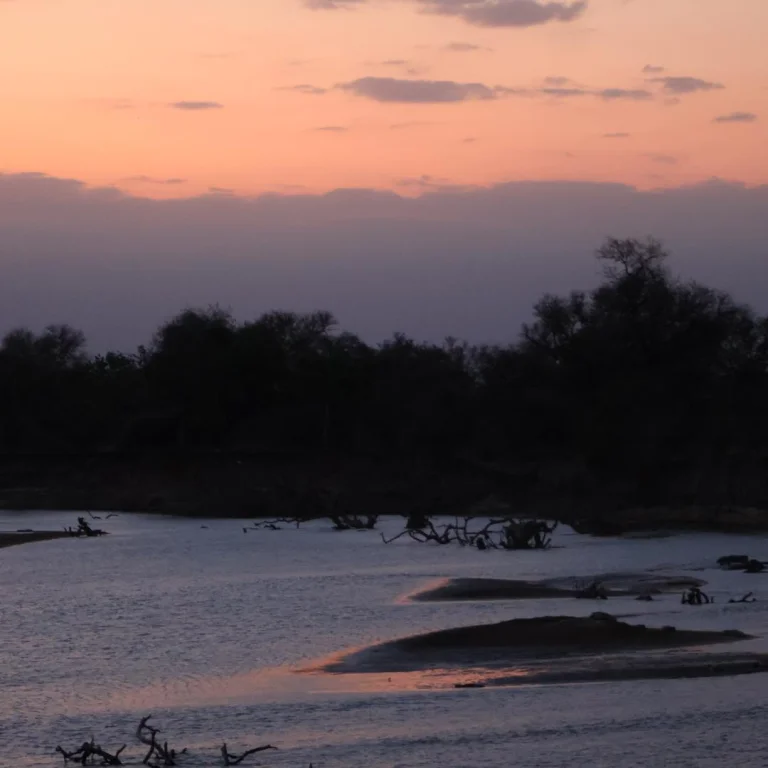
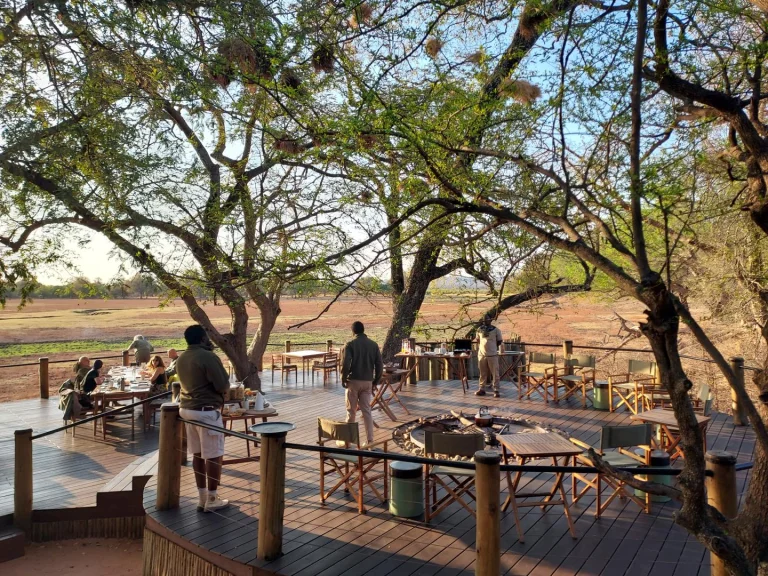
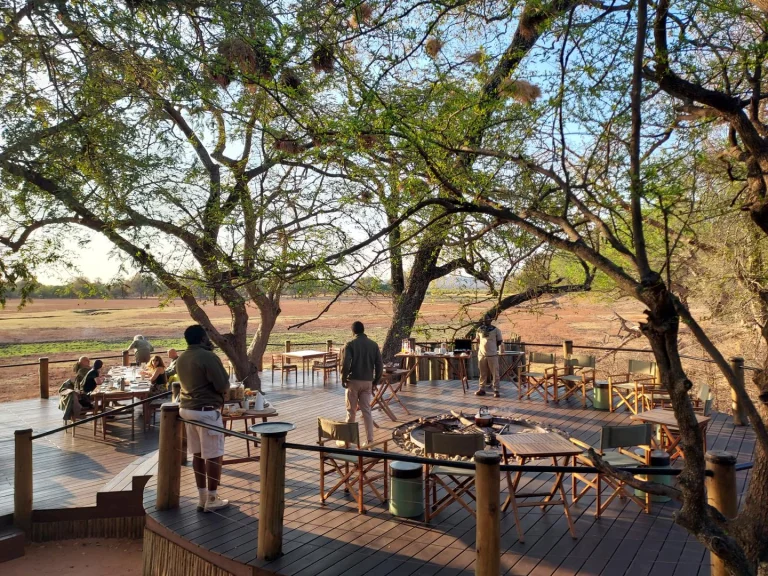
The atmosphere then becomes magical, a fire burns on the restaurant terrace. On the other side of the ditch, the silhouettes of gazelles stand out, a solitary hippopotamus wanders. It is impossible not to fall under the spell of Zambia!
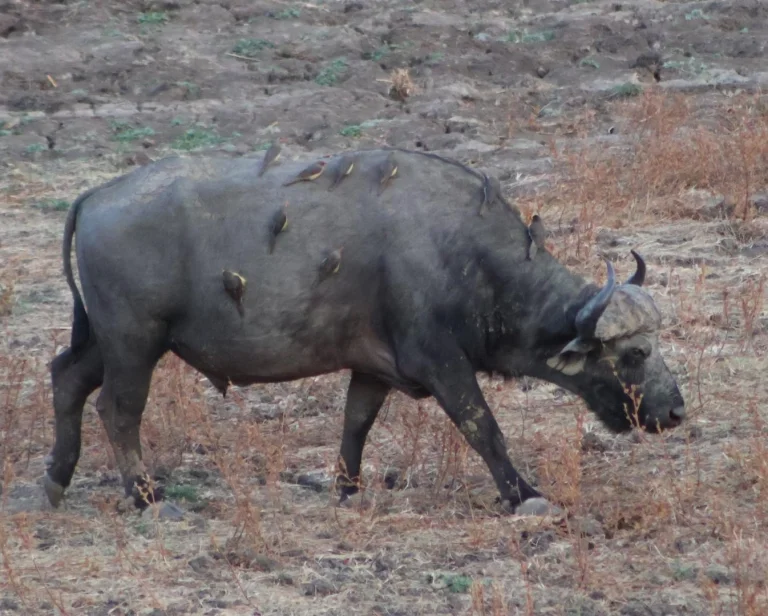
Live unforgettable moments
In Zambia, everything seems more authentic. There are no tarmac ribbons in the landscape, the road network is mainly made up of tracks; wild animals move freely, the national parks are not fenced. To go from one region to another, it is better to go to the capital Lusaka to take one of the small planes that provide internal connections.
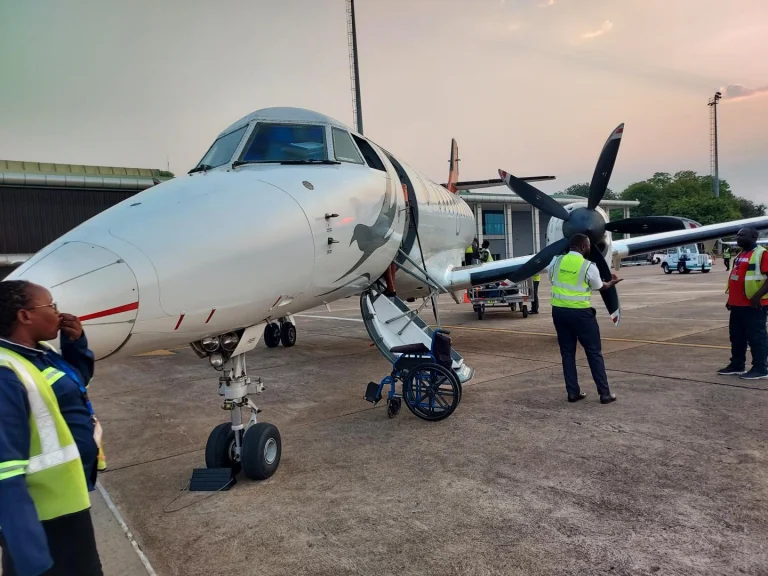
This is probably one of the reasons that preserves the country from mass tourism, as well as the (relatively) difficulty of access to the country (no direct flights from France). Most tourists are wrongly satisfied with a flight to Victoria Falls before continuing on to South Africa, Namibia, Tanzania, Zimbabwe.
20 national parks that are home to over 1,800 animal species, 36 wildlife management areas, 450 forest reserves, botanical reserves and numerous national heritage sites make Zambia a true wildlife sanctuary.
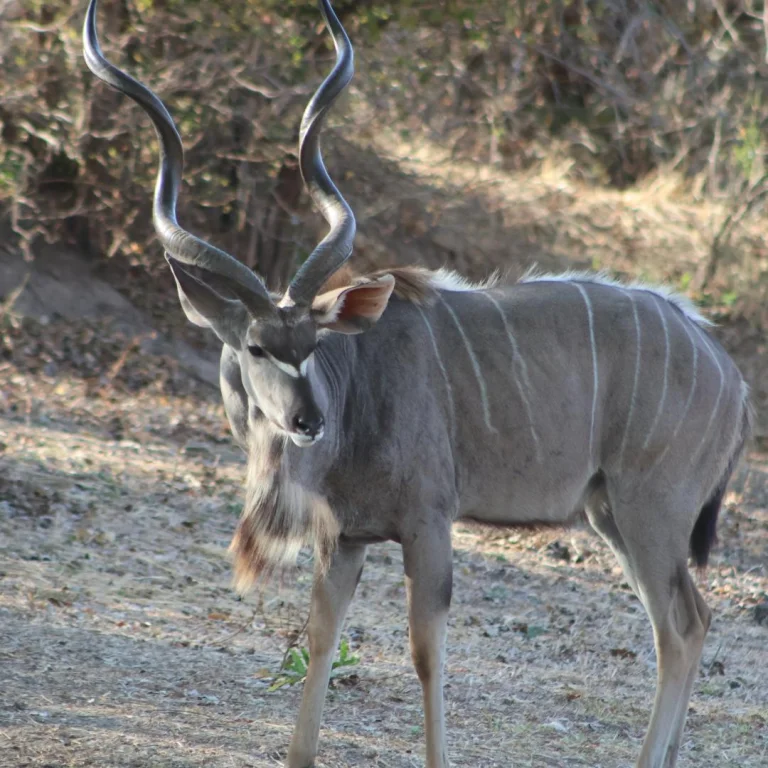
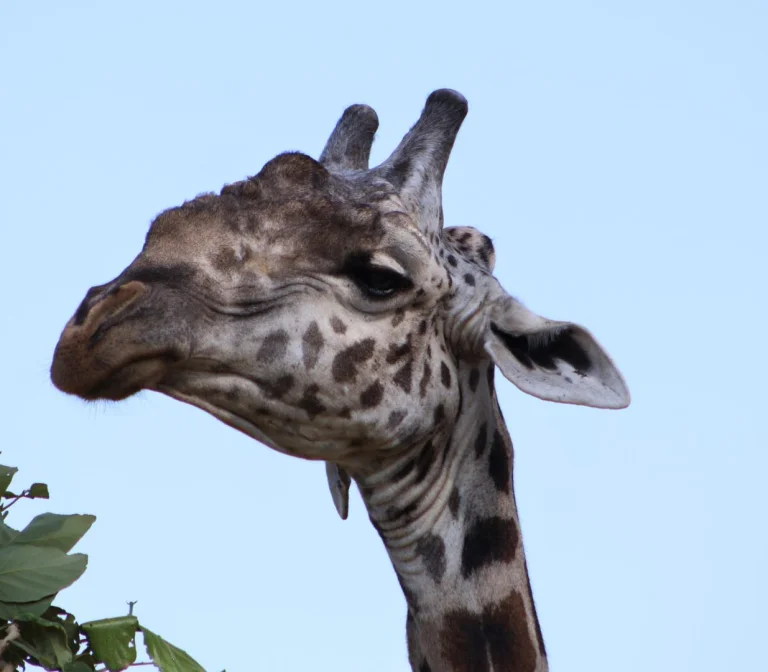
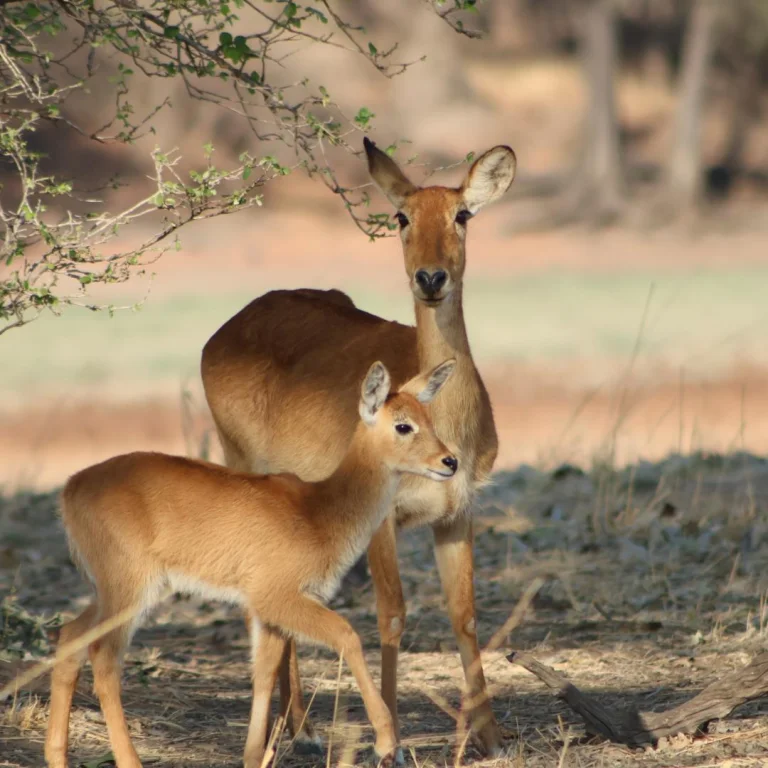
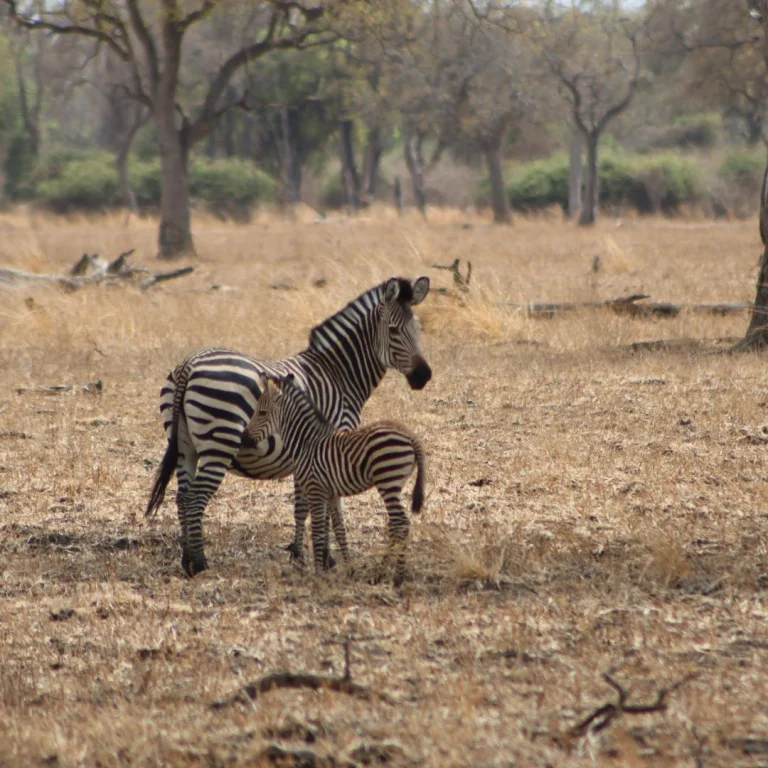
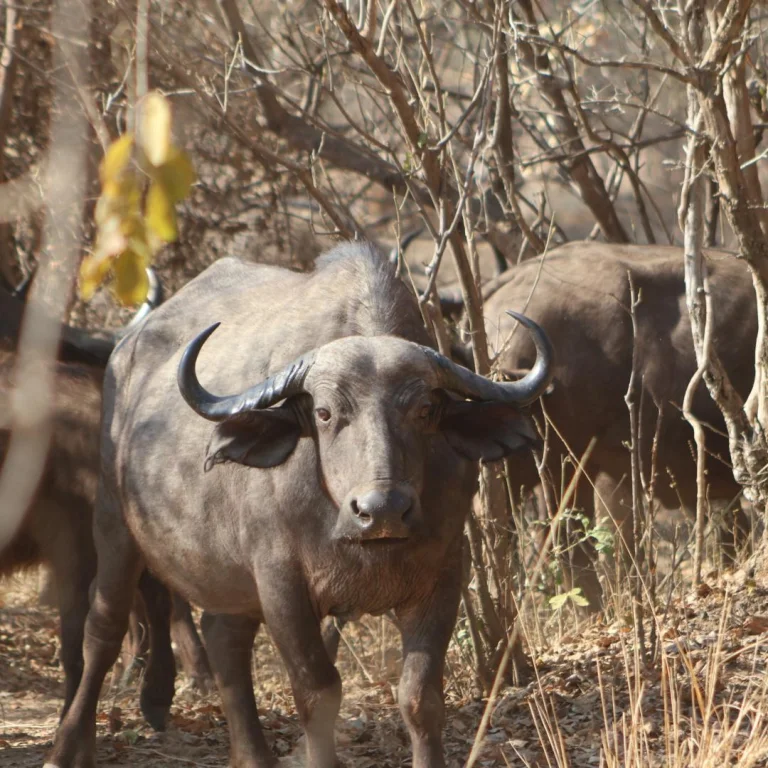
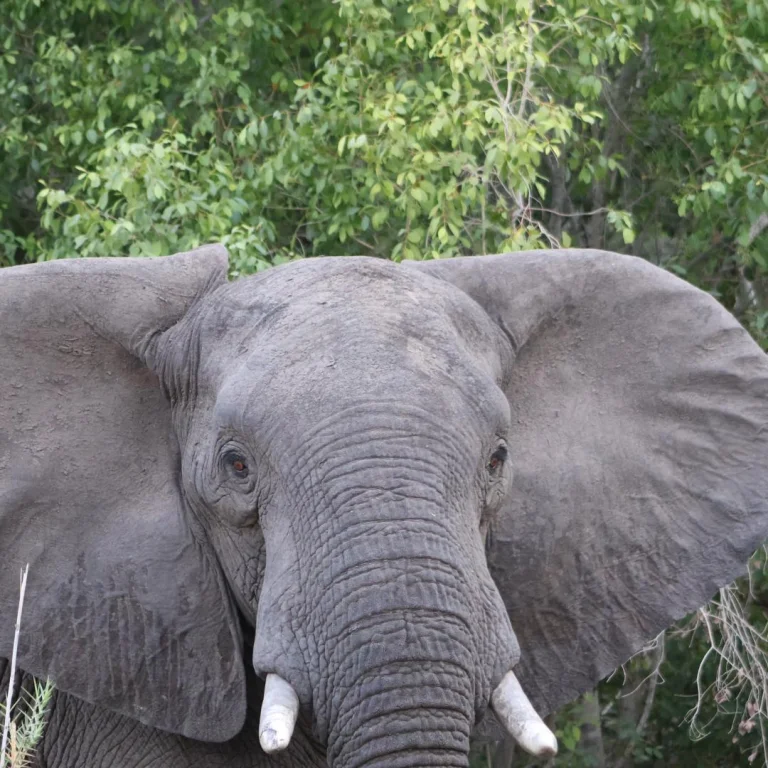
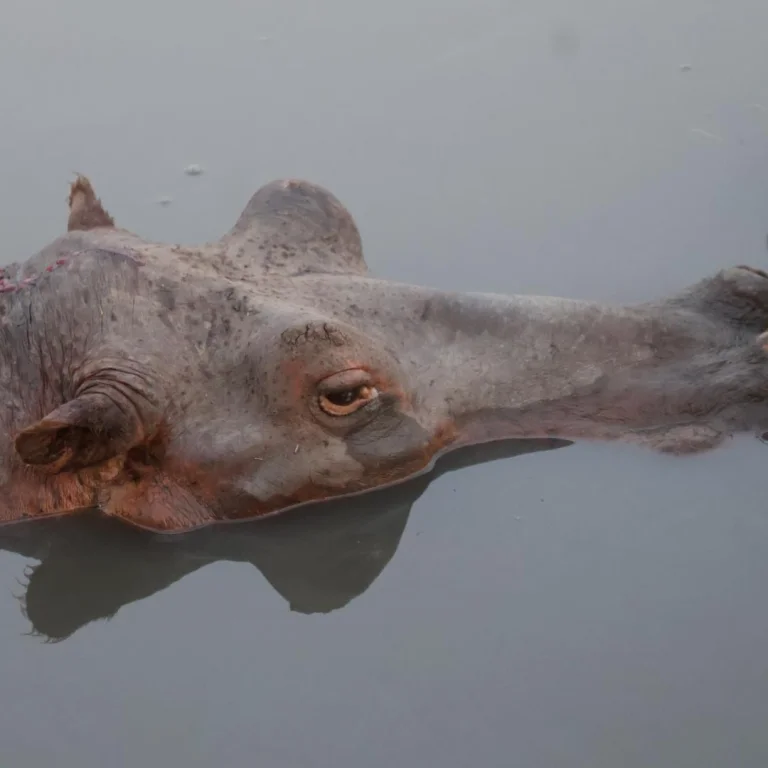
This African country far from the beaten track is rich in attractions with welcoming tribes (73 ethnic groups), vast wilderness areas sheltering an incredible density of animals, the largest population of hippos in the world, the largest artificial lake in the world. Not to mention the "big five" namely the elephant, the lion, the buffalo, the leopard and the black rhinoceros.
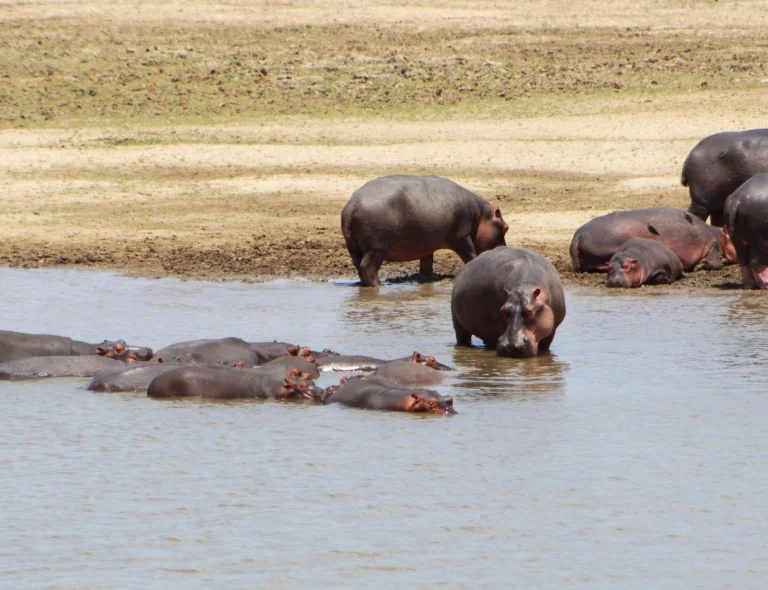
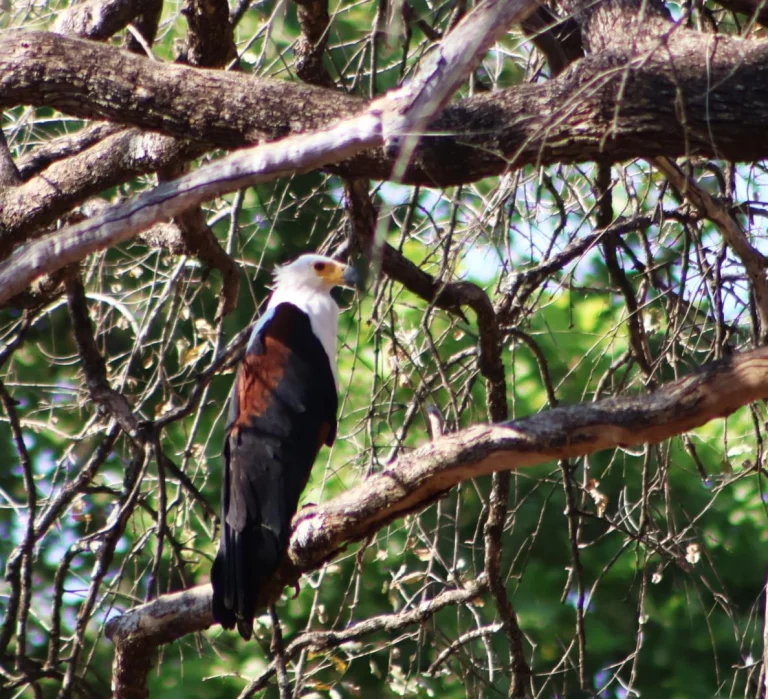
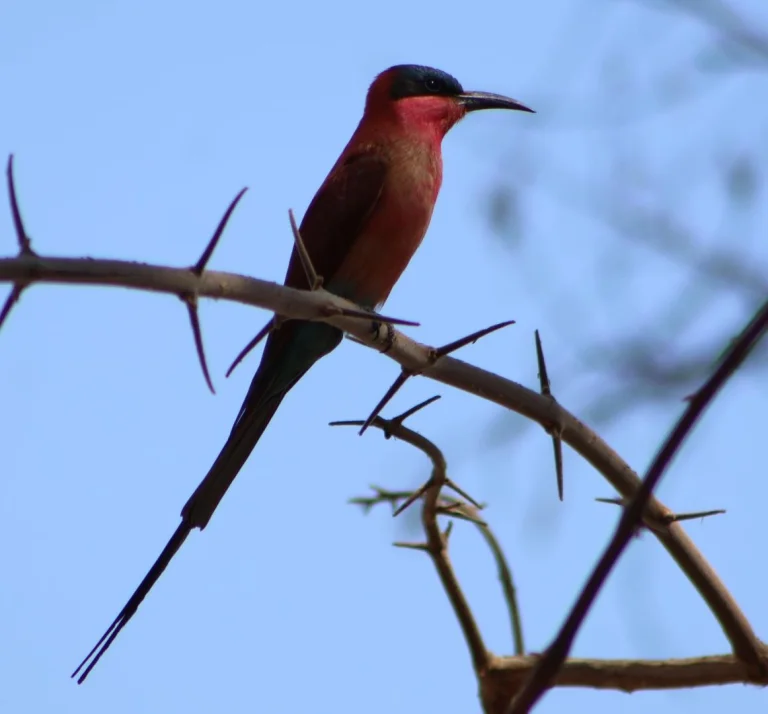
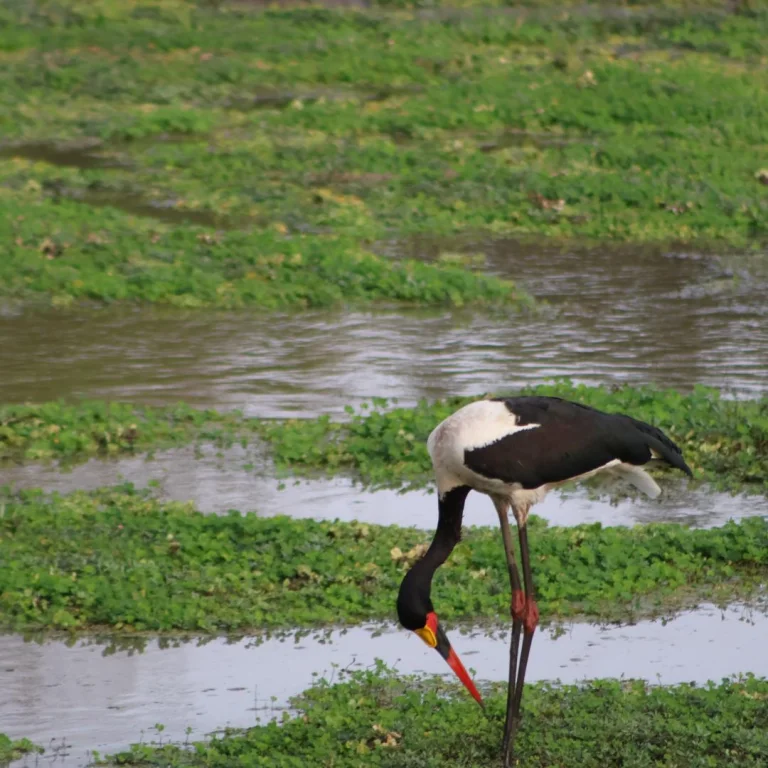
During the safaris, you also have to look up since Zambia is home to several hundred species of birds:
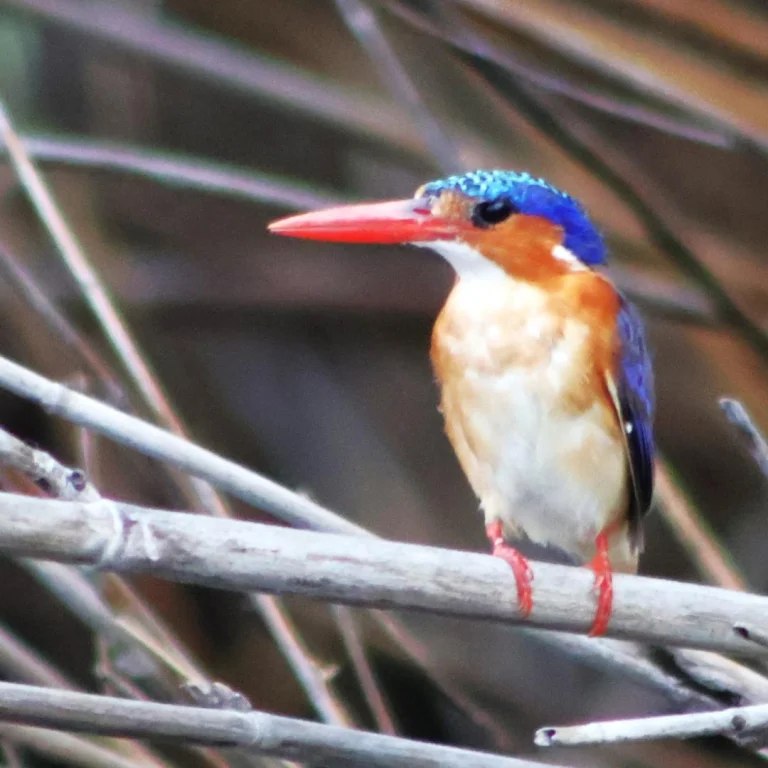
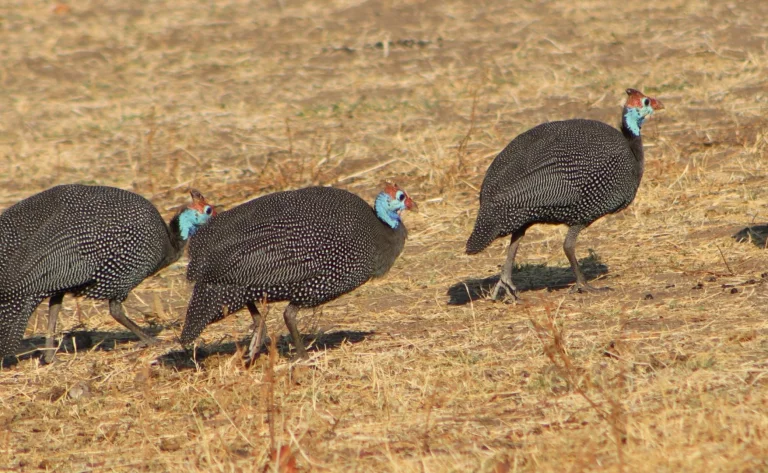
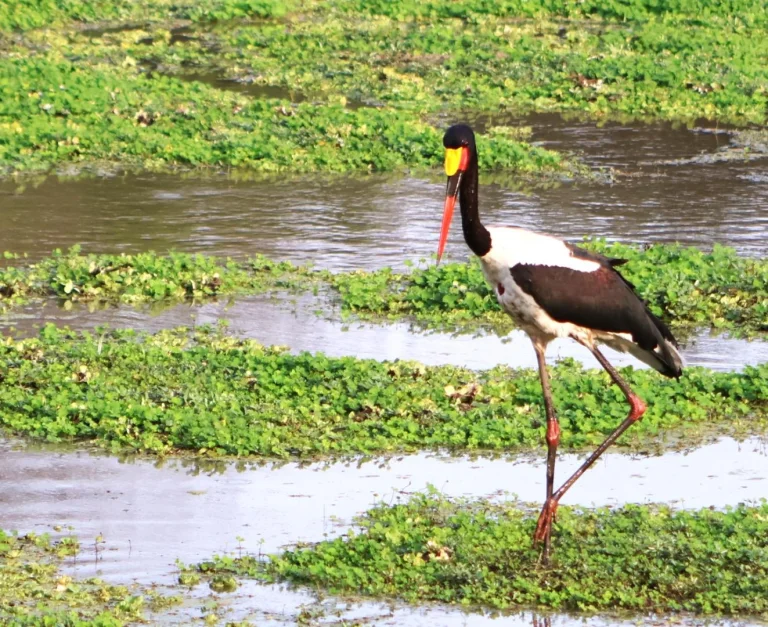
Big five and little five
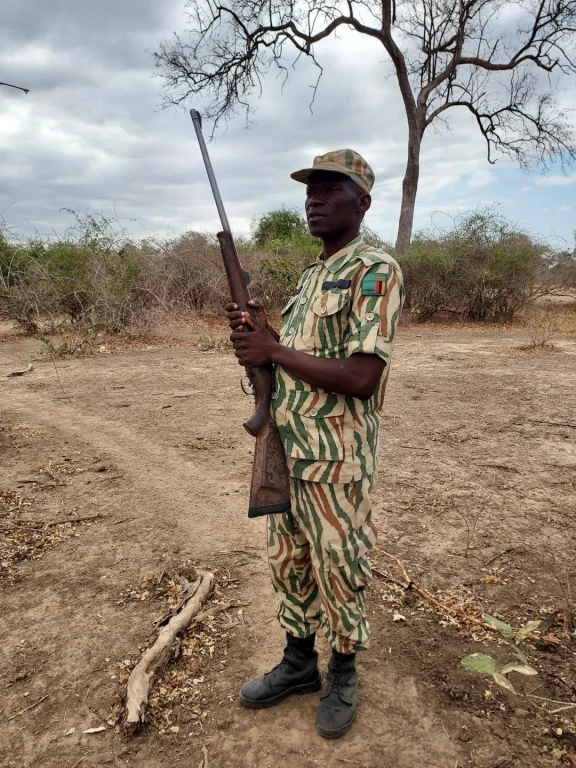
South Luangwa National Park is the historic birthplace of walking safaris. Setting off into the savannah and sparse forests in the company of a ranger and a hunter armed with a Kalashnikov is a real adventure.
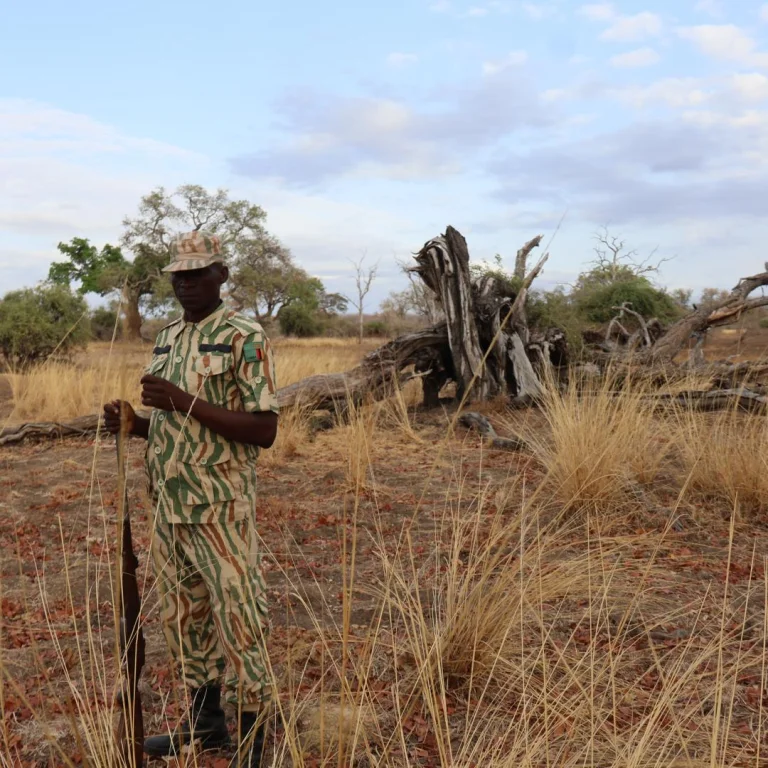
We walk in single file, observing a respectful silence, barely daring to breathe when the guide points out elephants or this rare group of white rhinos.
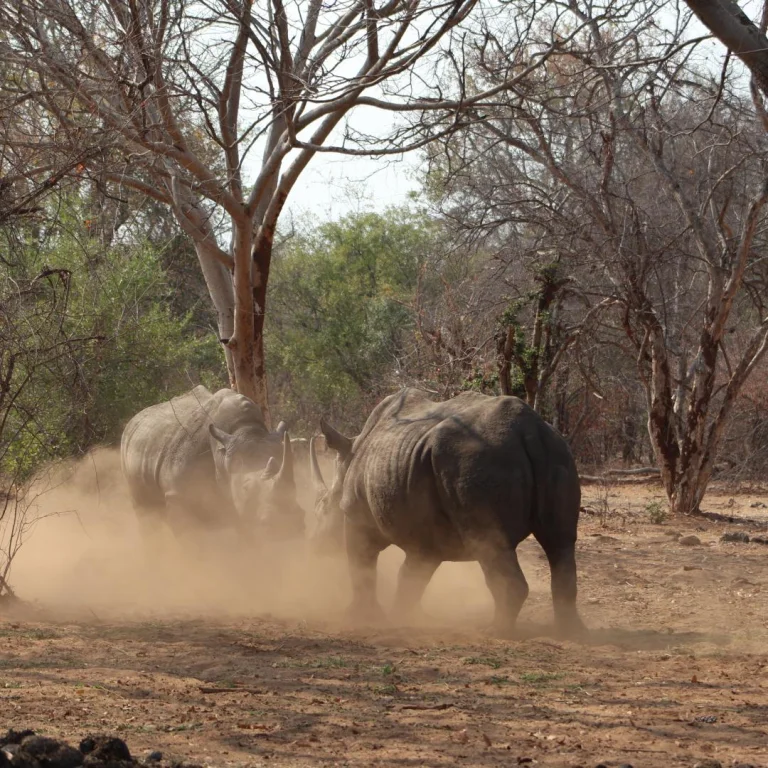
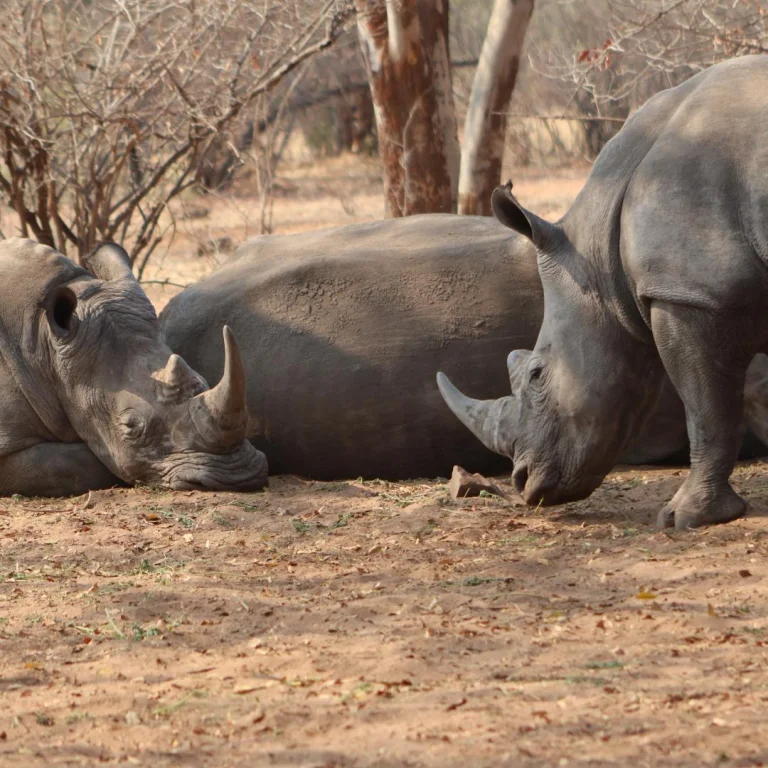
Walking safaris are not only an opportunity to observe animals – sometimes you don't see any – but also to learn more about the local flora and fauna.
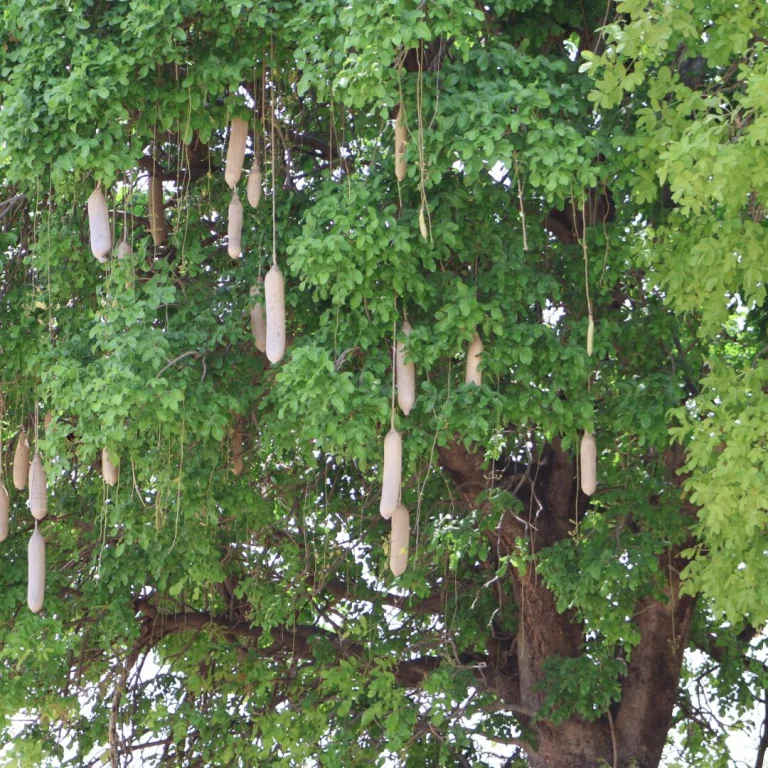
The ranger shows footprints, explains the usefulness of elephant droppings rich in various herbs (good for relieving headaches and nosebleeds in humans!) and seeds used as food for monkeys, for example. The bark of the fruit of the kigelia africana, nicknamed sausage tree, is too hard to allow the seeds to germinate: fortunately, elephants are fond of it and digest it.
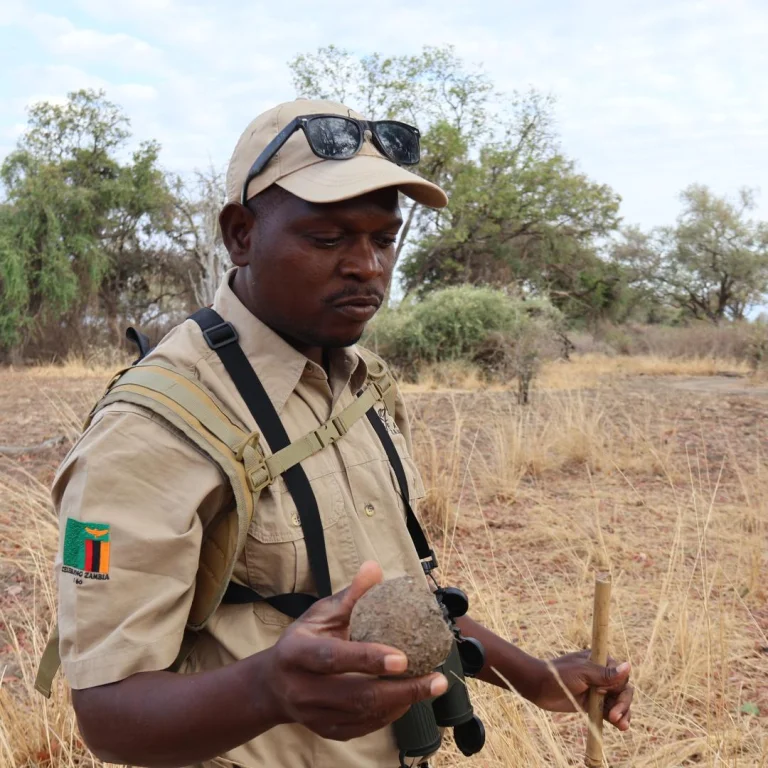
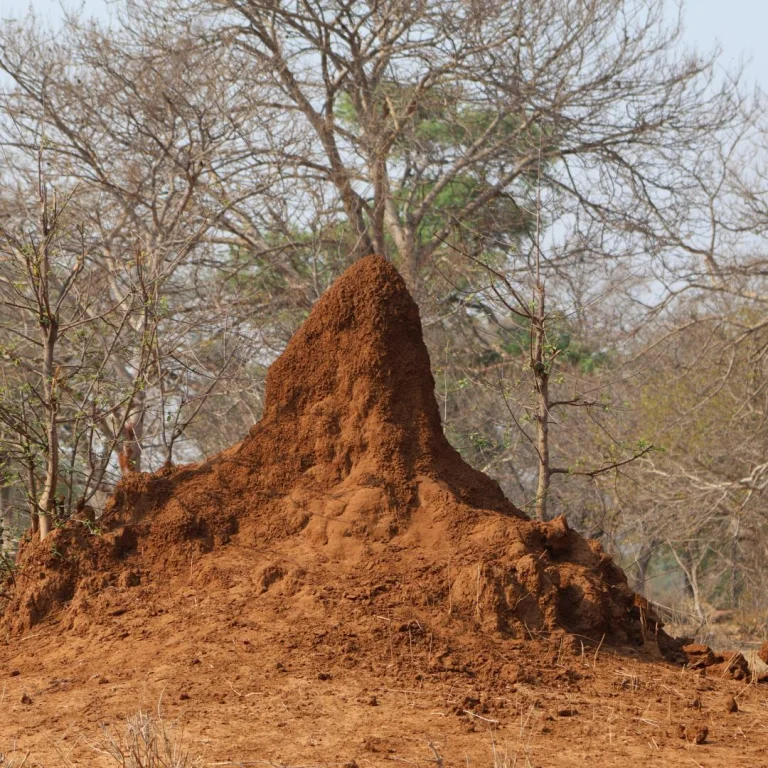
We discover why trees grow in the heart of a termite mound and that certain trees communicate with each other in case of elephant hunger, making their usually sweet leaves bitter!
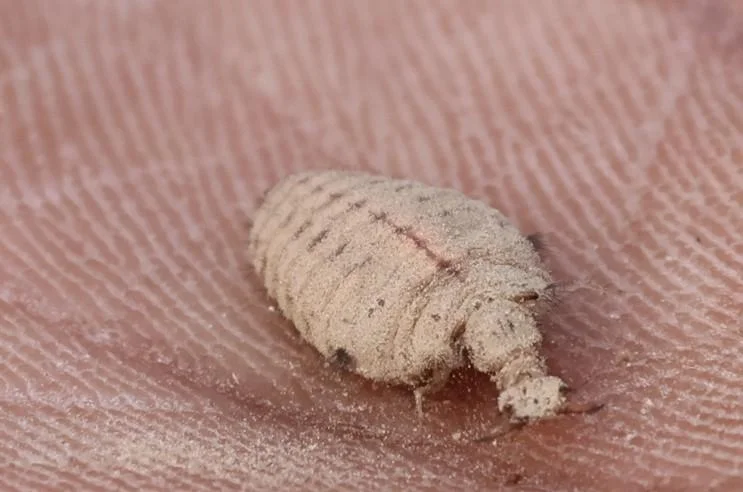
While we tend to look out for the "big five" of Africa, the guide also draws attention to the "little five" such as the antlion whose small holes in the sand indicate its presence.
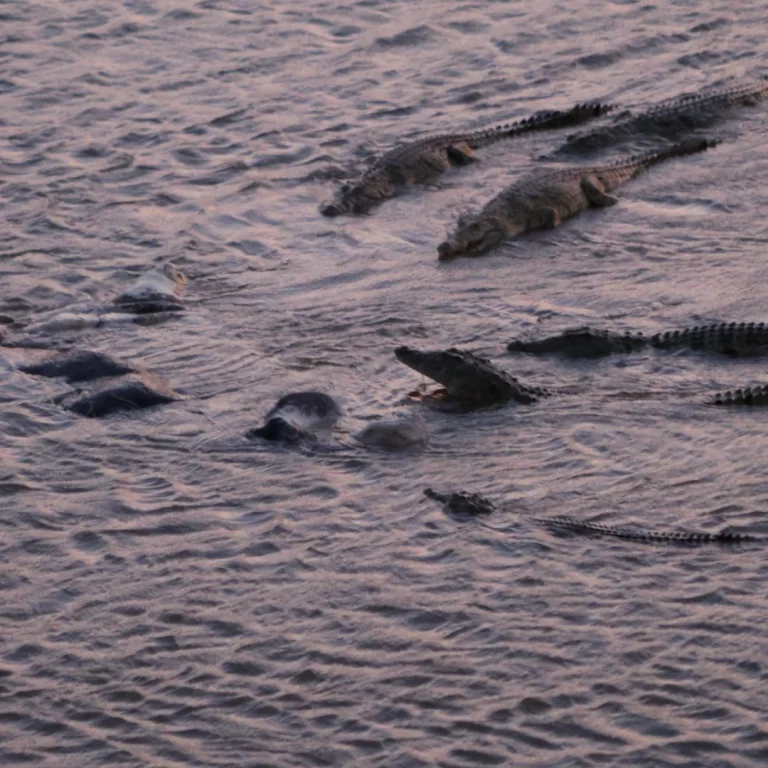
Sometimes you have to cross the river on very rudimentary ferries. Better not to think about crocodiles!
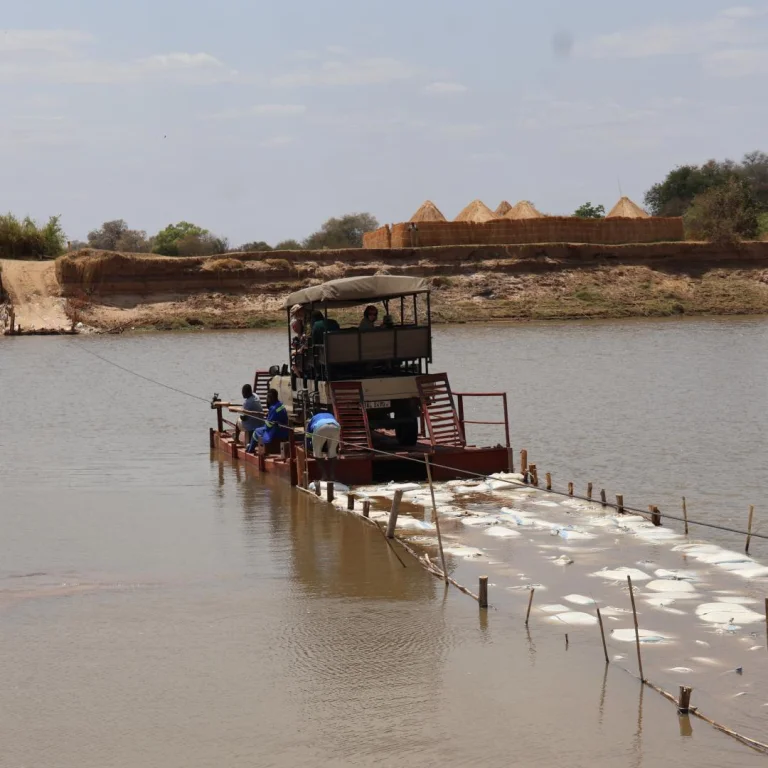
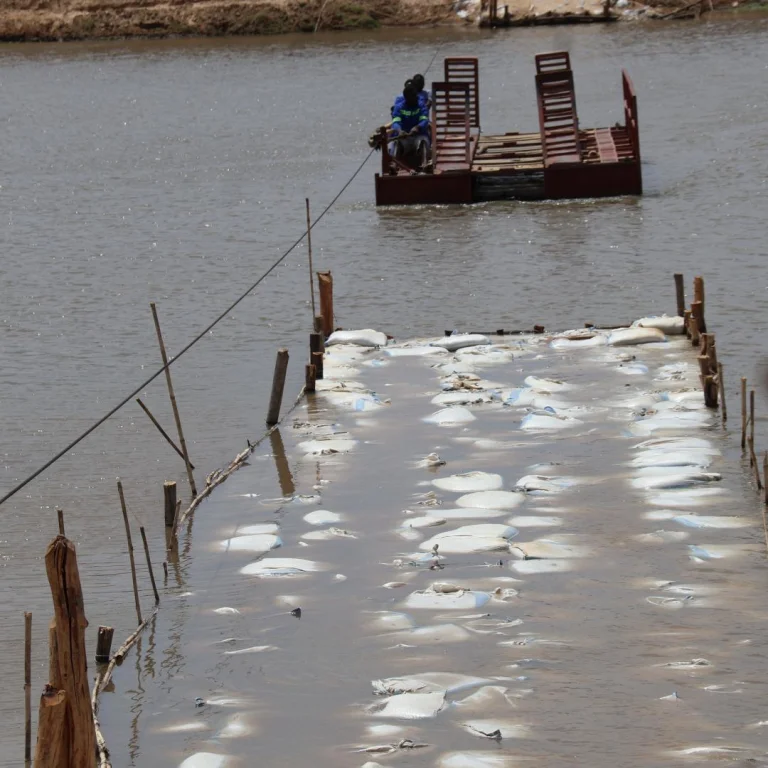
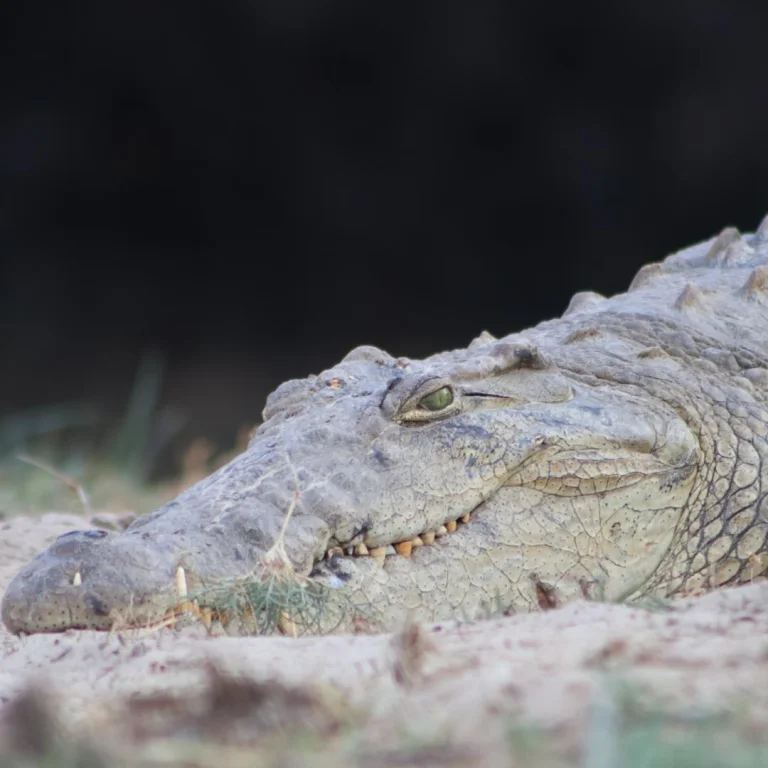
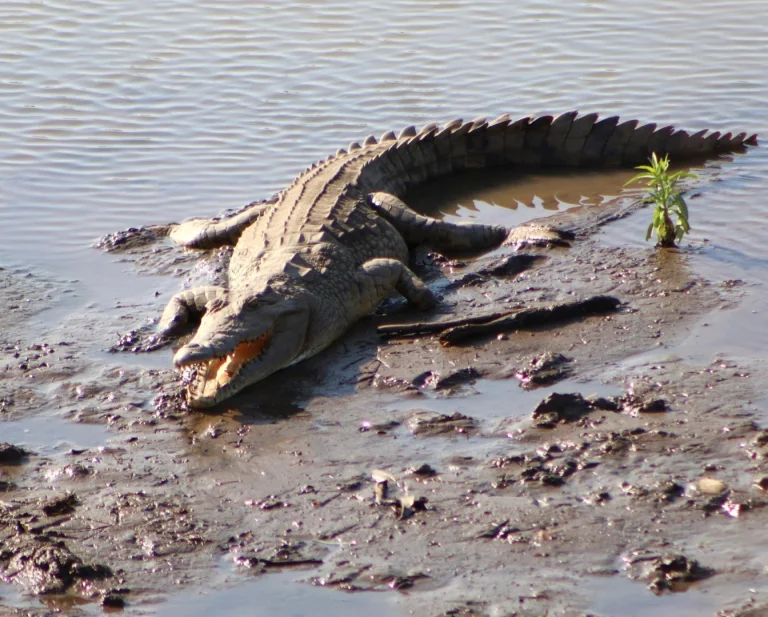
It’s another way to discover the country, an immersion as close as possible to this fascinating environment.
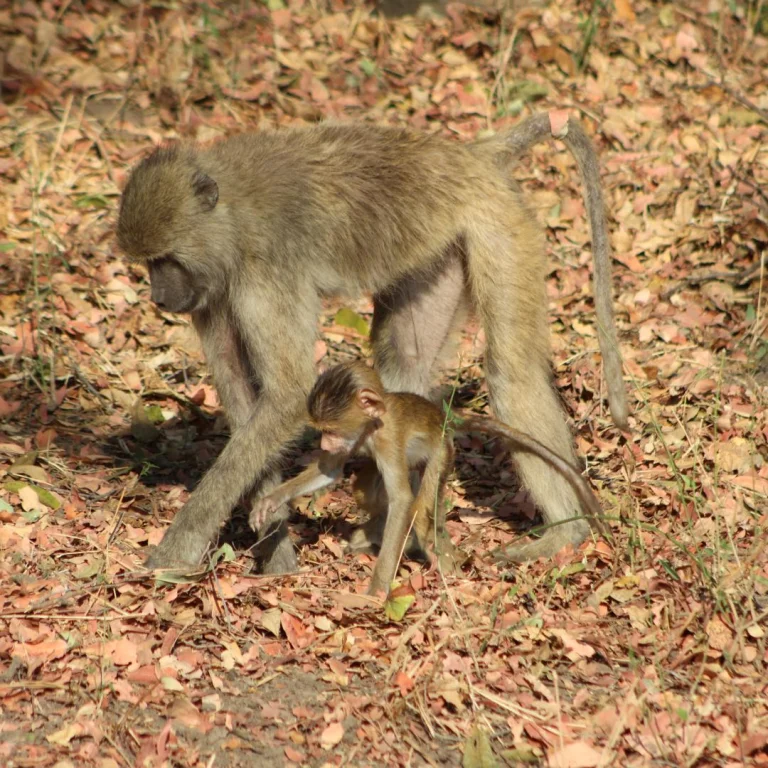
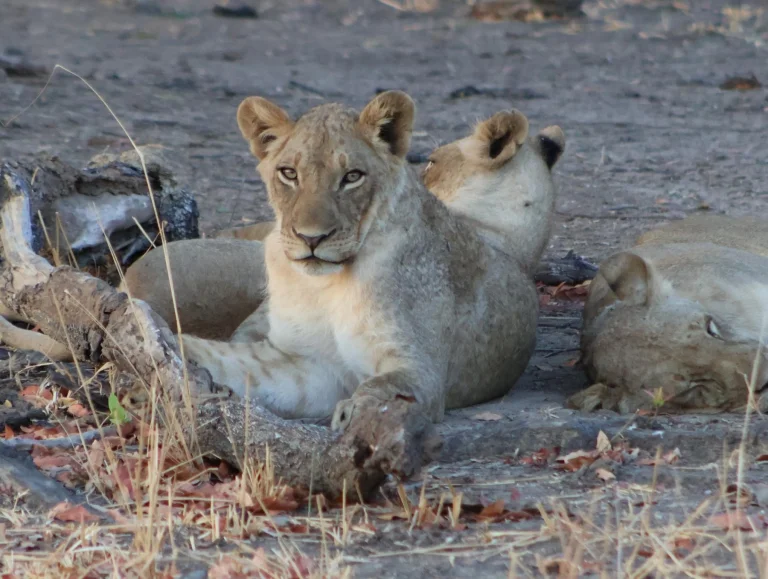
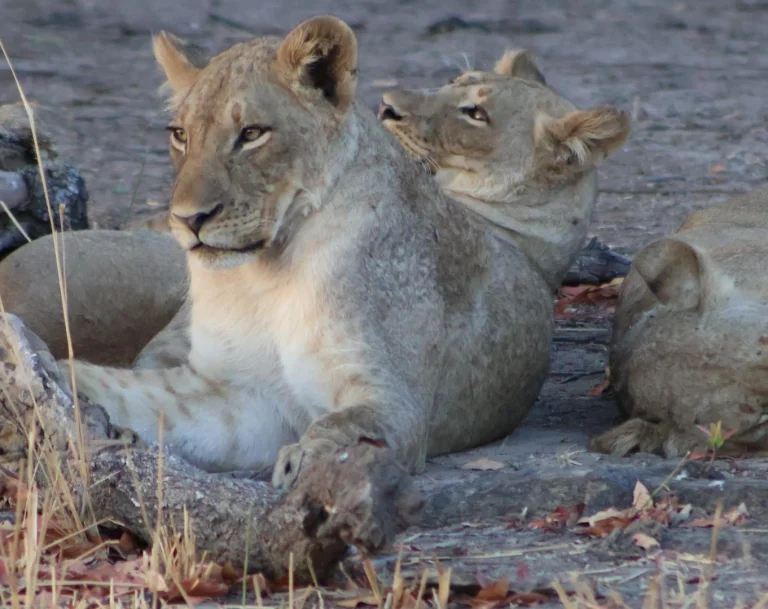
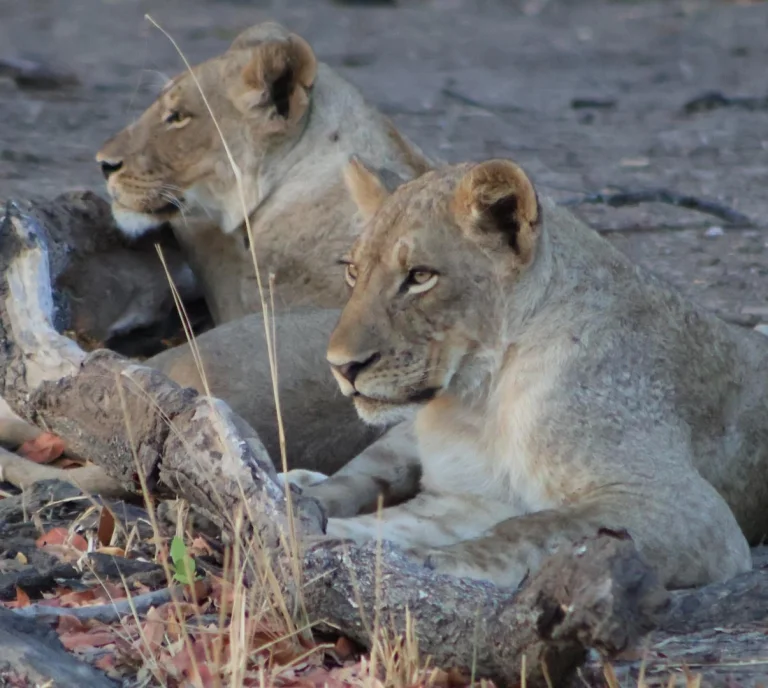
It is in the vast expanses of wild nature in the parks that one can also observe (with a bit of luck all the same) cheetahs, leopards, lions.
The smoke that roars
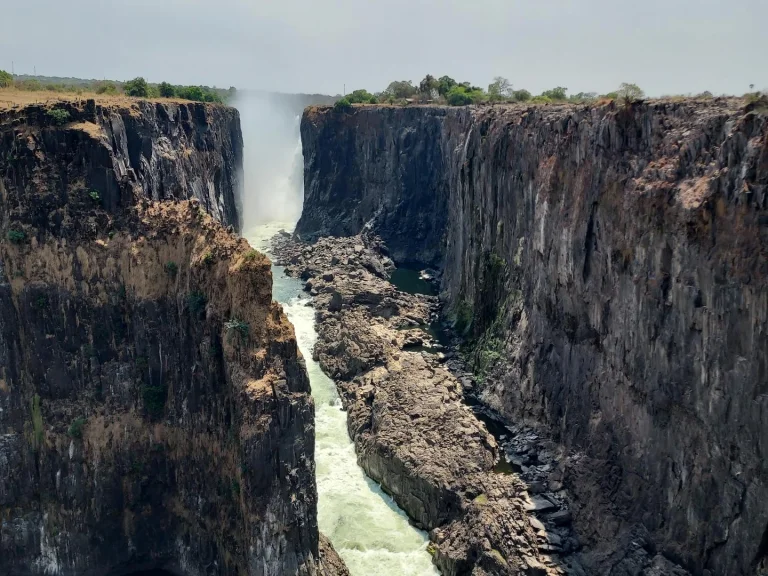
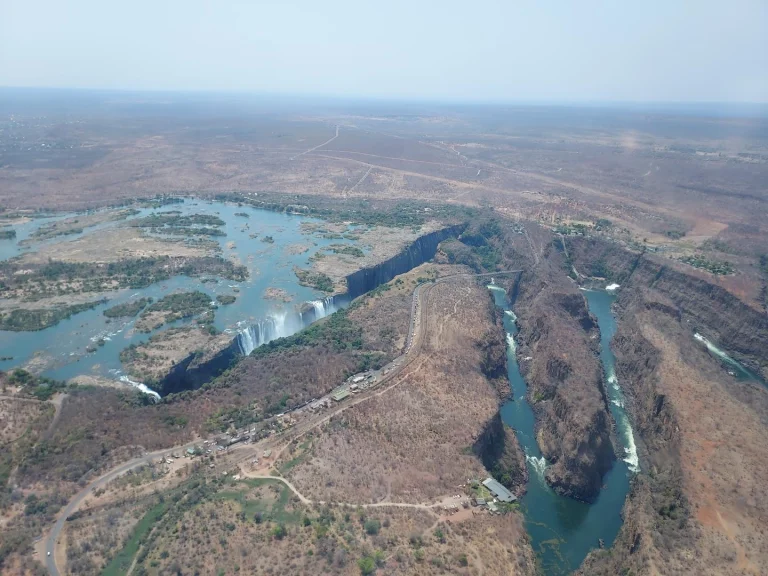
Zambia is also home to one of the seven natural wonders of the world, the Victoria Falls of Mosi-oa-Tunya near the small town of Livingstone. These falls are so beautiful, so powerful, that they are listed as a UNESCO World Heritage Site.
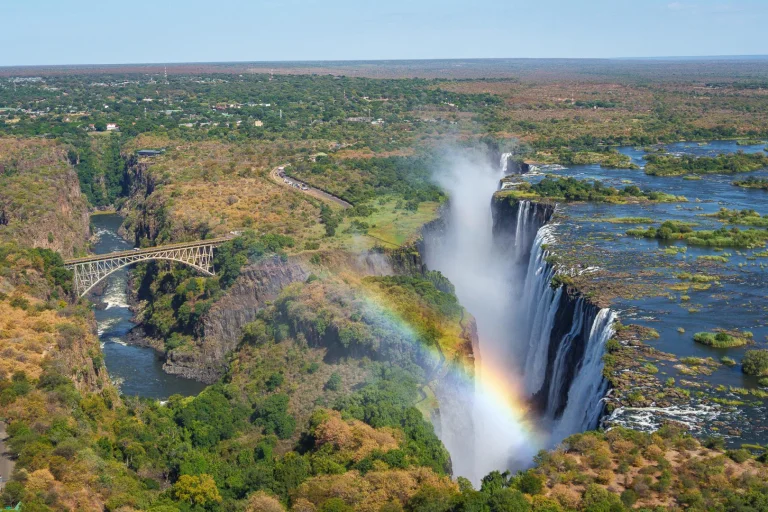
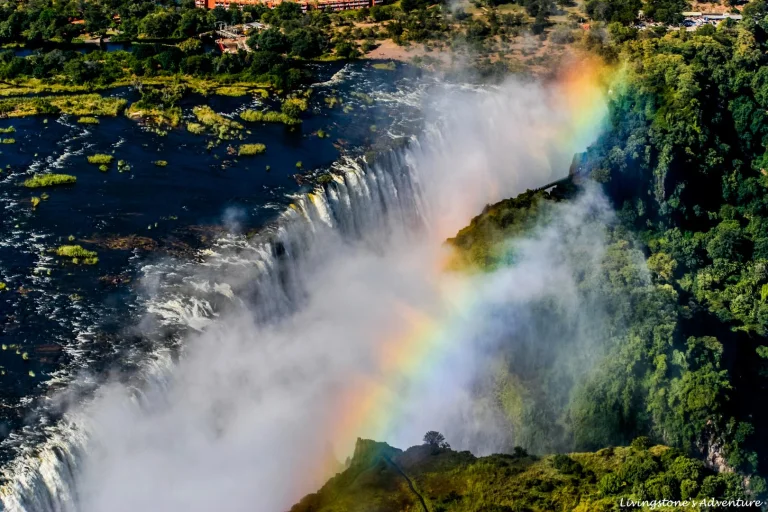
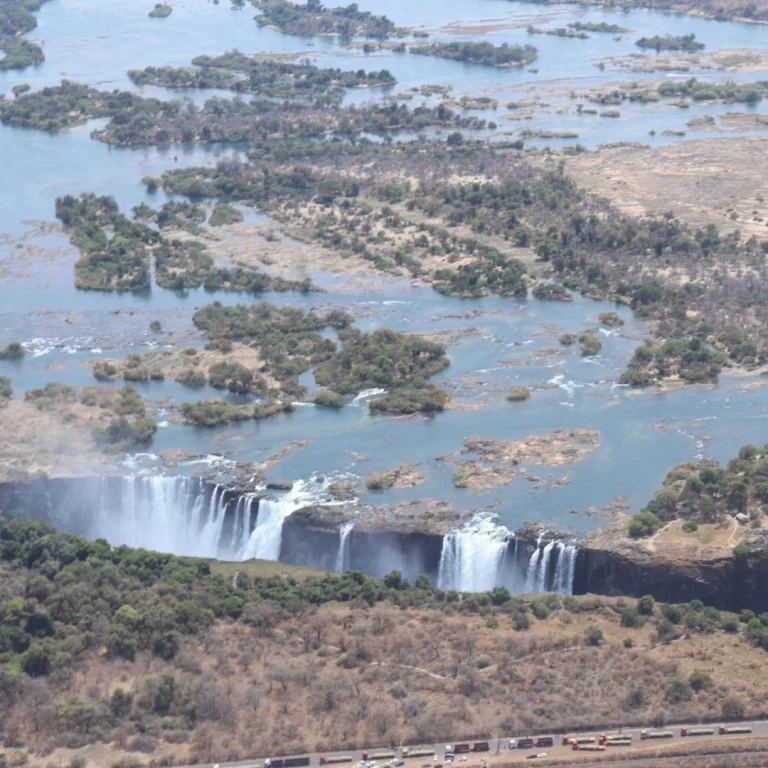
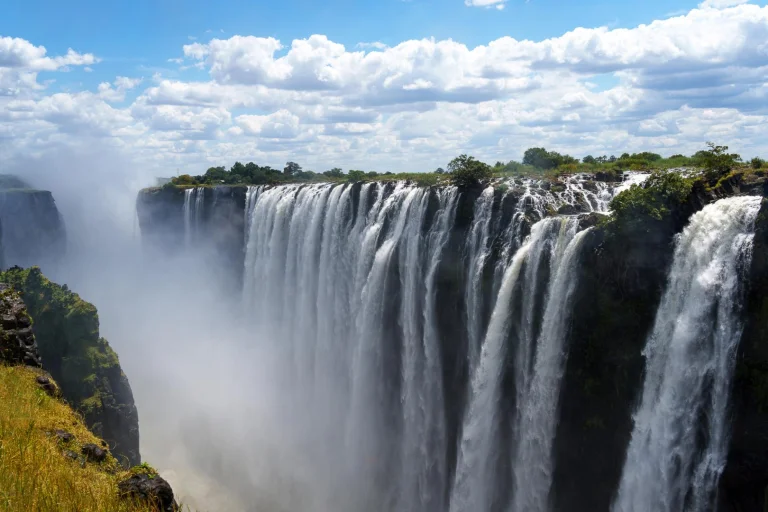
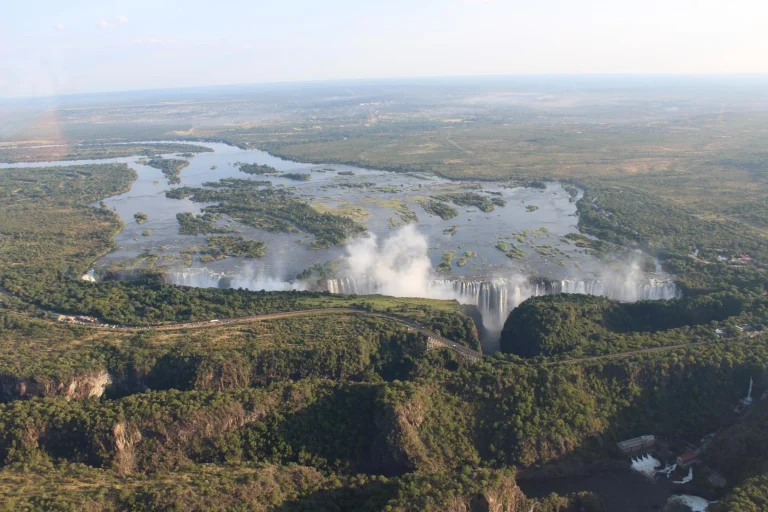
They stretch over a kilometre wide and flow into the Zambezi Gorge with incredible force, creating a fog that can be seen for miles around. This water mist, which creates rainbows, gave its name to the nearby Mosi oa Tunya National Park (‘the smoke that thunders’). While the helicopter flight is obviously impressive, the approach on foot along a trail is just as impressive!
Save and Develop
Thousands of people are committed to protecting wildlife by fighting against poachers and seeking solutions to ensure cohabitation between humans and animals. Elephants, for example, like to raid vegetable gardens and cultivated fields.
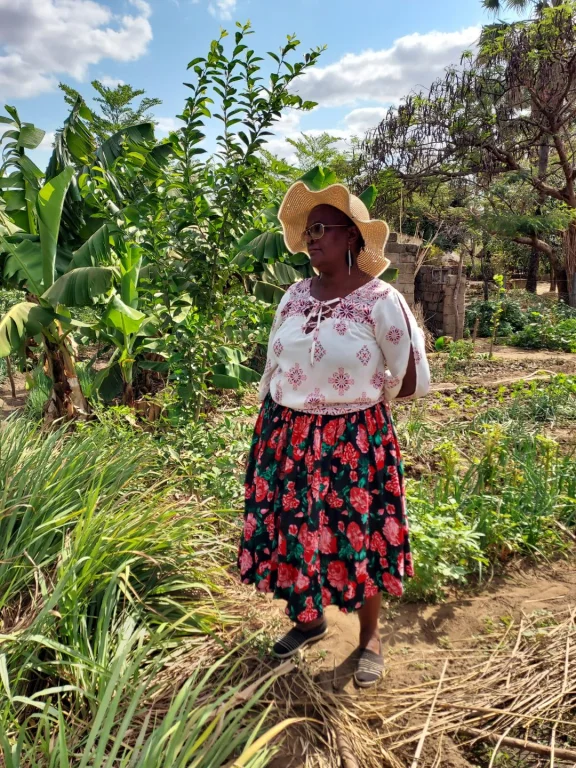
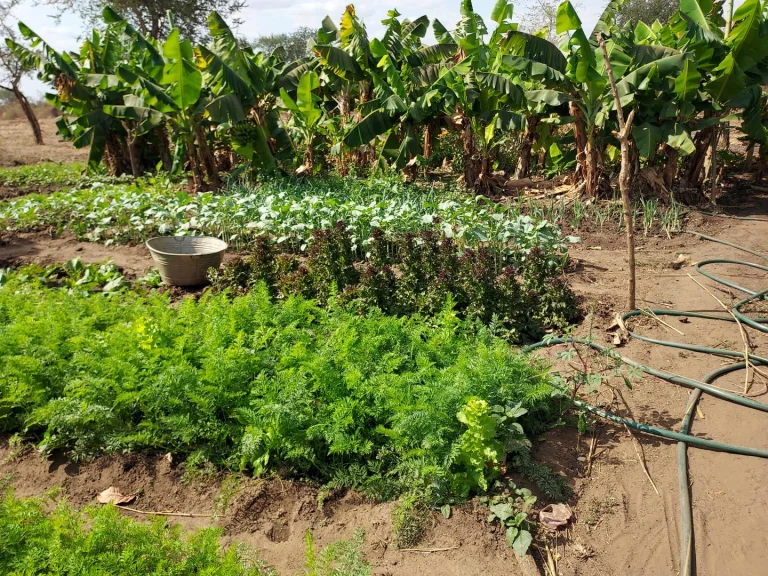
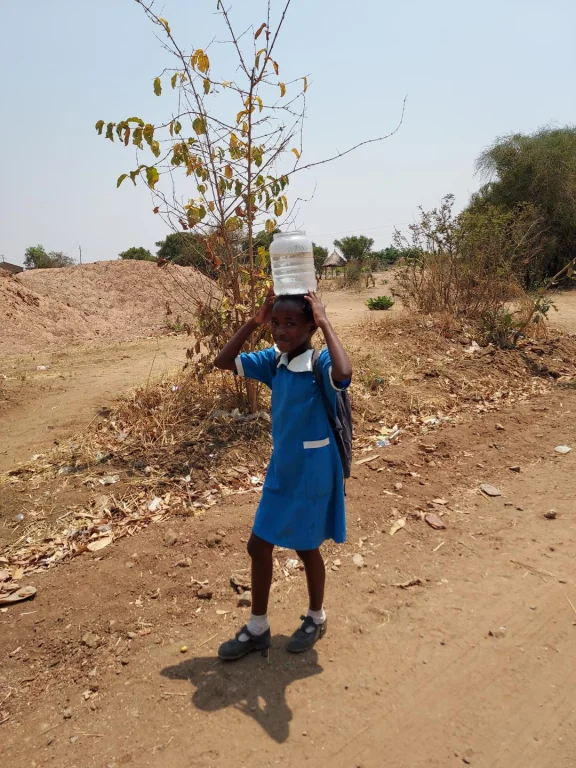
Associations work with children in schools to raise awareness of the importance of conserving flora and fauna.
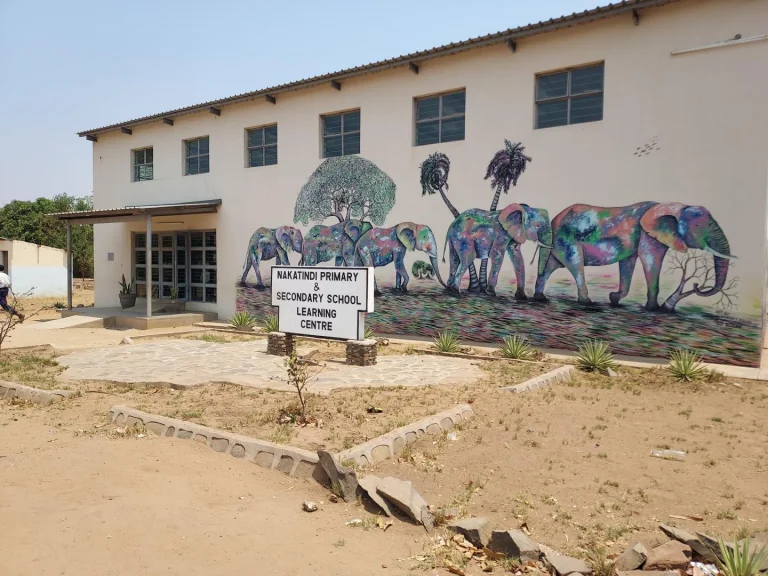

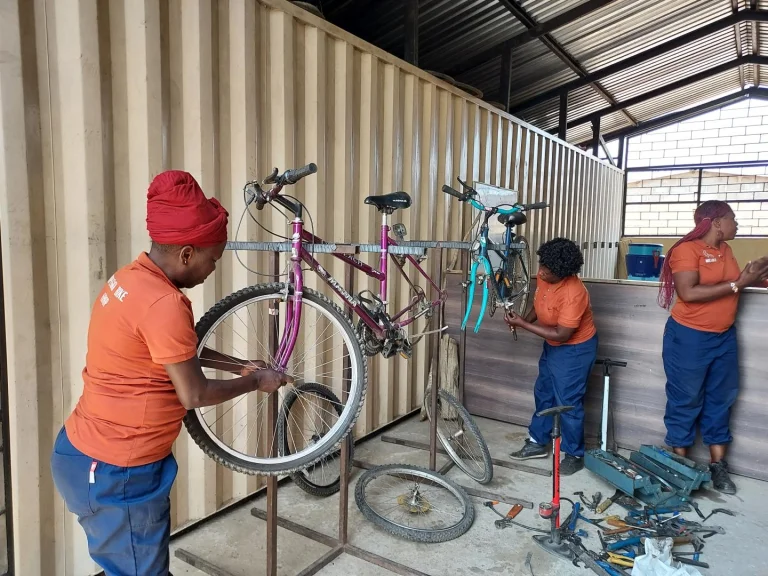
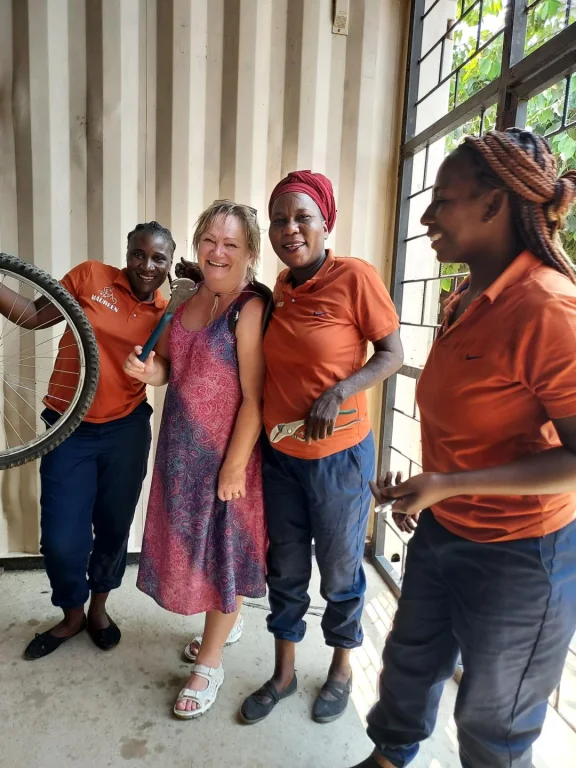
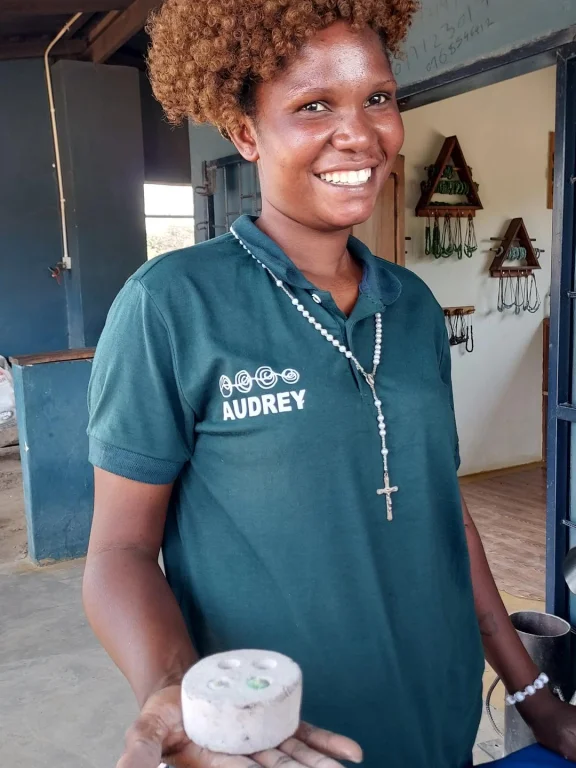
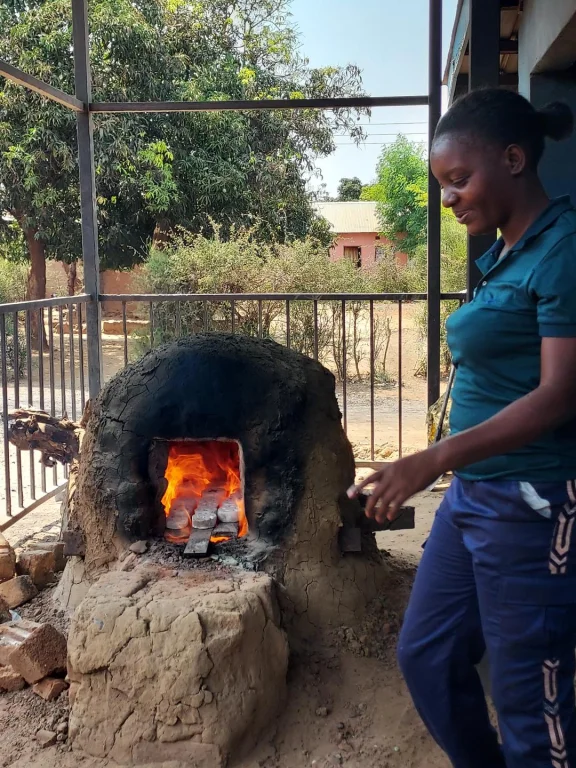
Foundations, often supported by lodges, help communities, allowing villagers to learn a trade, to live from their work. They build schools and health centers. Young women run a workshop reconditioning second-hand bicycles from the United States, others make glass beads from bottles.

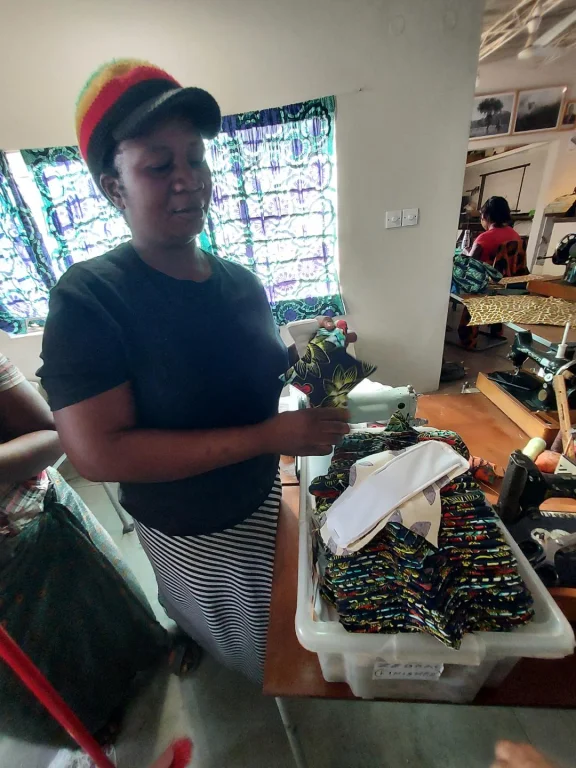
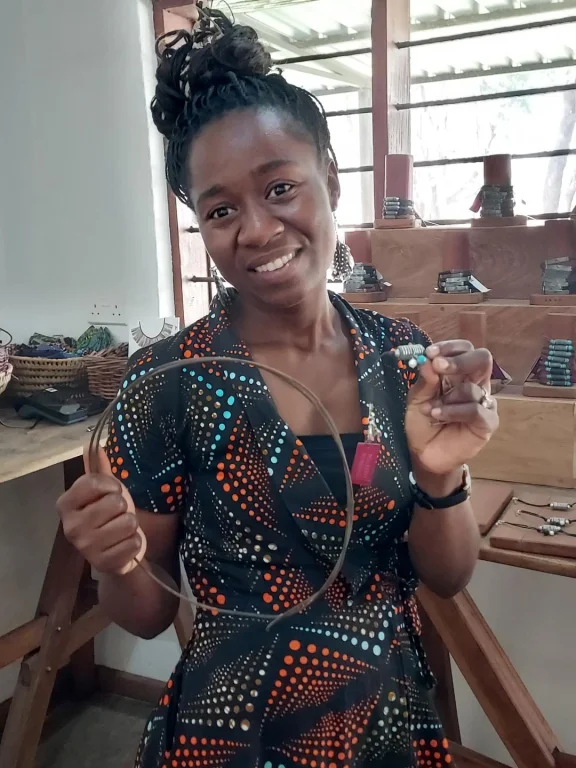
A collective of about ten women cultivates a vegetable garden supplying the lodges with vegetables. Artists make jewelry from poaching snares, a sewing workshop makes washable sanitary protections allowing young girls to lead a normal life.

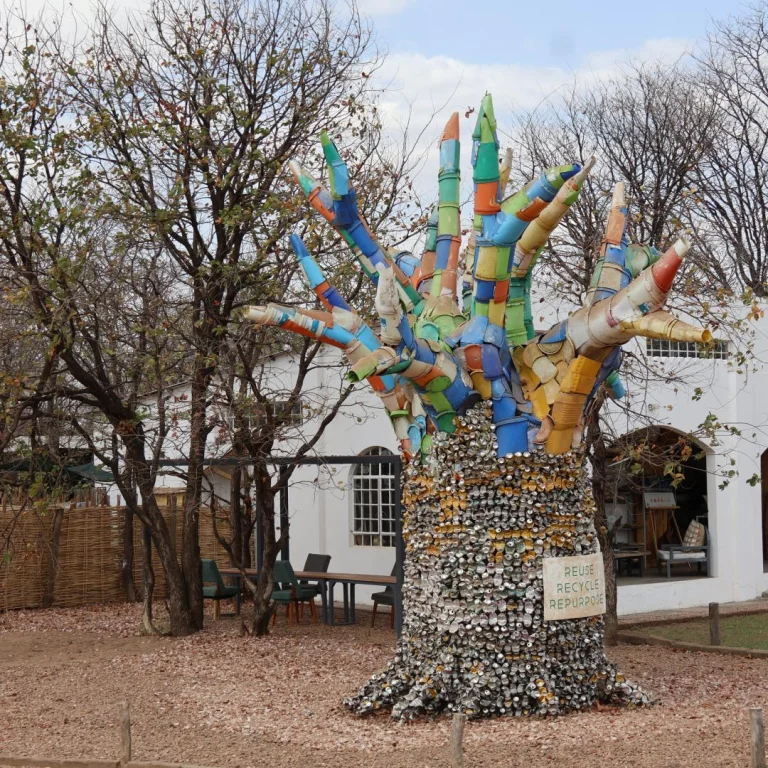
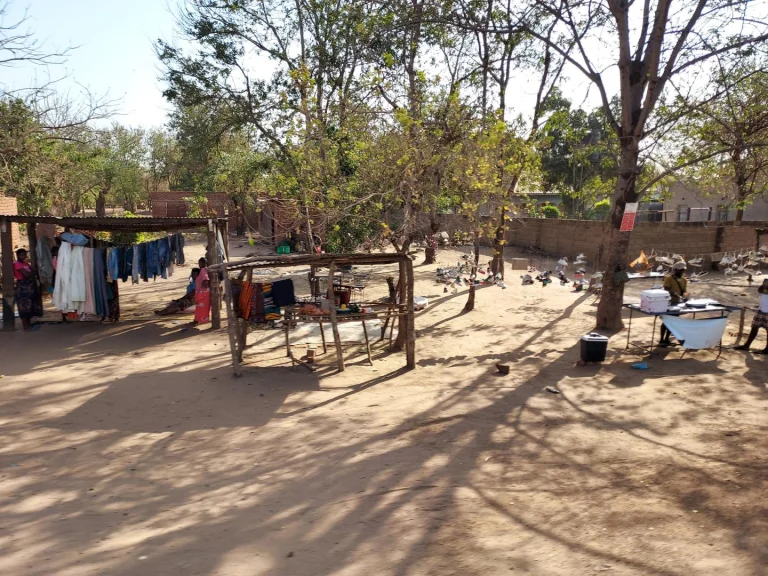
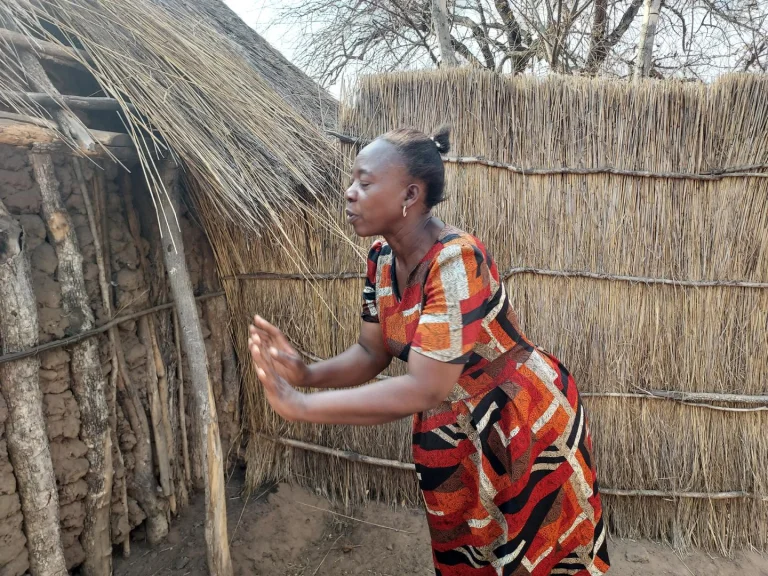
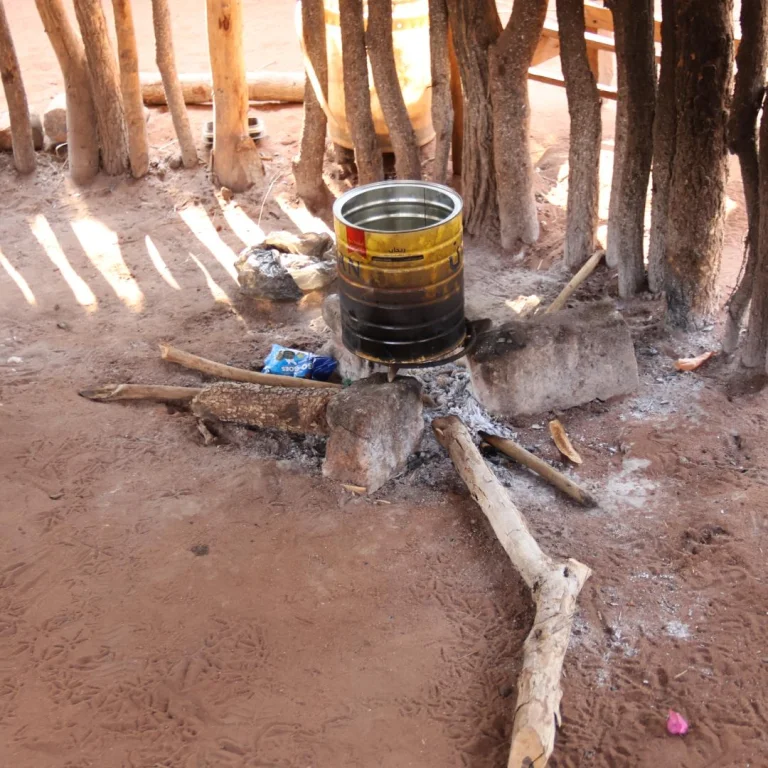
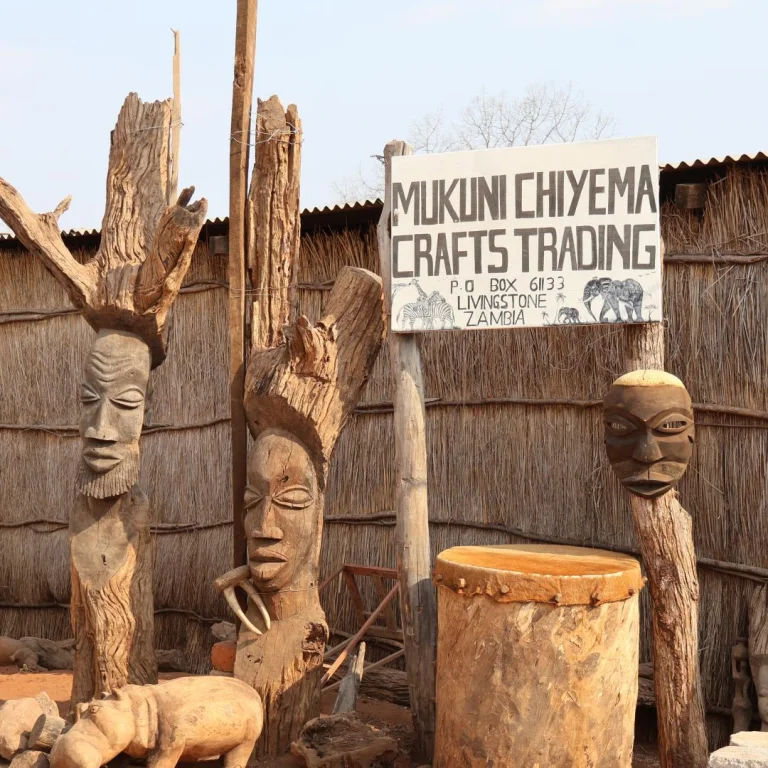
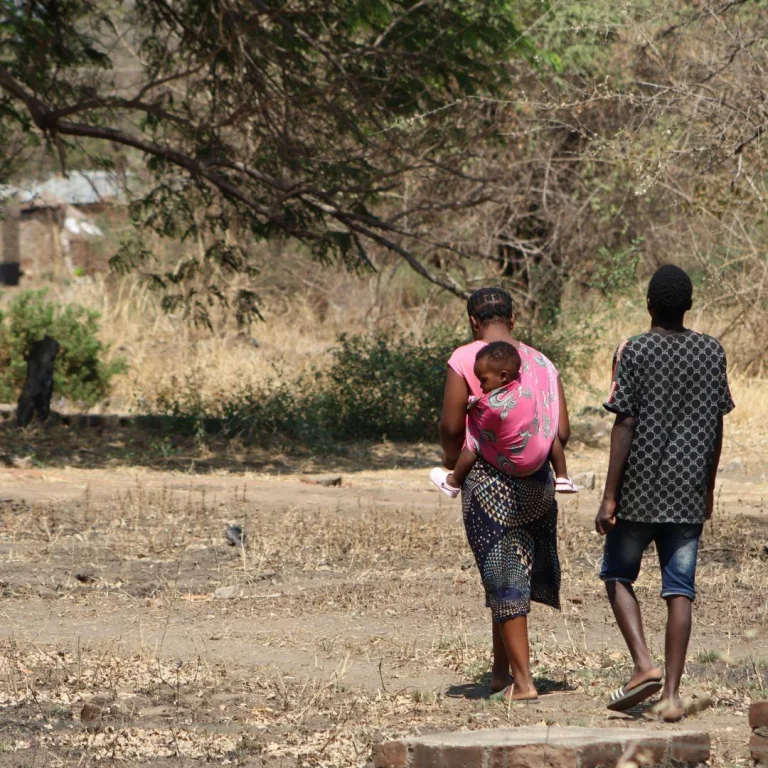
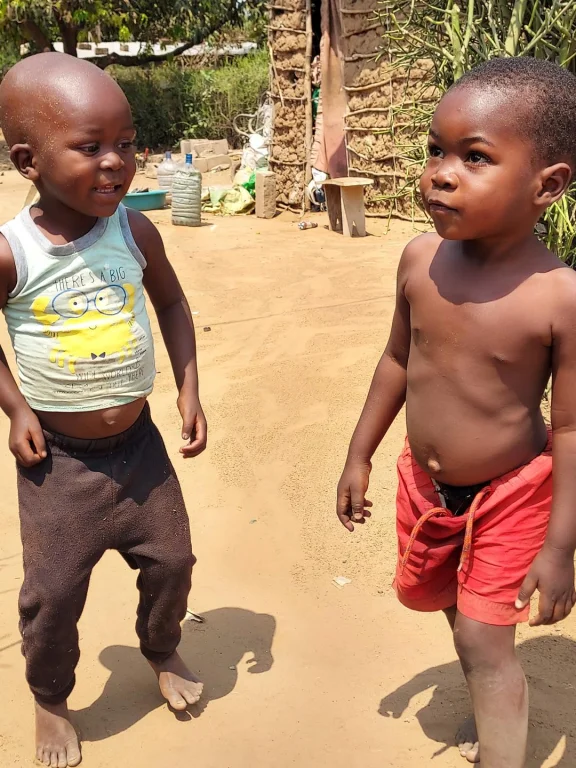
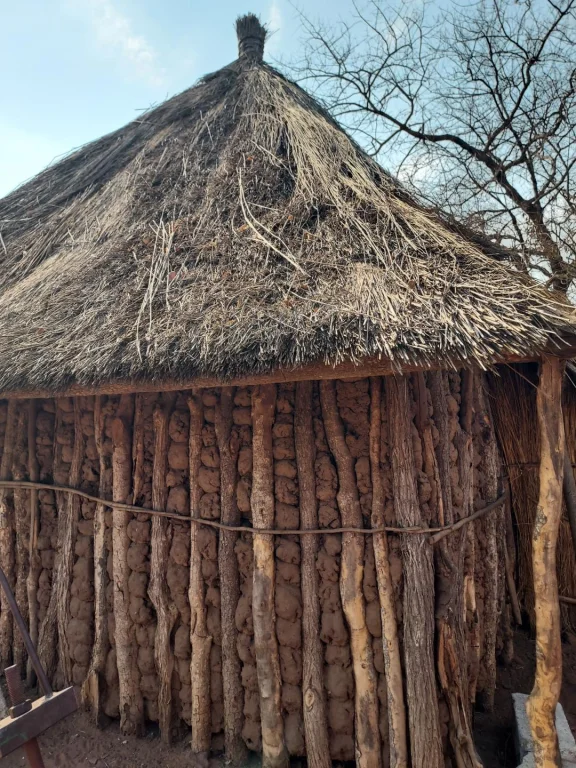
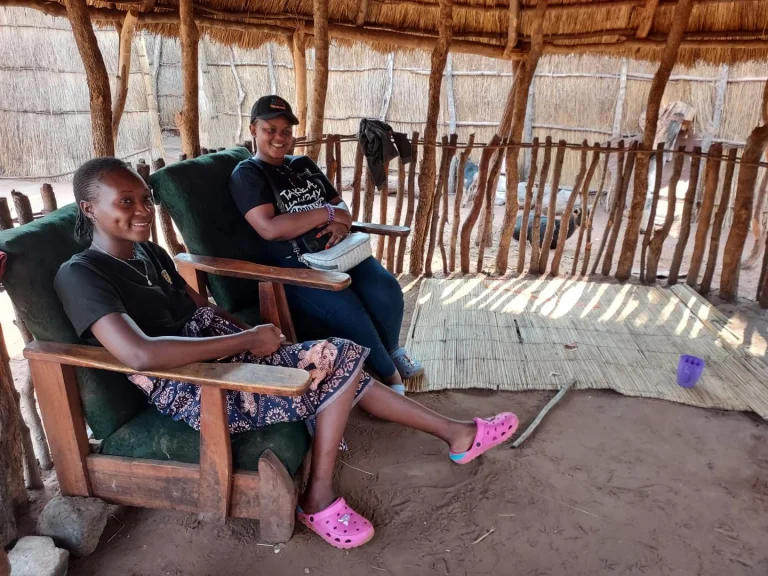
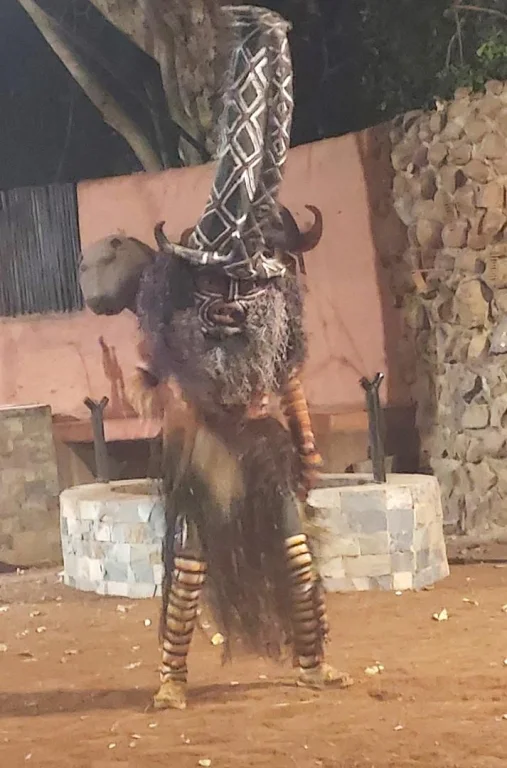
Talking to the curious and infectiously laughing villagers - discussion is easy since the official language is English - is pure pleasure. Organized village visits allow you to discover the living conditions of the inhabitants, who are proud to show off their primitive huts. Young people perpetuate traditions, demonstrate their tribe's dances, and craftsmen offer their creations.
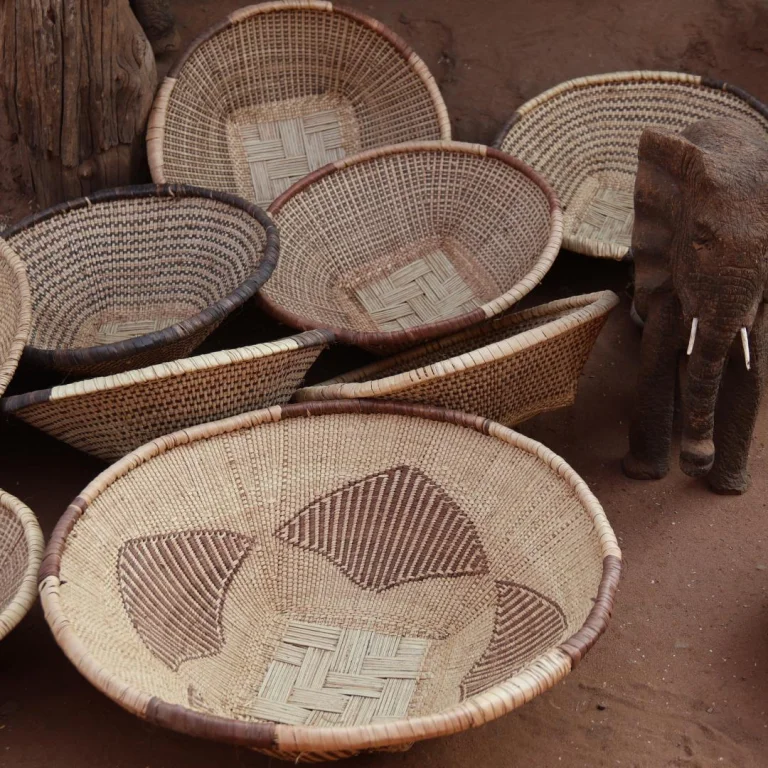
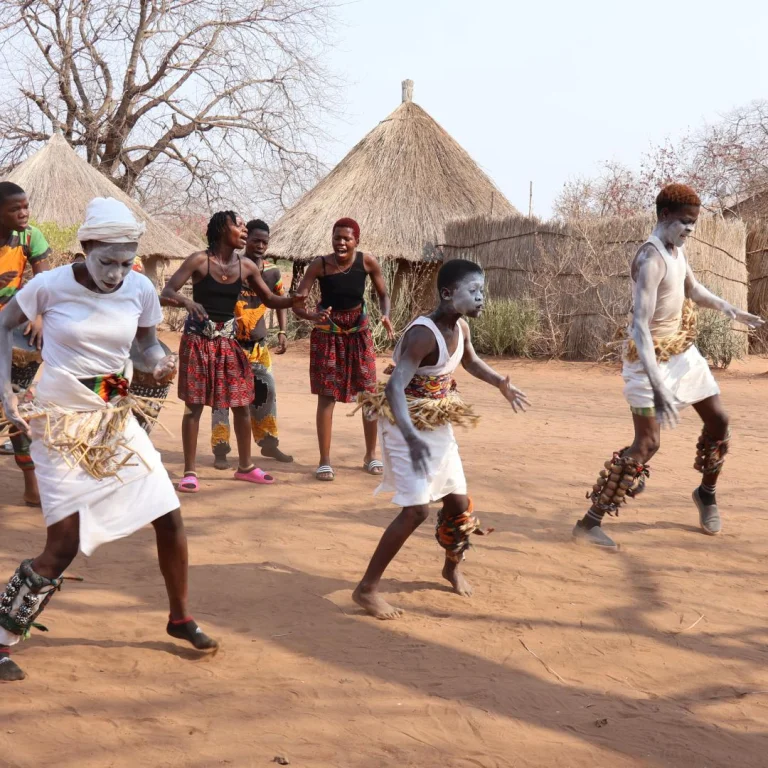
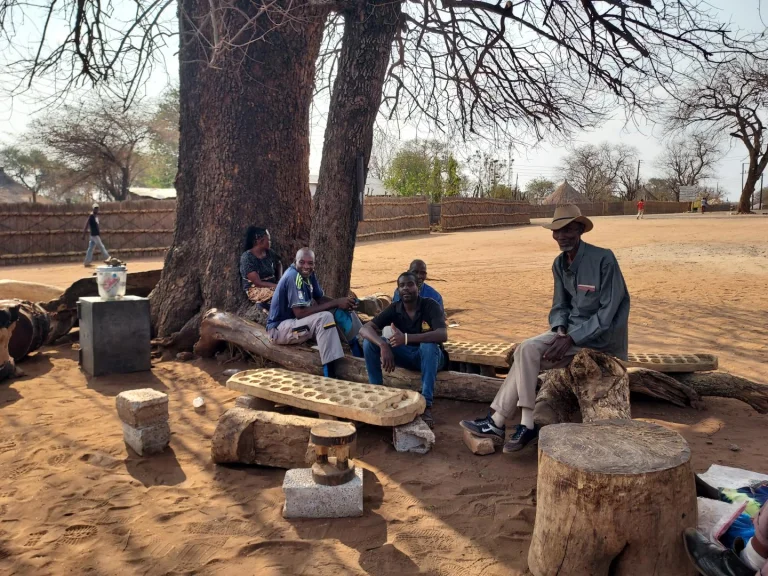
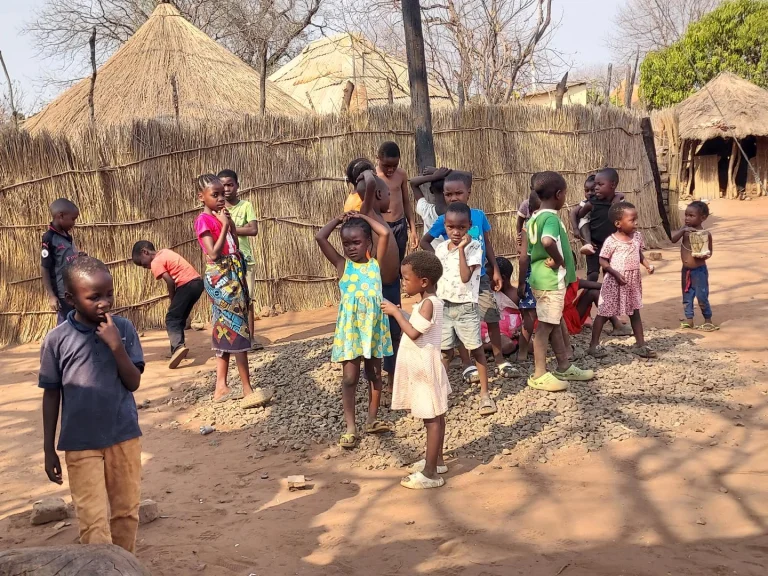
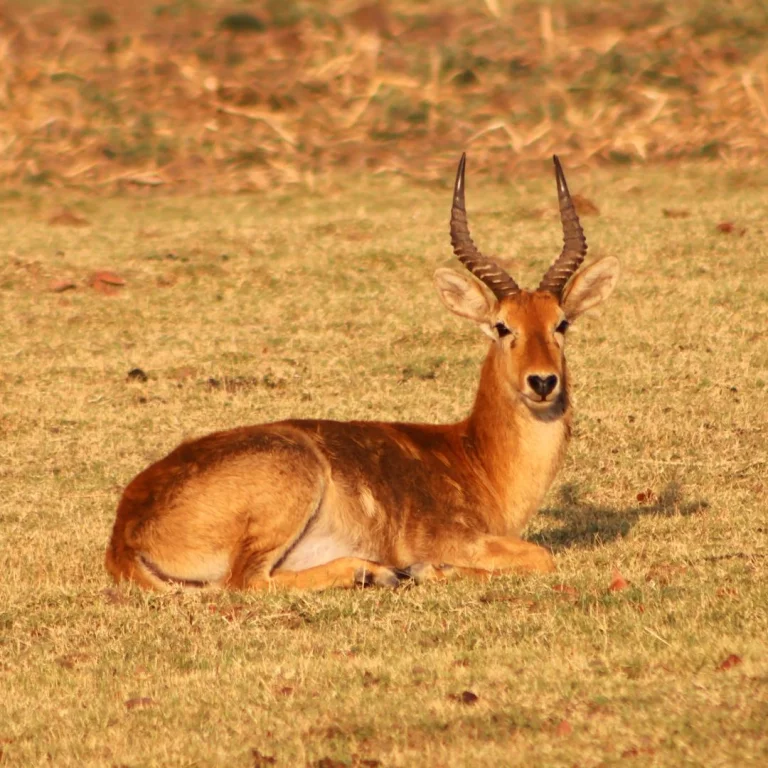
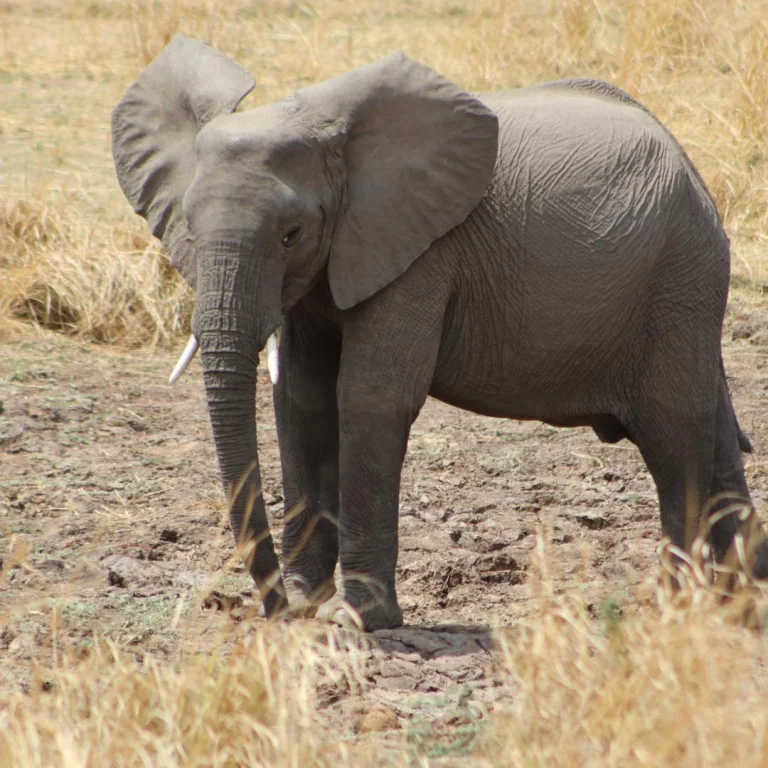
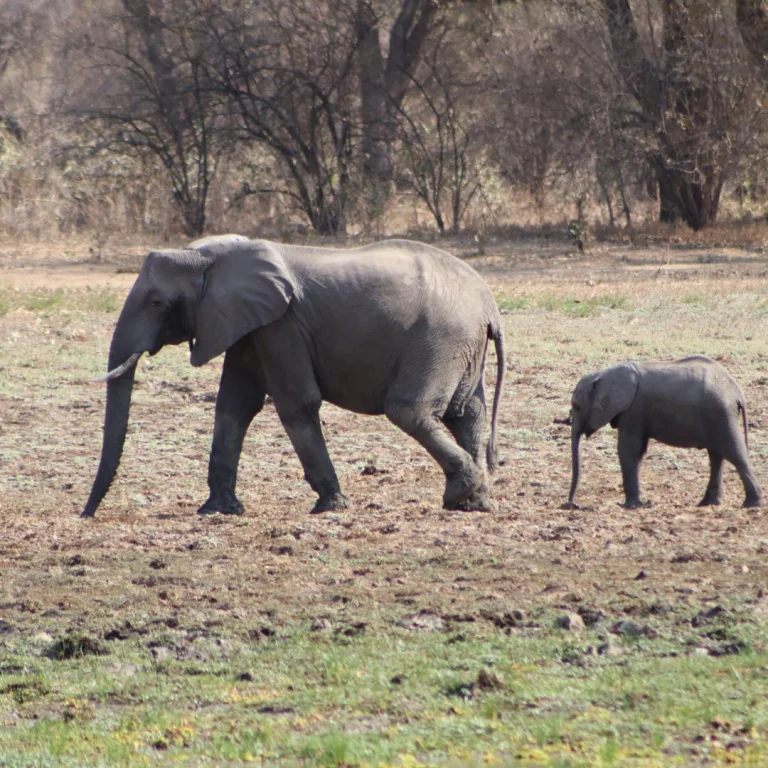
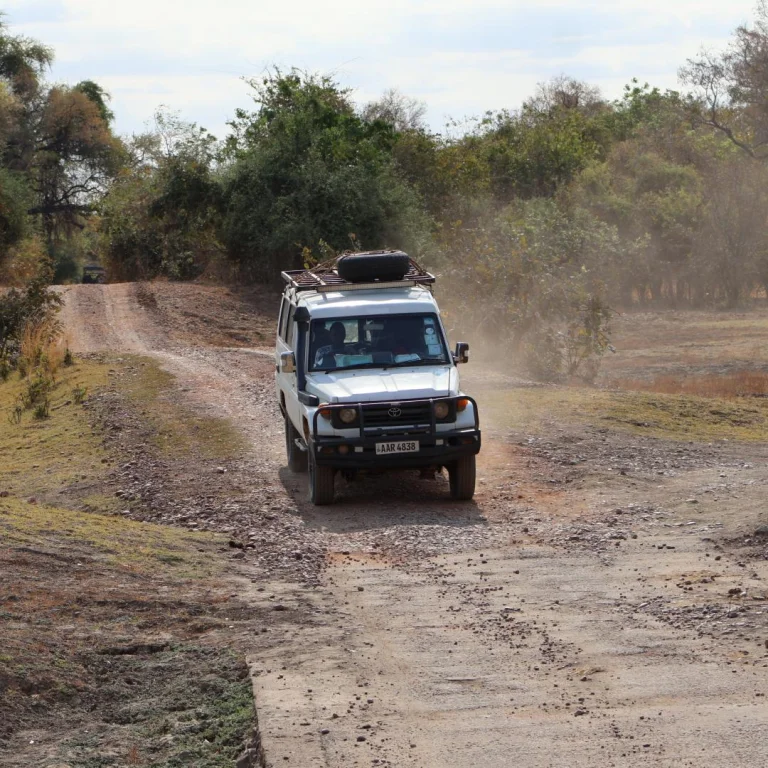
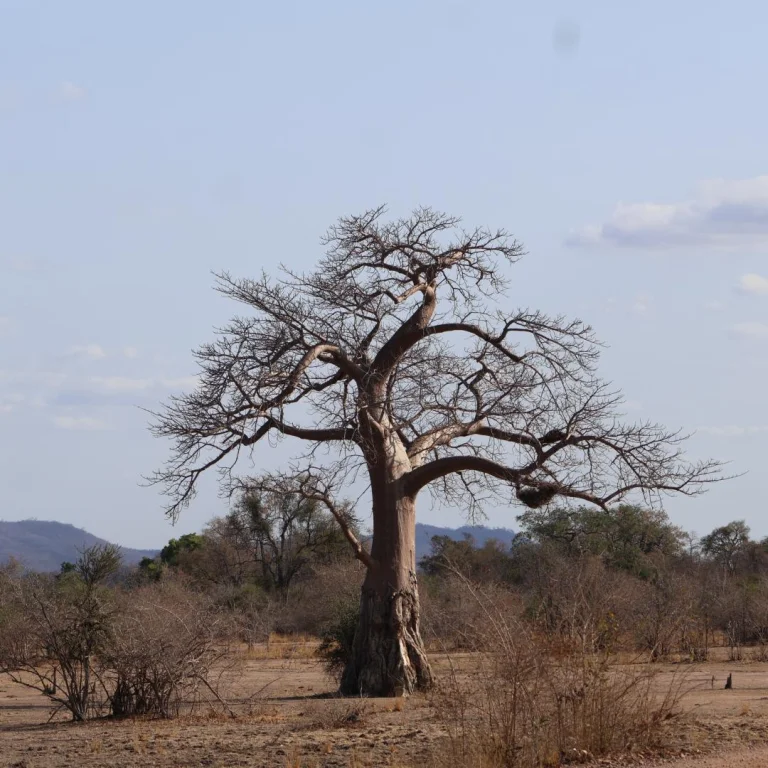
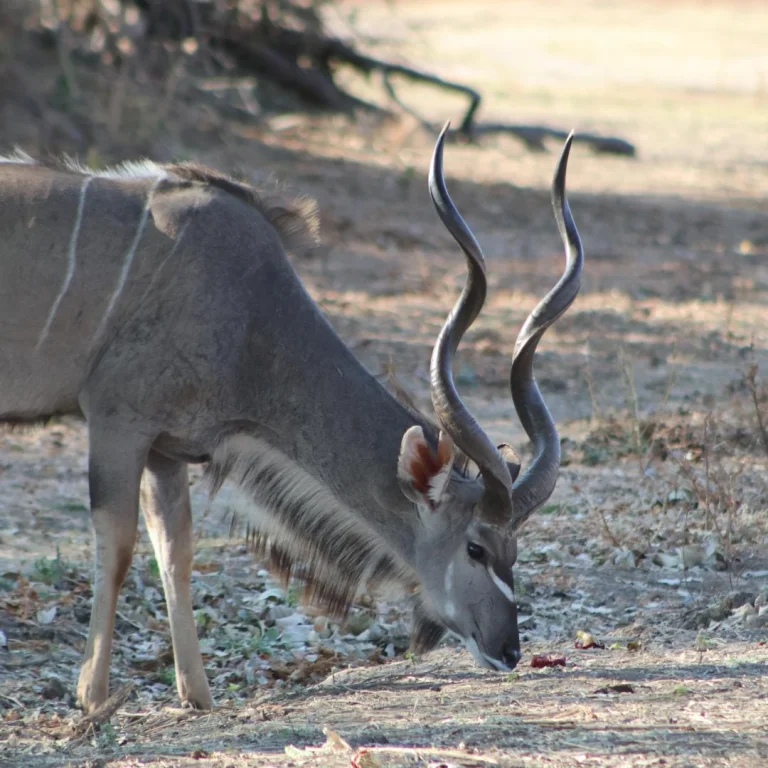
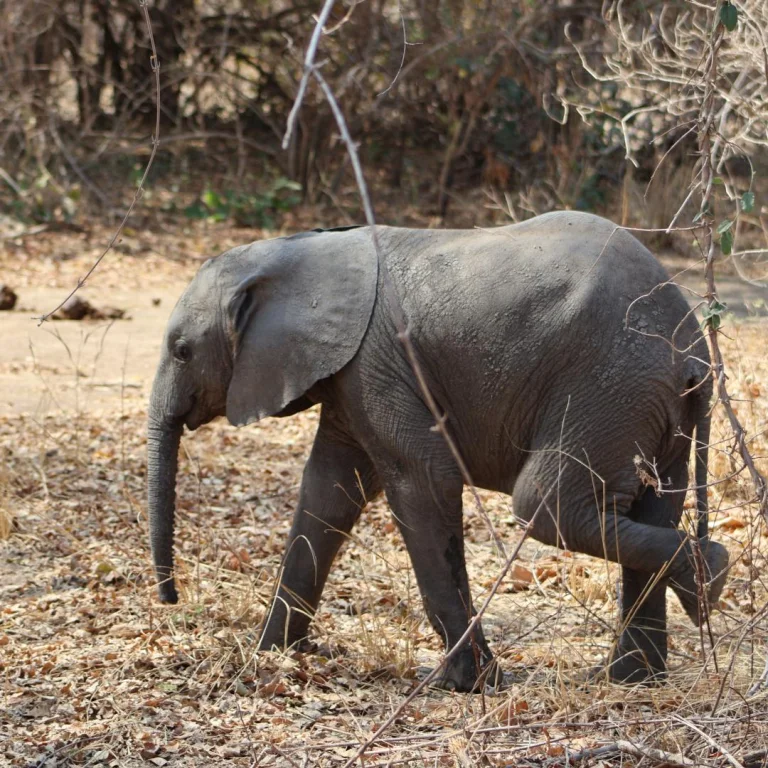
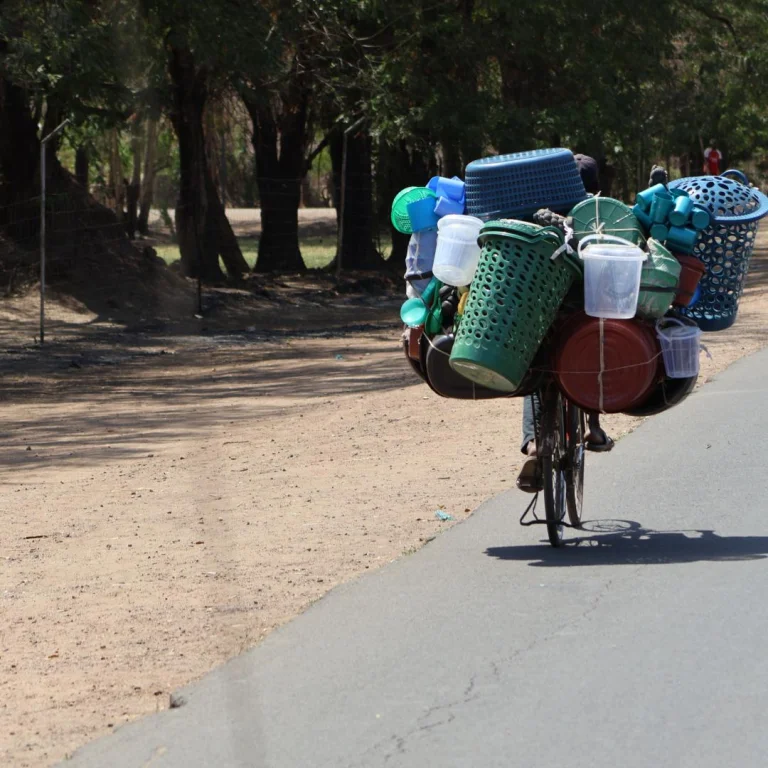
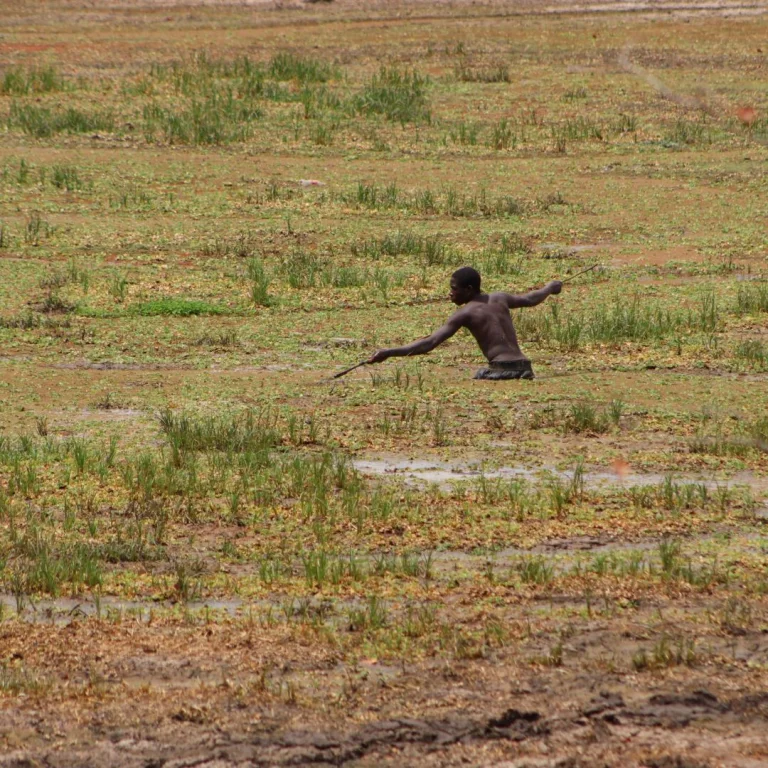
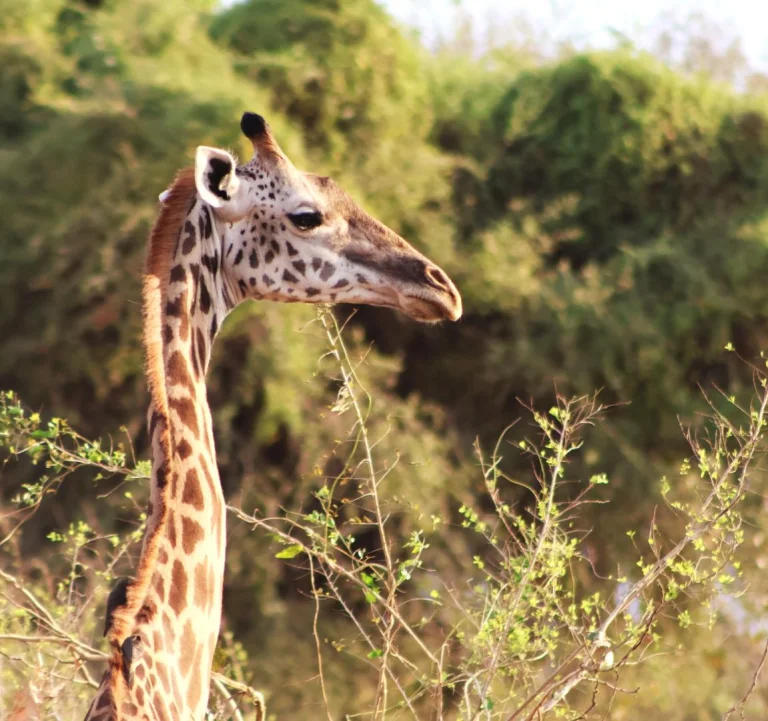
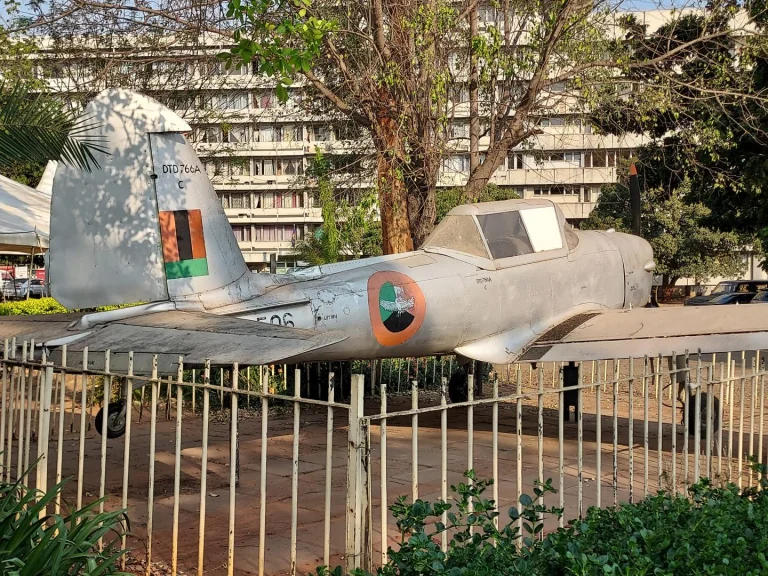
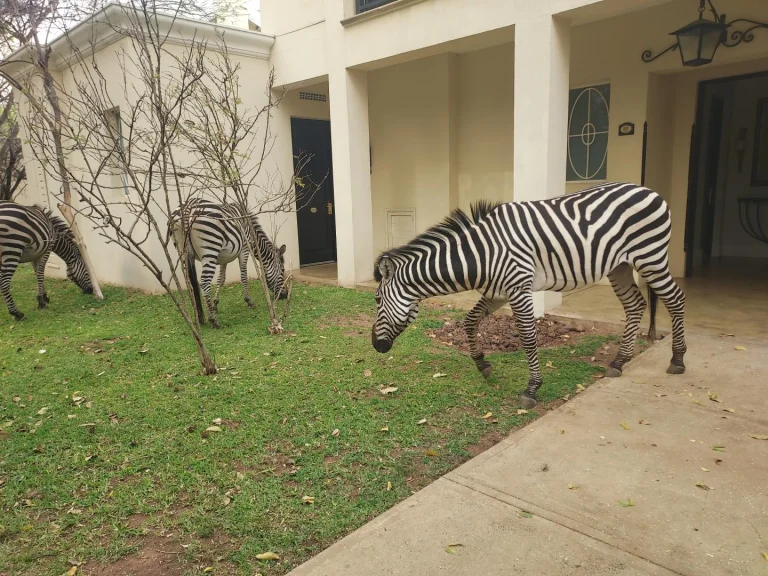
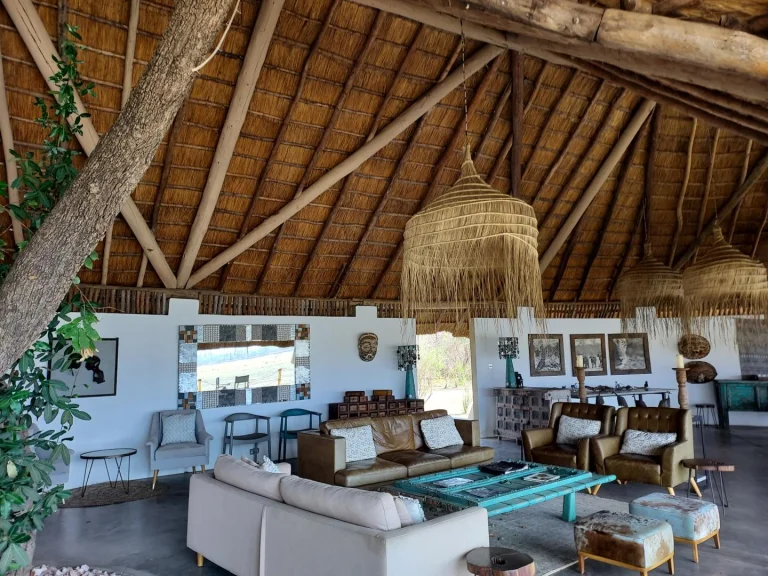
And to extend the journey, a few more photos.

Practical information
Go there
With Kenya Airlines to Nairobi, then Lusaka. 3 flights/week from Paris/CDG (11h55) 5 flights/week for the return from €906.02 incl. VAT;
https://www.kenya-airways.com/fr_fr/
When to go
Best time: May to October during the dry season for safaris, as animals come to the watering holes. The less dense vegetation makes it easier to observe them.
During the rainy season, from November to April, for the lush vegetation; from February to May for the Victoria Falls.
Formalities
Passport with at least two blank pages.
Possibility of obtaining a tourist visa on arrival for French nationals and a stay of less than 90 days.
Registration recommended on the France Diplomatie breadcrumb service https://fildariane.diplomatie.gouv.fr/fildariane-internet/accueil
Payment methods
Zambian banknotes are in denominations of 2, 5, 10, 20, 50 and 100 kwacha. There are also coins in denominations of 5, 10, 50 ngwee (the ngwee being the subdivision of the kwacha) and 1 kwacha. This is the main currency used.
To lodge
Sanctuary Sussi https://sanctuaryretreats.com/safaris/zambia/sanctuary-sussi-chuma/
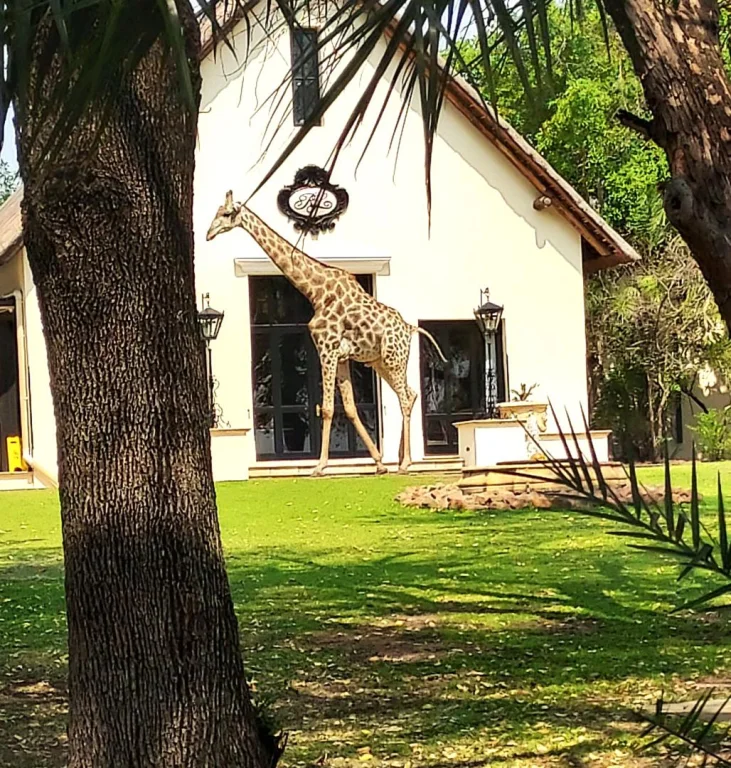
The Royal Livingstone by Anantara, on the banks of the Zambezi. In the vast park and around the swimming pool, zebras, giraffes, antelopes, mongooses and other monkeys welcome tourists. A 10-minute walk away, the river flows into the chasm to form one of the seven natural wonders of the world, Victoria Falls.
https://www.anantara.com/en/royal-livingstone
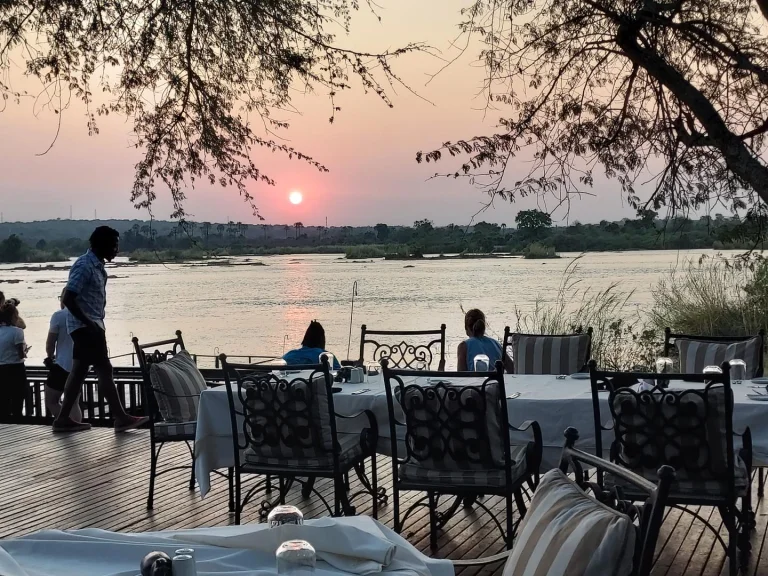
Kafunta River Lodges dans la plaine de la rivière Luangwa offre des vues impressionnantes sur la faune : des troupeaux d’éléphants, des hippopotames, des phacochères, des impalas…. https://kafuntasafaris.com/
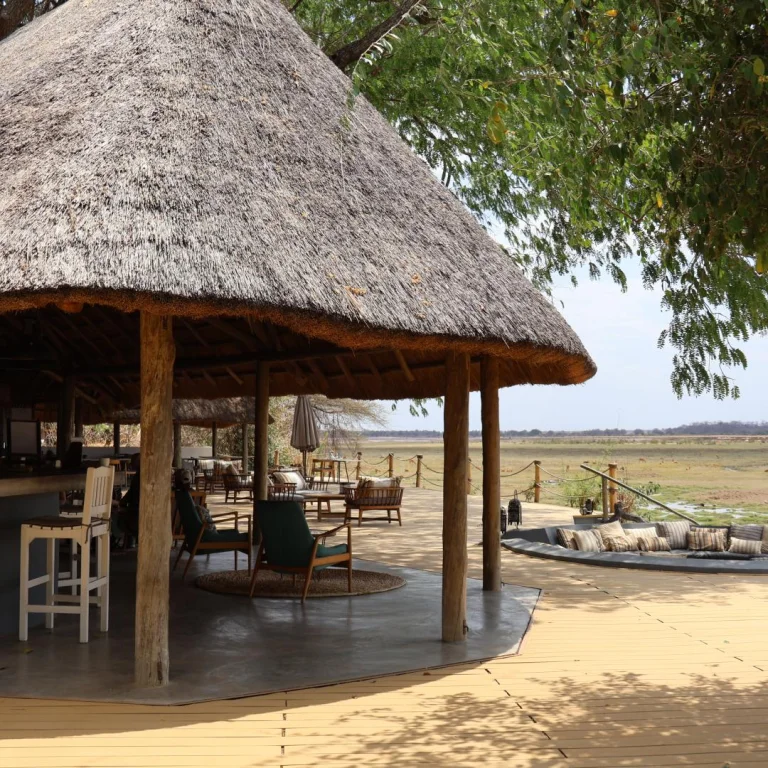
Puku Ridge, another luxury lodge in the heart of the wilderness. Here too, animals come to join the watering hole. Seeing a buffalo pass by, or elephants, while taking a shower, is an unforgettable experience! https://www.chiawa.com/south-luangwa-safari-lodge-puku-ridge/
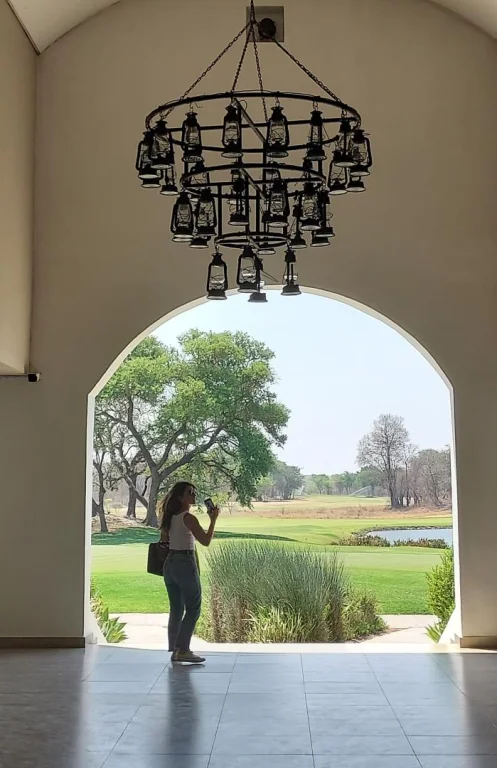
Ciêla Resort & Spa à Lusaka, for golf lovers.
https://cielaresort.com/explore/
Activities
Visit the museum in Livingstone which tells the history and culture of Zambia since prehistoric times through numerous collections, giving pride of place to David Livingstone, the famous Scottish explorer.
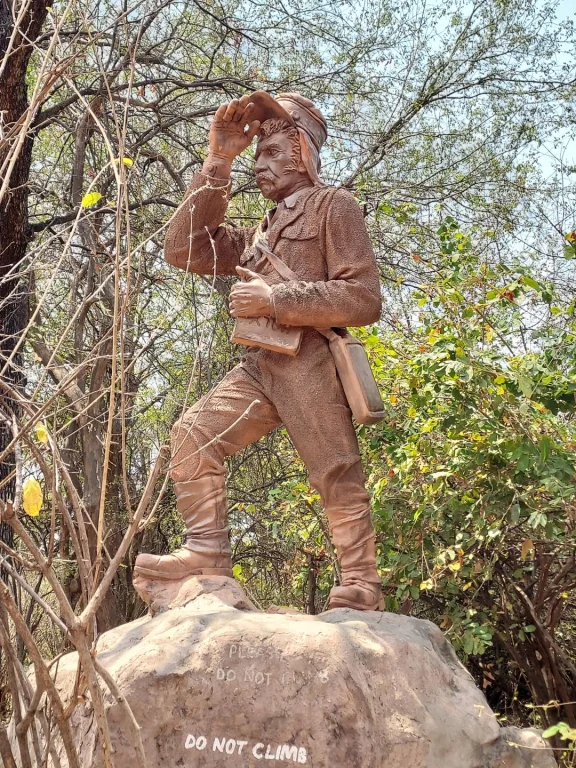
Immerse yourself in the traditional life of the Leya people in the village of Mukuni, near Victoria Falls, with its crafts, customs and gastronomy.
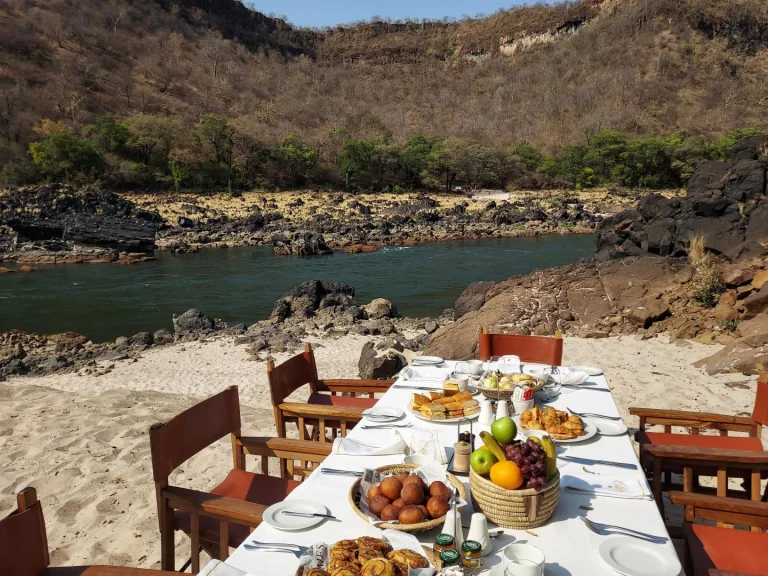
Fly to Bobo Camp. Helicopter flight over the Zambezi Gorge, landing on a white sand beach for a fabulous picnic.
Flight over the Zambezi Delta and Victoria Falls.
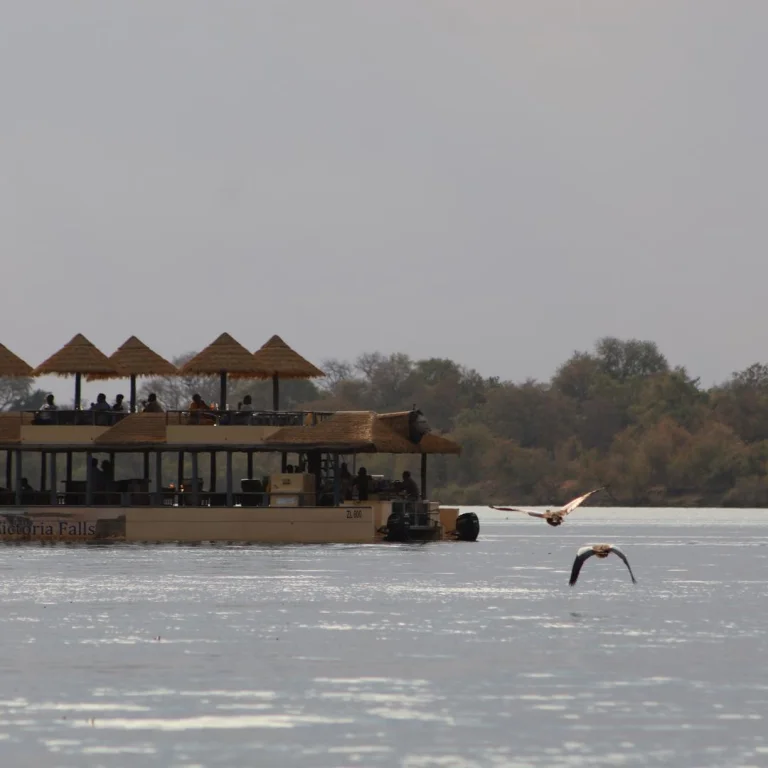
Sunset Safari Cruise.
https://www.livingstonesadventure.com/