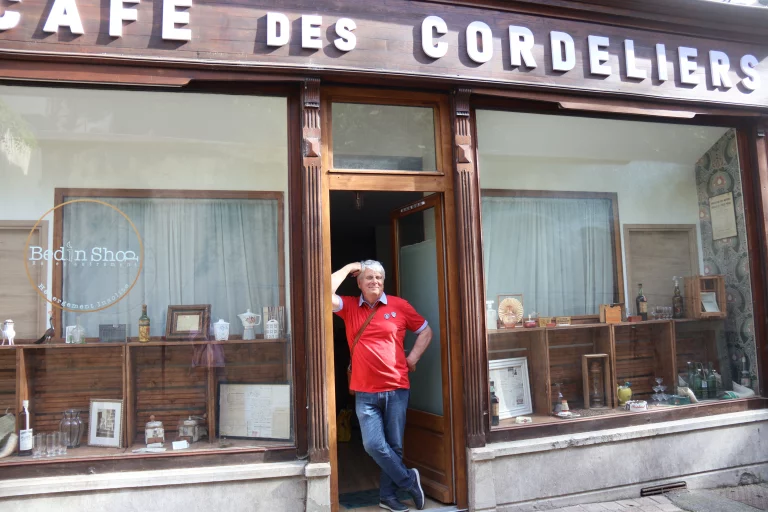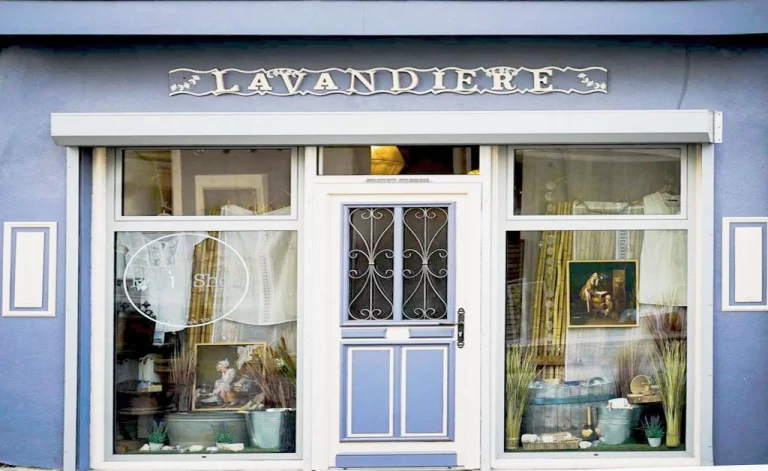
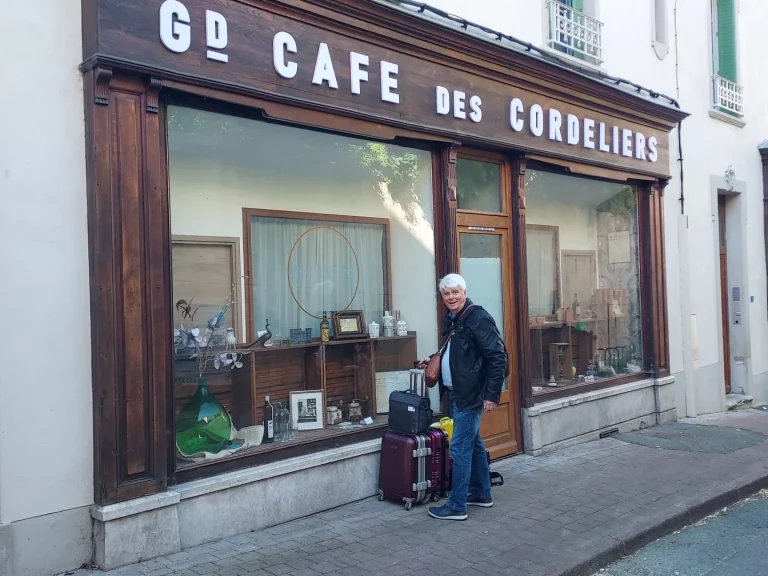
What could be more depressing in a city center than the blank storefronts of closed shops? After the crisis in its luxury shoe industry, Romans-sur-Isère had a few of them.
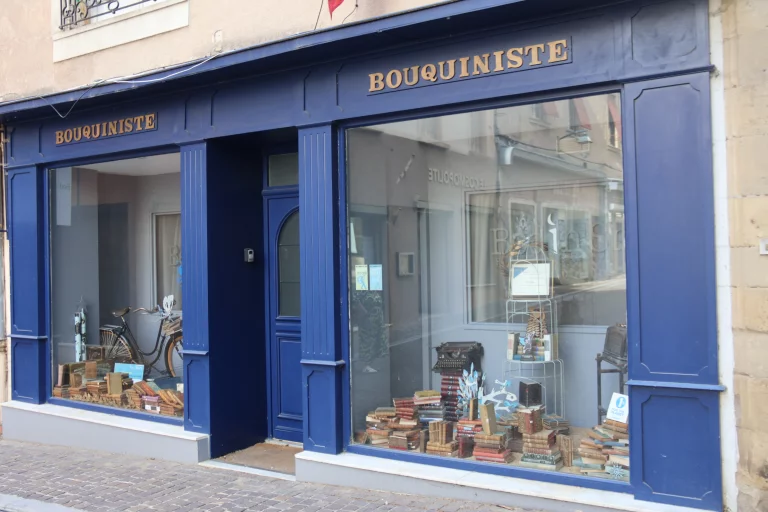
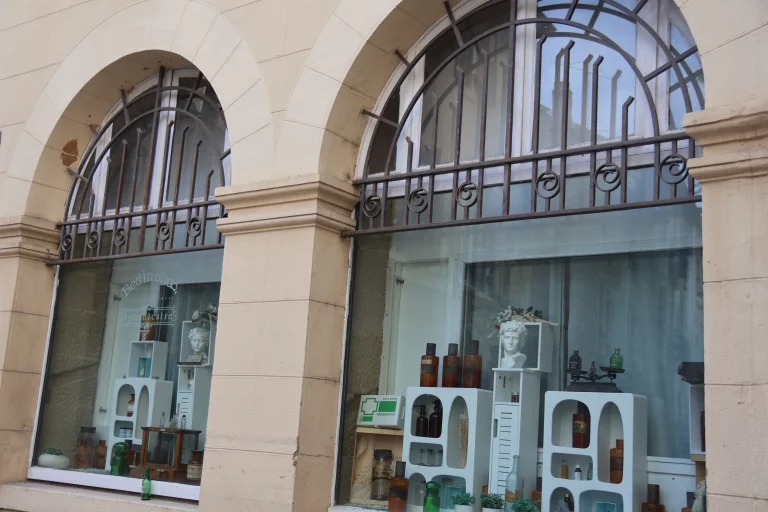
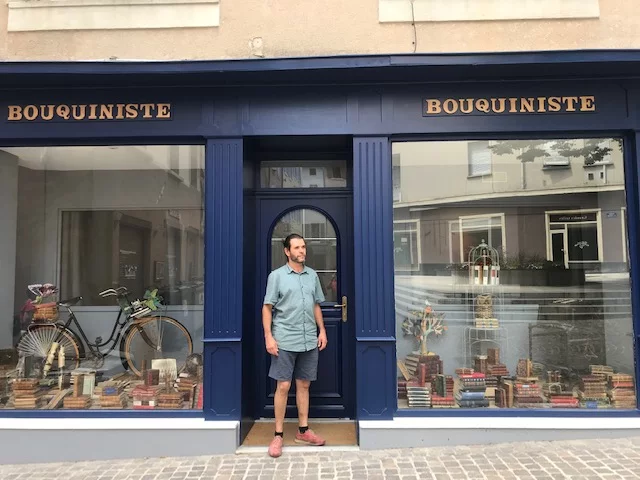
Today, they catch the eye, evoke the city's historical heritage, and tell the stories of their former occupants. The originality lies not in the decoration of these storefronts, but in the conversion of the former shops into unusual accommodations for travelers seeking authenticity. Neither a hotel, nor a guesthouse, nor a bed and breakfast, the name alone says it all: Bed in Shop – a bed in a shop.
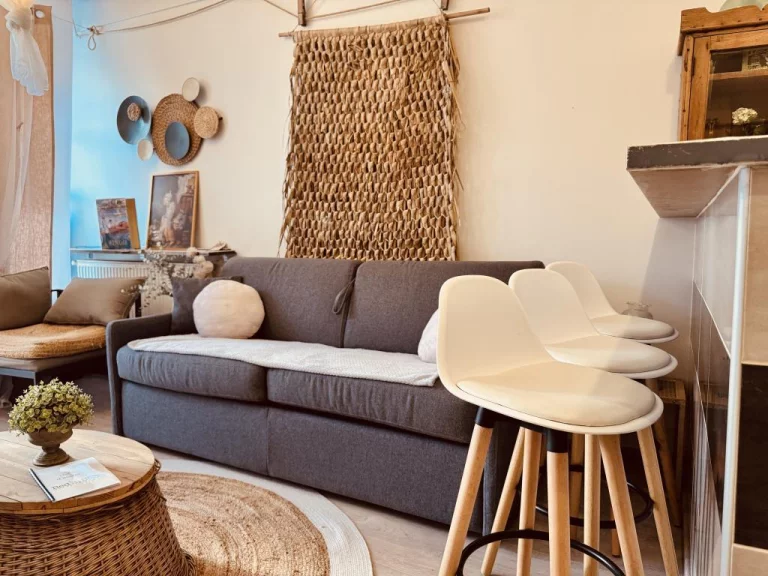
Each accommodation is different, with a theme related to the former trade or activity of the town.
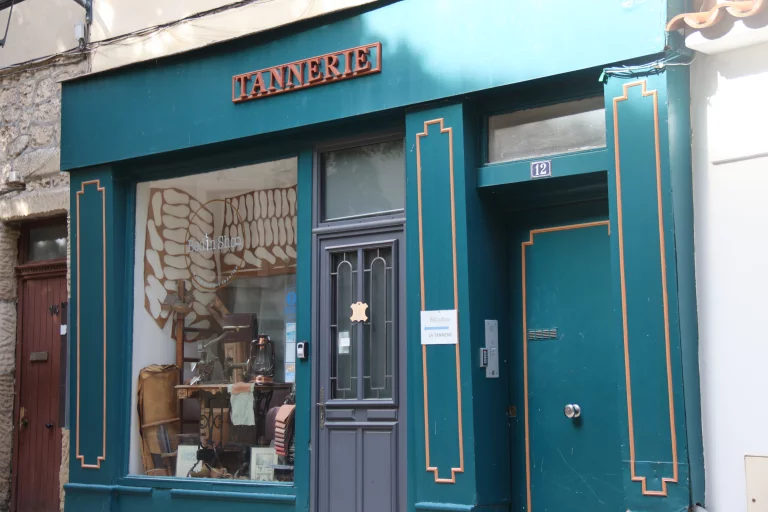
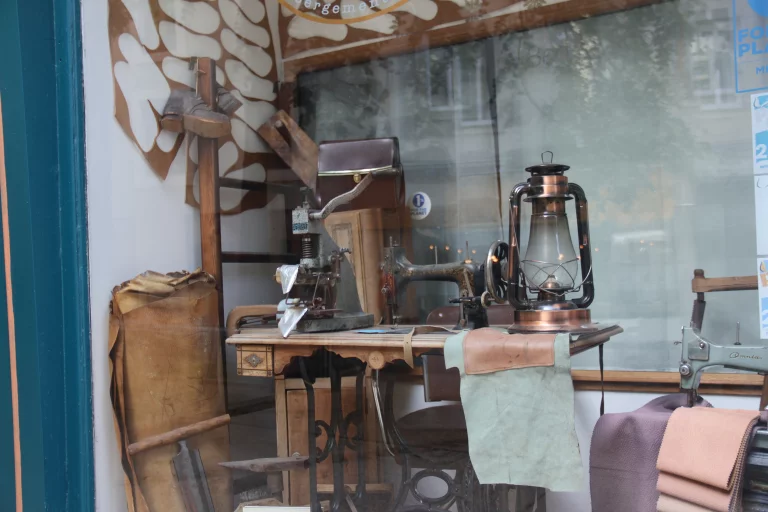
The shop windows become windows onto the city's history, culture, and identity. Window shopping is a delight, revealing objects from the past and unusual accessories. And all one desires is to spend at least one night in each of these accommodations, to experience the charm of the past and uncover the secrets of a bygone trade.
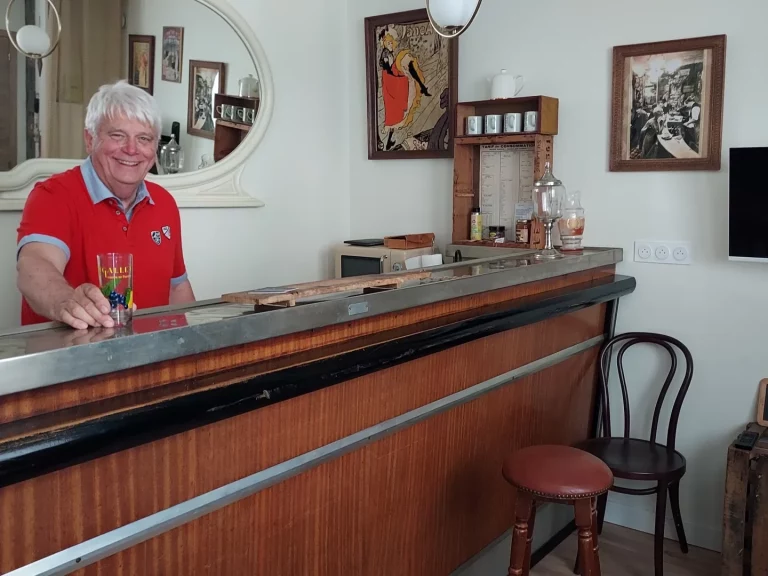
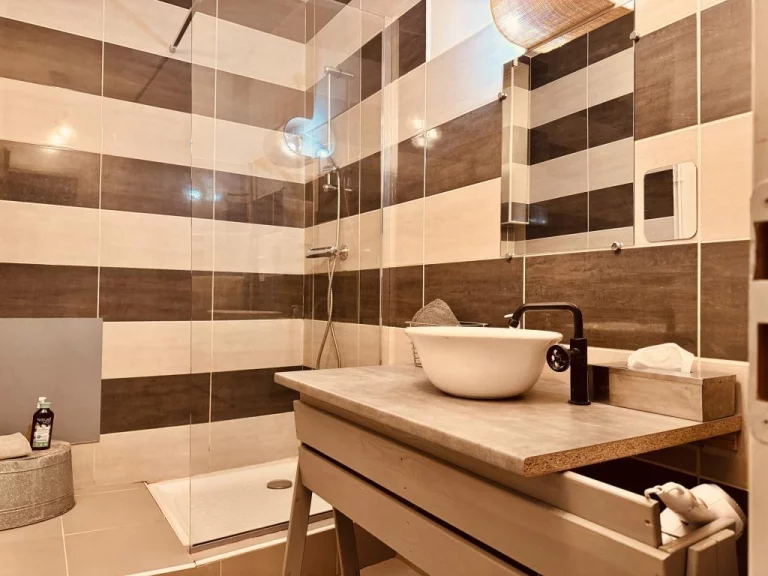
We were overcome with emotion as we pushed open the door, reminiscent of the Grand Café, to unpack our suitcases. An old zinc counter occupies the reception area, and antique objects and old photos bring back to life the era when the Café was the local meeting place. Except that the back rooms house beds and a comfortable bathroom. Nevertheless, we were very tempted to invite some friends over for drinks!
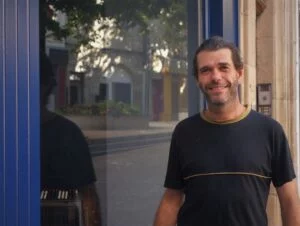
Behind this idea is François-Xavier Chamboust. His family has been established in Romans since 1840. After studying history in Lyon, then spending several years managing a bar-restaurant in Chile, he returned to his hometown with the desire to create a company that reflects his own values.
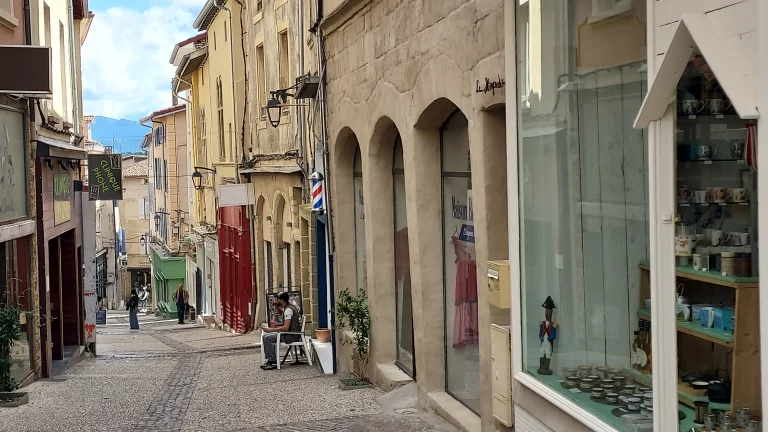
As he walks around, one observation becomes clear: closed shutters are multiplying, shop windows are emptying, and idle young people are spending their days on pallets. Rather than seeing this as inevitable, he imagines another way to experience tourism.
“Why build a hotel when all these shops already exist?” he recalls thinking. “At the time, pallet furniture was all the rage. I thought we could renovate these vacant premises with work-integration programs and welcome tourists.”
The principle is simple: the owners finance the structural work while Bed in Shop designs the interior. Very quickly, the project takes on a social dimension. Supervised by a carpenter and street educators, young people participate in making the furniture, restoring antique objects, reclaiming materials, and giving a second life to forgotten items.
“At first, they mainly came because we asked them to,” says François-Xavier with a smile. “Then they got into it. We worked together on Wednesday afternoons or during the holidays. They discovered they were capable of creating something beautiful. When they saw their work featured in the local newspaper, they were proud.”
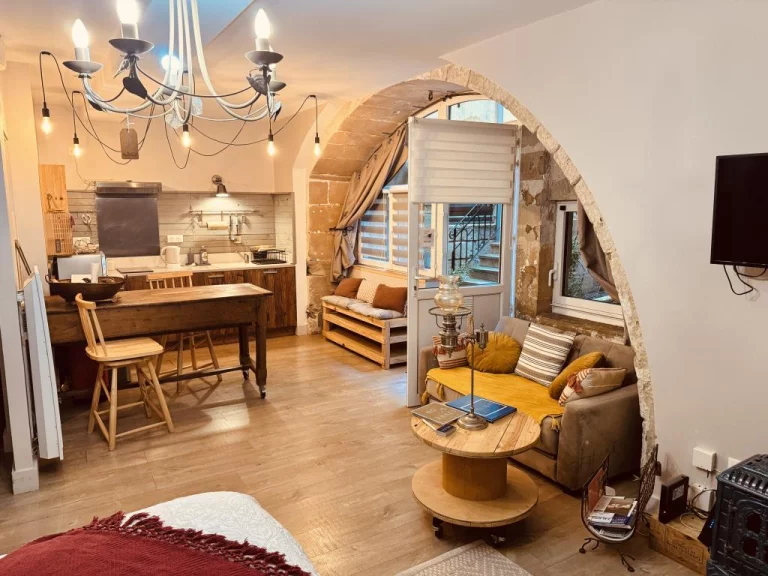
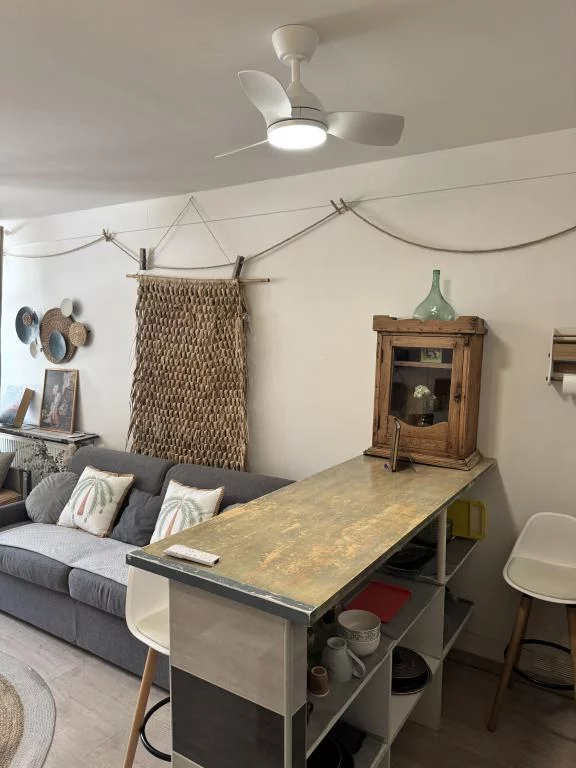
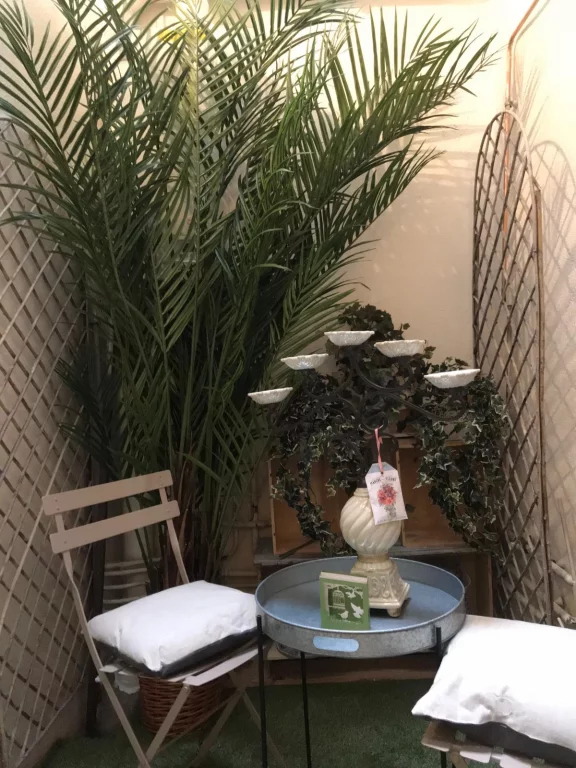
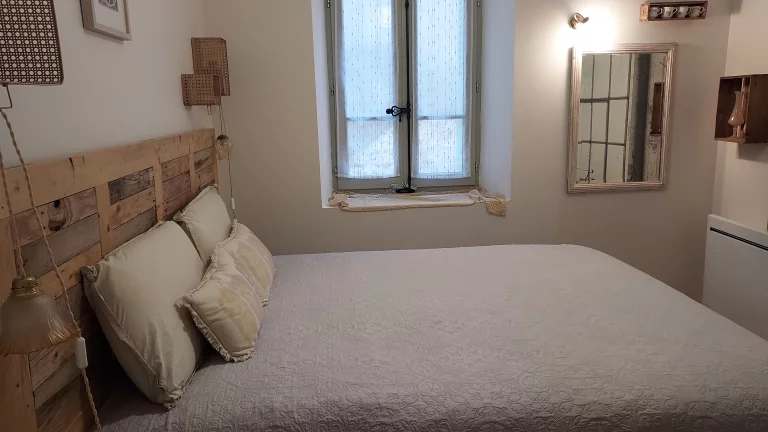
The furniture is often made from salvaged objects. A wooden crate becomes a bedside table, an old sign finds its place on a wall, an old piece of furniture is patiently restored. "We did a lot of DIY: sanding, painting, wallpapering... It was sometimes a bit chaotic, but creating something together when we had nothing in common was fantastic."
The initiative soon went beyond simply providing accommodation. Keen to further empower these young people, François-Xavier transformed them into guides of the historic center. With the help of a historian, he created a route punctuated with anecdotes, news items, and sometimes bloody stories that truly shaped Romans.
After four years of this venture, this social dimension will have to be abandoned. "It was wonderful when everything was working, but very demanding. Some young people didn't always come, there weren't necessarily enough customers, and we would have had to professionalize this whole aspect."
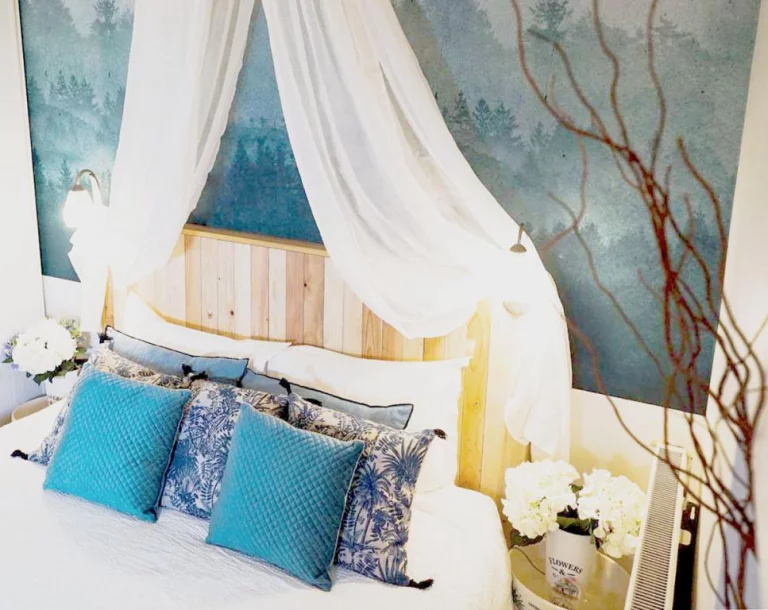
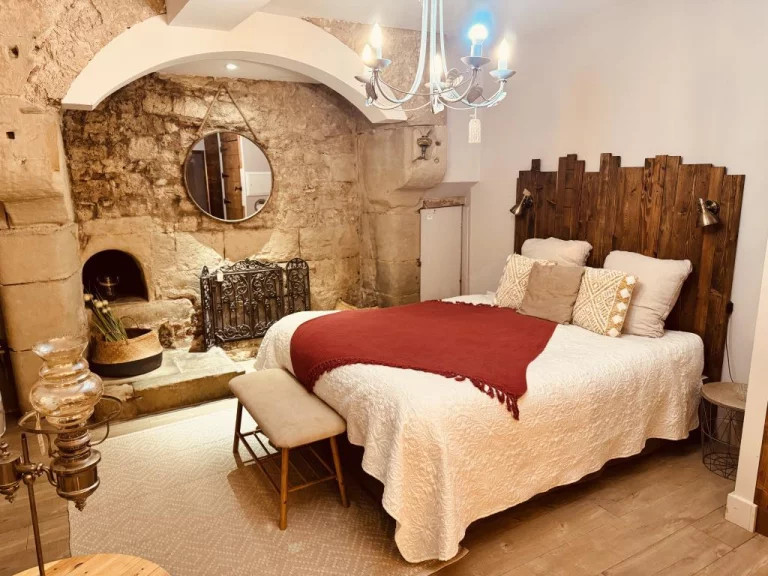
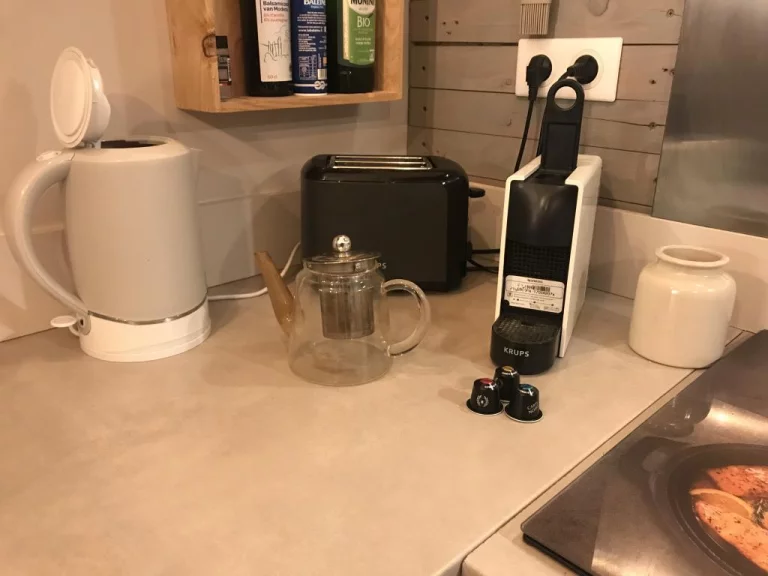
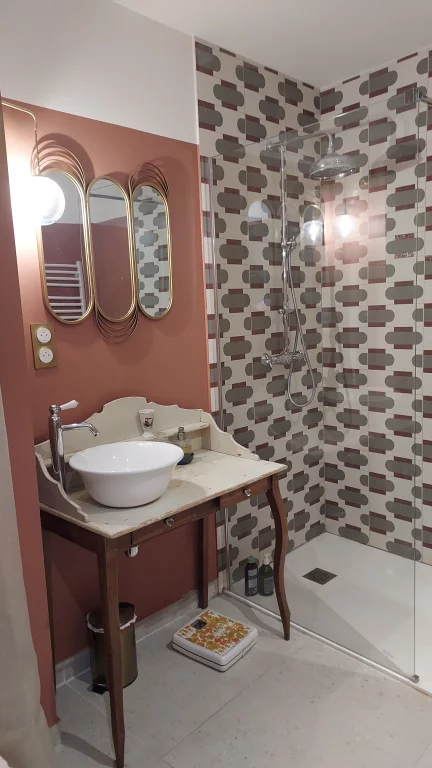
The spirit of the project, however, remained intact. The technical work was entrusted to craftsmen, while the decoration of the first accommodations was designed by his wife, an interior decorator. Each shop thus retained its personality, whether it was the tannery, the laundress, the bookseller, the apothecary, or the Grand Café.
Even today, François-Xavier sums up Bed in Shop in three values: "aesthetics, ecology and social responsibility".
With an occupancy rate of around 75% and prices ranging between 70 and 100 euros depending on the season, the concept proves that it is possible to combine tourism, heritage and the revitalization of city centers.
Bed in Shop tells a very simple story: before building something new, why not breathe new life into what already exists? A philosophy that makes these old shops much more than just unusual accommodations.
Practical information
https://www.bedinshop.fr
bedinshop@gmail.com
Tel. 06 16 64 44 73
The three values of Bed in Shop
Aesthetic
Bed In Shop is committed to enhancing every space, preserving and showcasing the architecture and aesthetics of the former shops. Each accommodation is designed to offer an exceptional visual experience, inspired by the history and charm of the neighborhood.
Ecology
Bed In Shop prioritizes the use of sustainable materials and local upcycling channels. As such, many of the furniture pieces and accessories in our accommodations are made from reclaimed furniture or recycled materials. This approach gives a second life to often-forgotten objects.
Social
In an effort to strengthen social ties, Bed In Shop actively involves the local community in its projects. We collaborate with young people from the neighborhood to manufacture furniture and accessories, thus offering learning opportunities and skills development.