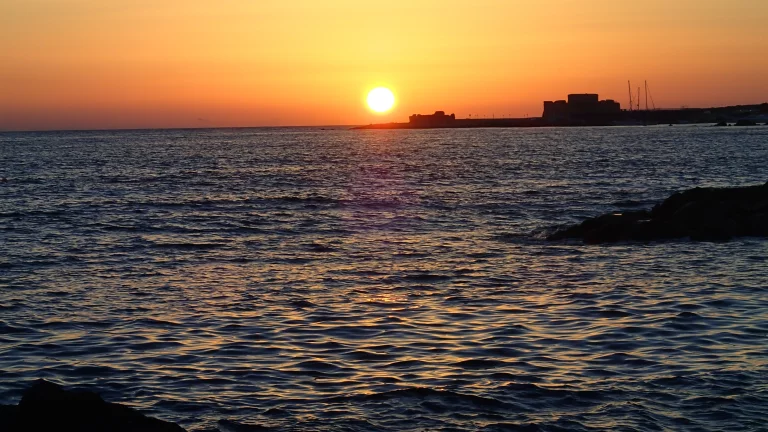
It goes back more than thirty years. When I got off the plane, it was dark. At the time, Larnaca airport was tiny. I can still see the sky full of stars, an old man waiting for me in front of his Mercedes to drive me to the hotel... and that strange feeling that has never left me: that of having arrived home.
The next morning, however, I was far from feeling at home. I had decided to explore the island on my own. A rental car was waiting for me in front of the hotel. So far, so good. Except that in Cyprus, they drive on the left. Thanks, Brits...
I had diligently memorized my route to the old town of Limassol, where a guide was supposed to meet me. In the end, driving didn't seem so complicated. Steering wheel on the right, gears on the left... after a few kilometers, I was almost starting to feel confident. Almost. A sign indicated a parking lot. I turned. A few seconds later, I realized I wasn't in a parking lot... but on a beach. The car slowly sank into the sand. Impossible to reverse.
I still remember that mixture of panic and disbelief. I had only been there a few hours, and I was already imagining how I was going to explain to the rental agency why their car was stuck on the shores of the Mediterranean.
Yet I didn't have time to panic. Young Cypriots were already running towards me. They pushed the car, exchanged a few words, and then one of them called out to me, bursting into laughter: "Is this your first time in Cyprus?" They were laughing. Not at me, but with me. And perhaps it was at that precise moment that everything began.
My car was out of the sand. And I, without realizing it, had entered into a love affair that has lasted for over thirty years.
Limassol, the city I learned to love
If there's one city in Cyprus that doesn't always win everyone over, it's Limassol. At first glance, it can seem disparate. It's a city that doesn't try to charm you at first sight. It prefers to let itself be won over.
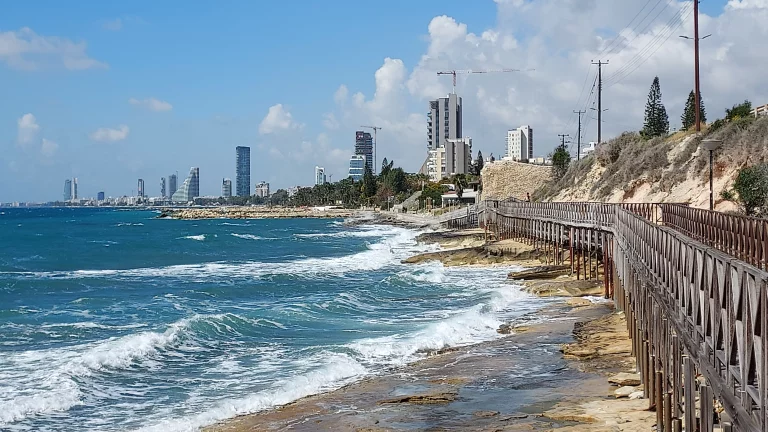
I love walking along the seafront, from the hotels to the Molos, that long promenade where families stroll among gardens, sculptures, cycle paths, and playgrounds. Then the old port, admirably renovated, leads naturally to the marina where yachts from all over the Mediterranean bob gently. Just crossing a street is enough to completely change the atmosphere. Around the castle where, according to tradition, Richard the Lionheart married Berengaria of Navarre, the terraces overflow with life. A few streets away, the old houses, the discreet courtyards, the street art murals, and the minaret of the great mosque recall the city's cosmopolitan past. Behind its modern face beats a deeply Mediterranean heart.
The day I discovered mezze
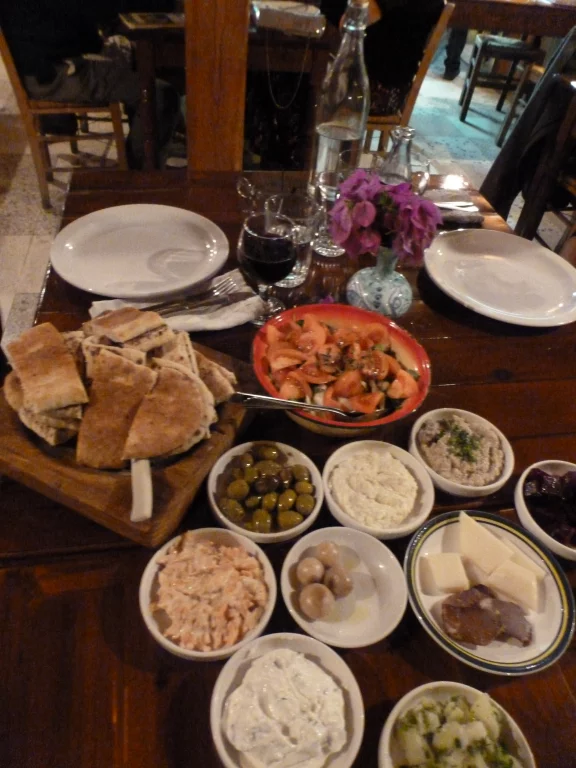
But the memory that always comes back to me when I think of Limassol has nothing to do with its architecture. It's almost three o'clock when my visit ends. I'm starving. My guide shows me to a taverna where olives, still-warm pita bread, and fragrant sauces immediately appear. I devour them with the enthusiasm of someone who hasn't seen a meal in hours. My guide watches me in silence, a small, disapproving smile playing at the corners of her lips. The small plates keep arriving. Hummus, tahini, vegetables, cheese... I think to myself, this is quite a hearty meal. I slow down a bit, already full. That's when the owner appears with huge platters of grilled meats, sausages, potatoes, and stewed meats. " But I told you I was taking you to eat mezze!" I look at her, completely bewildered. Mezze? I had absolutely no idea what that word meant.
That day, I understood that in Cyprus, a meal is never just a meal. It's a moment to share, a moment to linger over, a time to savor, to talk, to laugh. Since then, I always give the same advice: if you order a meze, come with an empty stomach... a very empty one. And above all, don't be in a hurry. In Cyprus, the most beautiful memories often begin around a table.
Siga-siga… Cyprus's most beautiful lesson
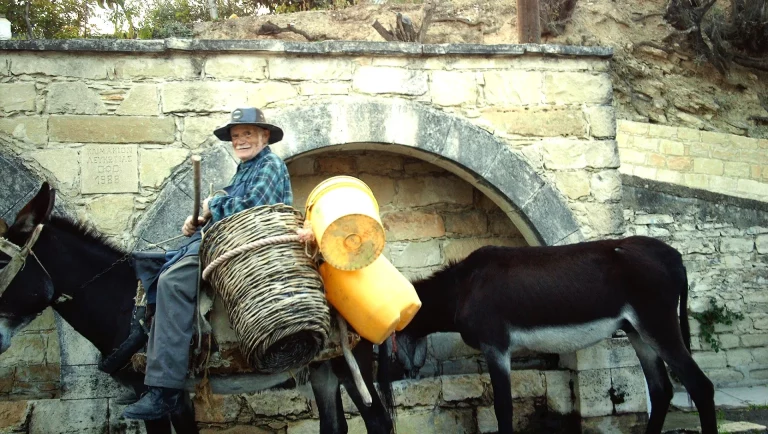
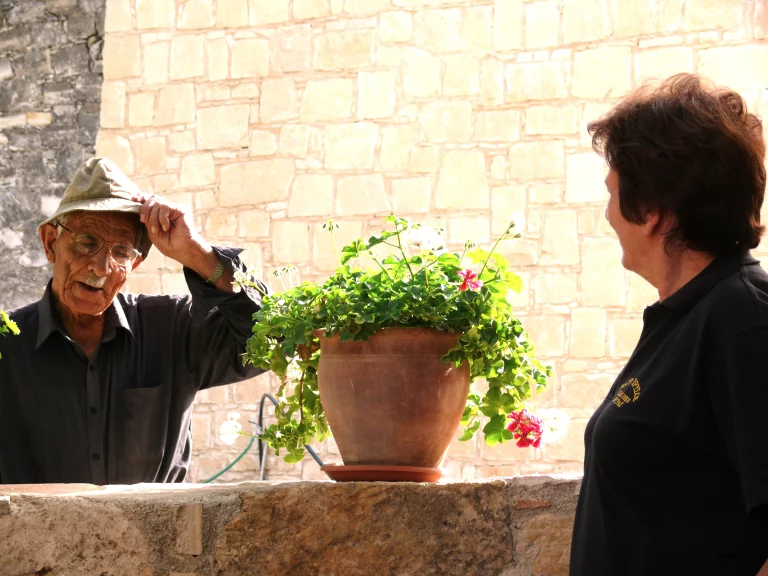
For fifteen days, I crisscrossed the island. Well… “crisscrossed” might not be the right word. Because very quickly, I realized that in Cyprus, you don’t set the pace of your trip. It’s the roads that wind through the mountains, the landscapes that beckon you to stop, the encounters that disrupt your plans. My itinerary, though meticulously prepared, didn’t last long. More than once, I got lost on small mountain roads. Just when hunger was starting to gnaw at me, a kafenion would appear as if by magic in the middle of a village. Regulars were playing cards or slowly sipping their coffee. I’d barely crossed the threshold when one of them invited me to sit down. A few words exchanged, a call to the kitchen, and an old woman would appear with a village salad, fresh bread, sometimes a piece of cheese or a few olives. Then came the inevitable interrogation. "Where are you from? Are you travelling alone? Are you married? Do you have children?"
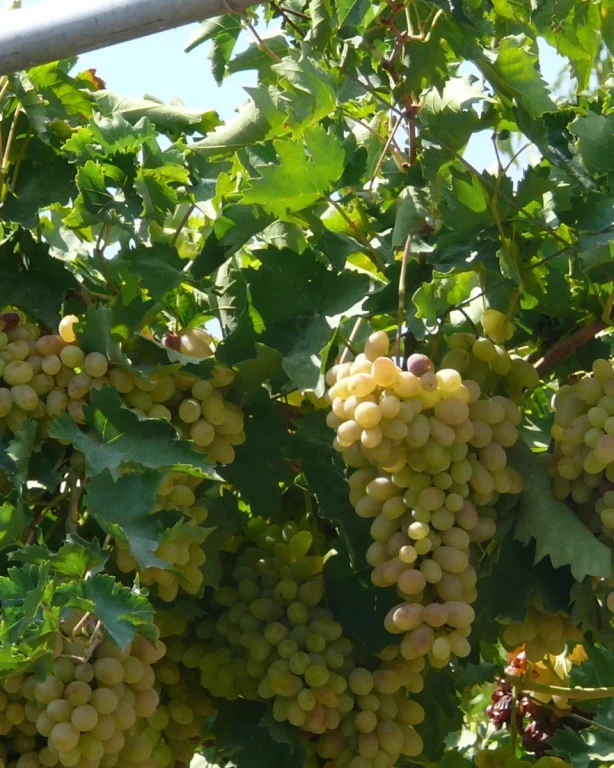
I arrived like a stranger; I left a few hours later like a friend. It wasn't unusual for someone to cut a bunch of grapes from the arbor to offer me before my departure.
Needless to say, the afternoon visits were often canceled. But what did it matter? It was in those moments that I understood the true meaning of a word I heard everywhere: "siga-siga ." Slowly... Take your time... There's no rush. A philosophy of life that Cypriots seem to apply with disarming ease.
Harvesting with Aphrodite
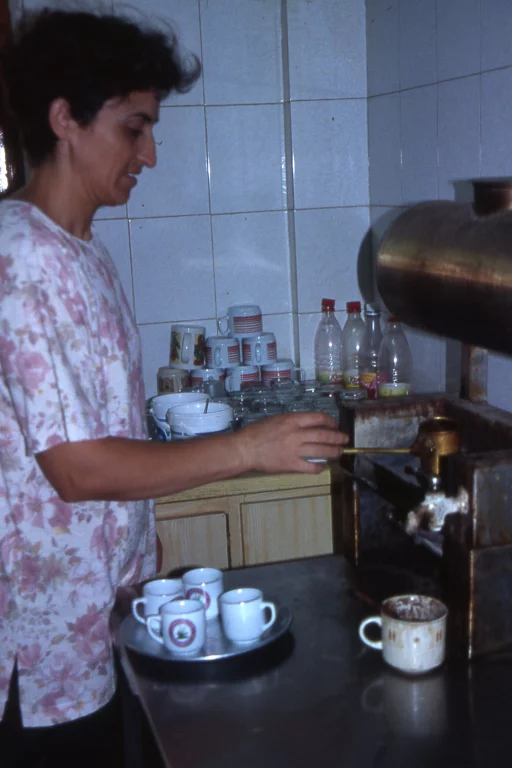
In a village, Elena invited me behind the counter of the café to show me how to prepare authentic Cypriot coffee. Woe betide anyone who dared call it Turkish coffee! The small copper pot heated slowly in a basin filled with volcanic sand. Her movements were precise, almost ceremonial. I didn't understand all her words, but I didn't need a translation: some traditions speak for themselves.
She invited me to come back and help with the grape harvest. Based on my experience in France, I naively thought I knew how it all worked. I was wrong.
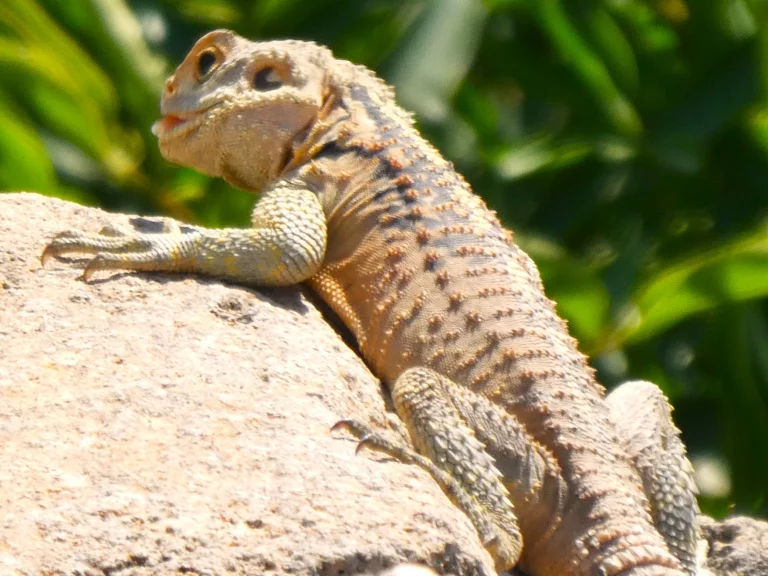
I was given a simple kitchen knife, a plastic bag to collect the grapes… and a row of vines along an old stone wall where the skins of snakes shed their skins accumulated. Enough to motivate even the most timid…
The older women of the village watched me, some more discreetly than others, wondering what this stranger was doing among them. At that time, many Romanian women came to the island to find husbands, and the gossips clearly harbored some deeply ingrained prejudices. I continued to cut my grapes without complaint, even when my back reminded me that the grape harvest is real work.
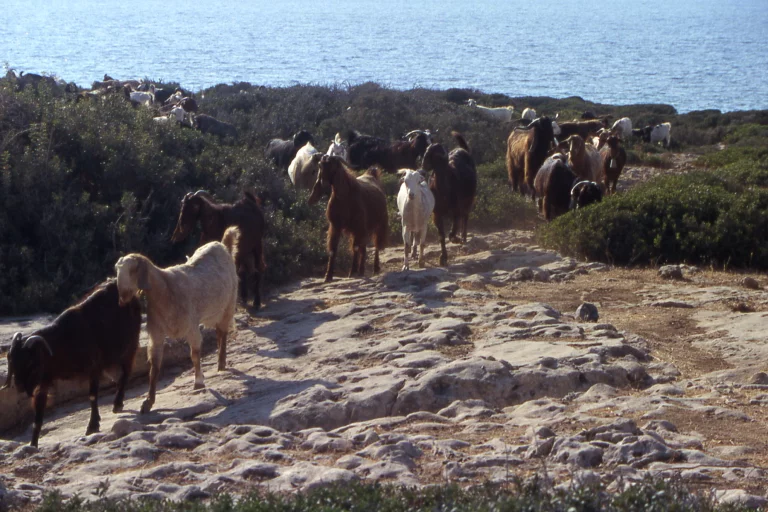
By the end of the day, everything had changed. I had held firm; I was "one of them." During the meal, the questions started up again with renewed vigor. When I explained that I was divorced and raising my three children alone—two of them boys, a detail that seemed to greatly impress my audience—the "village council" decided it was urgent to find me a new husband. An eighty-year-old widower, admittedly a bit old, but very wealthy… Or that farmer with two hundred goats. I wondered if I would have become the two hundred and first…
How could one not fall under the spell of a country where even the grape harvest ends with a matrimonial search?
Dining with goddesses
I could probably write pages and pages about Cypriot cuisine. The endless meze, the grilled halloumi, the sun-drenched vegetables, the freshly caught fish, the honey pastries… But what matters most are the people you sit with around a table. A few years after we first met, Elena invited my husband and me to dinner at her home in Polis. He had fallen in love with Cyprus almost as quickly as I had. Around the table sat Elena, her husband Nikos, their daughters Aphrodite and Artemis—yes, I really did dine with goddesses!—and a few friends. The evening had barely begun when the neighbors were already poking their heads through the half-open door to see “the French friend.” And then they added a chair. Then a plate. Then a glass. No one seemed to find it extraordinary. We didn't understand much of the conversation. Everyone was speaking Greek. Aphrodite would occasionally slip in a few words in English, Nikos would try to recall his German, and we filled in the rest with smiles, gestures, and lots of laughter. In the end, we understood each other perfectly. There was, however, a moment of awkwardness. I was served a traditional sheep's milk soup. I did my best. I really did. But after a few spoonfuls, I realized that if I persisted… Taking advantage of a moment of general inattention, I discreetly swapped my plate with that of my husband, who had sacrificed himself for me…
Panagiotis's fish
Another year, we rented a house in Polis where we knew Panagiotis, captain of the Lady Maria , an old fishing boat that has sadly since disappeared. One morning, I simply asked him, "Where can we buy good fish?" His answer was immediate. "Whenever you want it? You take care of the wine. I'll take care of the fish."
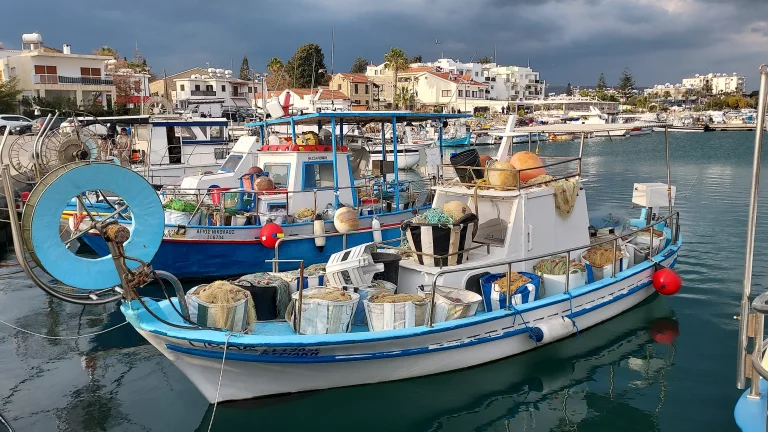
The following evening, he arrived at our house accompanied by the manager of the small port. The manager's father had left to fish at dawn. Panagiotis had thought of everything: the fish, a small gas barbecue, and even a bag of potatoes. He placed it in the kitchen and declared, with the utmost nonchalance, "They're from my garden. They're organic. Go ahead, prepare them." In France, I probably would have refused. Here, it seemed perfectly normal. Everyone contributed in their own way. The meal was delicious. But the best was yet to come. When the plates were empty, Panagiotis took out his bouzouki. The first notes resonated in the gentle evening air. A melody I knew, and I began to sing. In Greek, to everyone's surprise. " Xekina Mia Psaropoula ." A song I had learned in my high school choir... and which, as it happens, tells the story of a small fishing boat. For a few minutes, languages were irrelevant. All that remained was the music. And friendship.
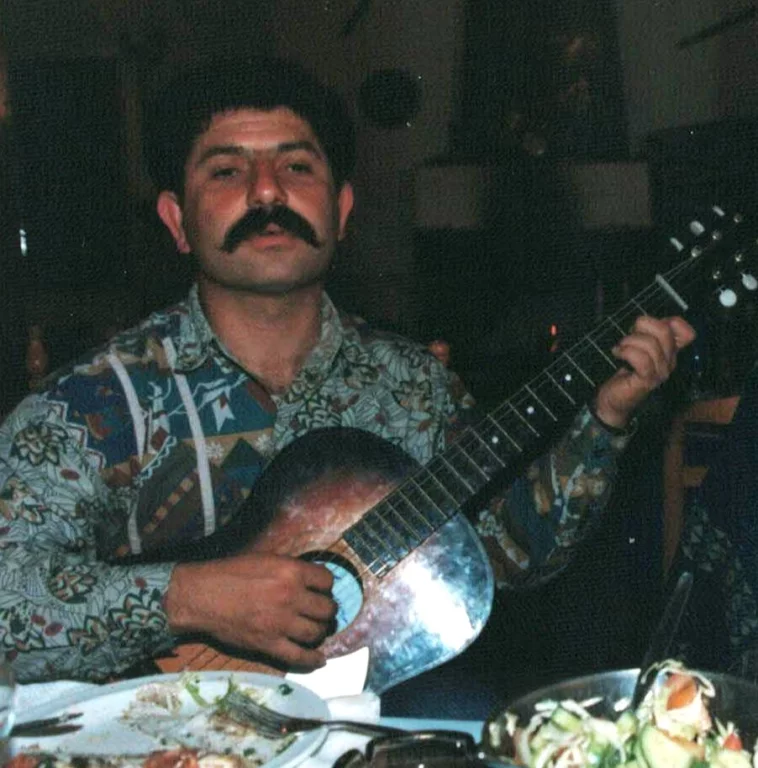
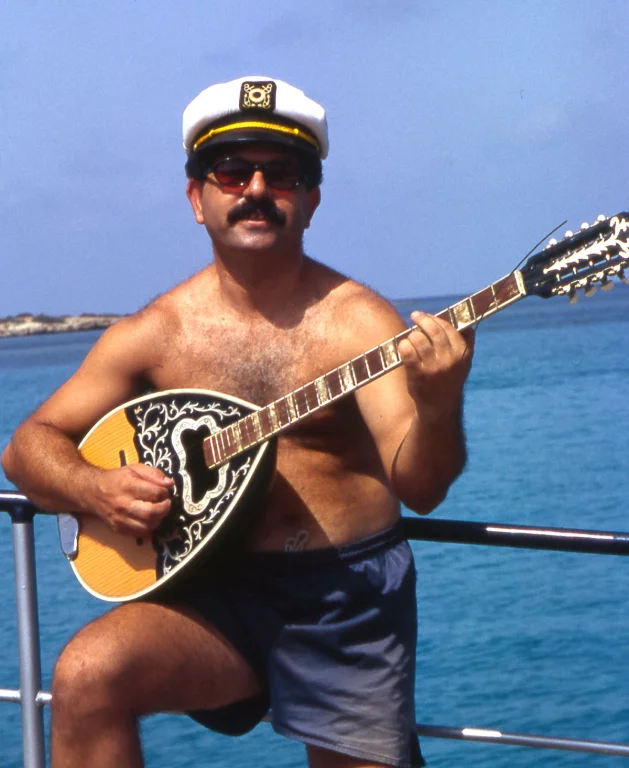
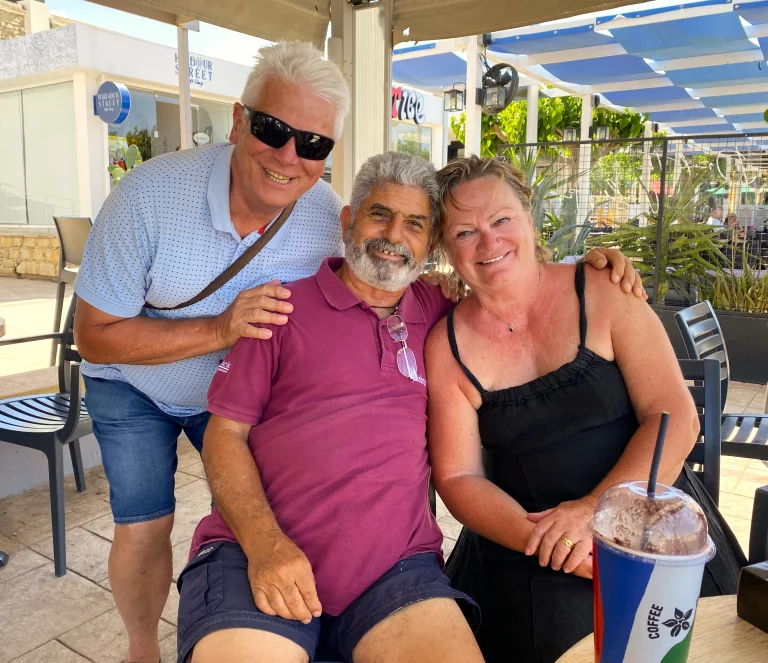
The best meals are not always those enjoyed in the best restaurants. Sometimes they simply take place on the terrace of a holiday home, with potatoes from the garden, a fish caught that very morning, a bouzouki, a few friends... and that delightful feeling of being, for an evening, a little bit at home on the other side of the Mediterranean.
Saints, monks... and candied oranges
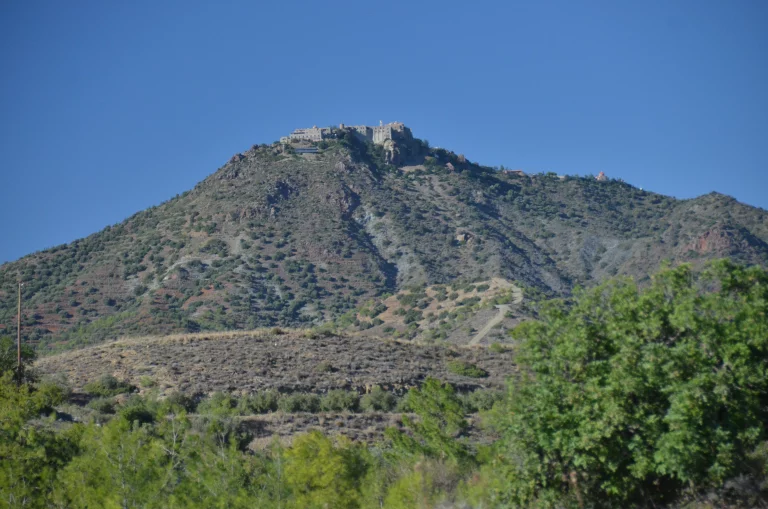
In Cyprus, monasteries are everywhere. They appear at the bend of a forest path, hide deep in a pine-scented valley, or cling to a mountaintop. Some are modest, almost secret. Others attract pilgrims from all over the island. They all have one thing in common: people come not only to admire icons or frescoes, but also to meet women and men for whom hospitality is second nature.
My first misadventure took place at the Stavrovouni Monastery. Proud of having driven all the way there on a narrow, winding mountain road, even passing through a military base where I was almost tempted to salute the soldiers, so frozen did they seem at attention, I finally reached the top of the hill. Only to discover that women were not allowed inside.
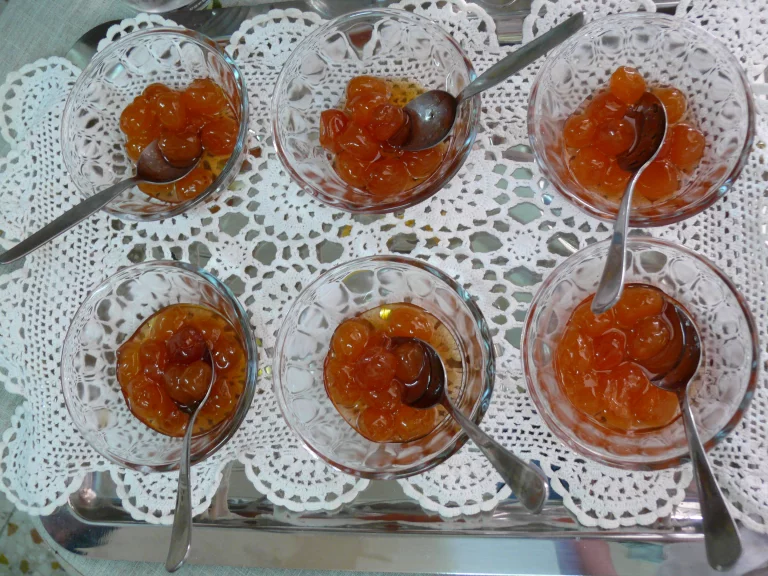
At first, I admit I was disappointed. The monks directed me to another monastery, a little further down. There, I was welcomed like an expected guest. A silver platter appeared, laden with candied oranges, fruit freshly picked from the orchard, and deliciously cool water. My disappointment vanished.
Each monastery held a surprise for me.
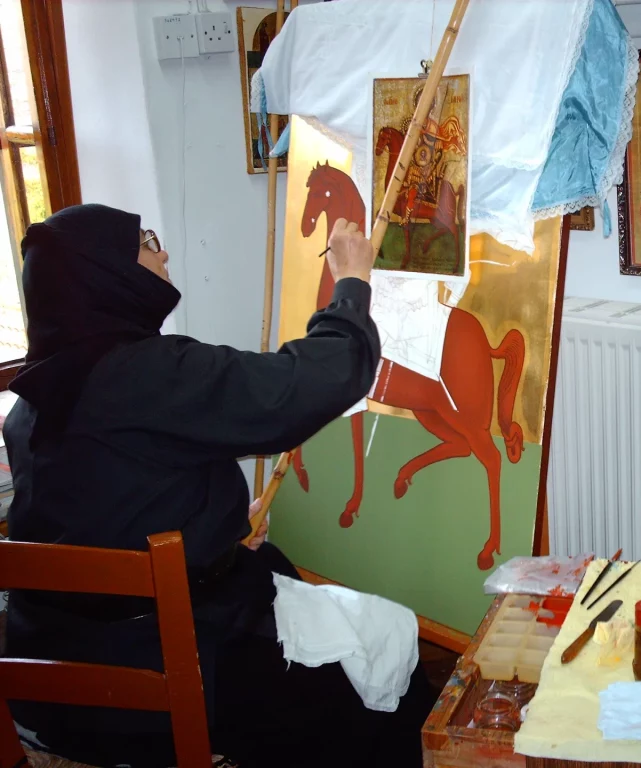
At the convent of Agios Minas in Vavla, I had the privilege of watching a nun paint an icon. Her brush moved with infinite precision, in an almost meditative silence. She explained her technique to me... in Greek. I didn't understand a word, but in the end, it hardly mattered. The gestures spoke for themselves. Before my departure, the nuns gave me a sweet, a little good luck charm, before they started thinking about a husband for the kind traveler!
But the place that has most profoundly affected me is undoubtedly the hermitage of Saint Neophyte. I always wait until the last visitors have left. You almost have to stoop to enter this small chapel carved into the rock by the hermit more than nine centuries ago. Inside, time seems suspended. Every inch of the stone is covered with Byzantine frescoes. The colors follow the contours of the rock, as if the mountain itself had been transformed into a church. Soft light filters through the openings.
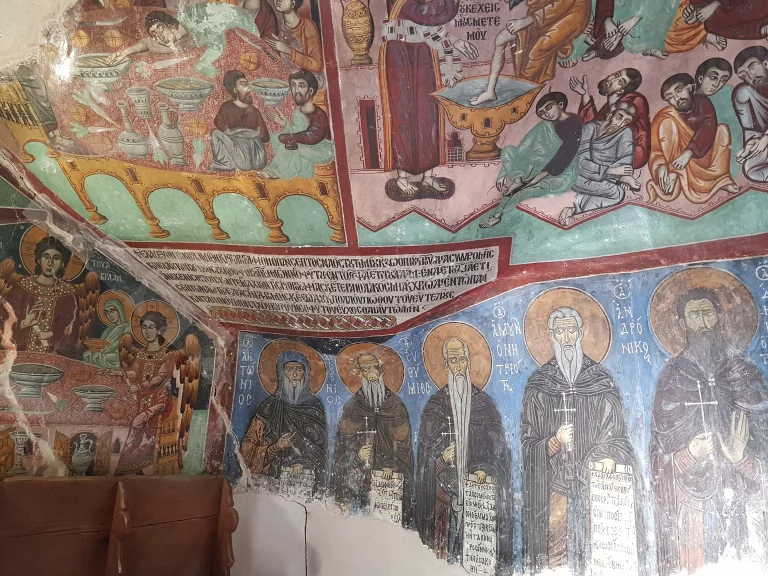
The air is fresh. No one speaks. We stand there for a few minutes, without saying a word, simply watching. Rather than before an icon, however beautiful and miraculous it may be, it is here, in the intimacy of this cave hermitage, that one finds oneself making a wish. Not because one hopes for a miracle, but because certain places possess a presence that soothes and invites contemplation. Leaving this tiny chapel, I felt as though I were carrying a little of its silence with me.
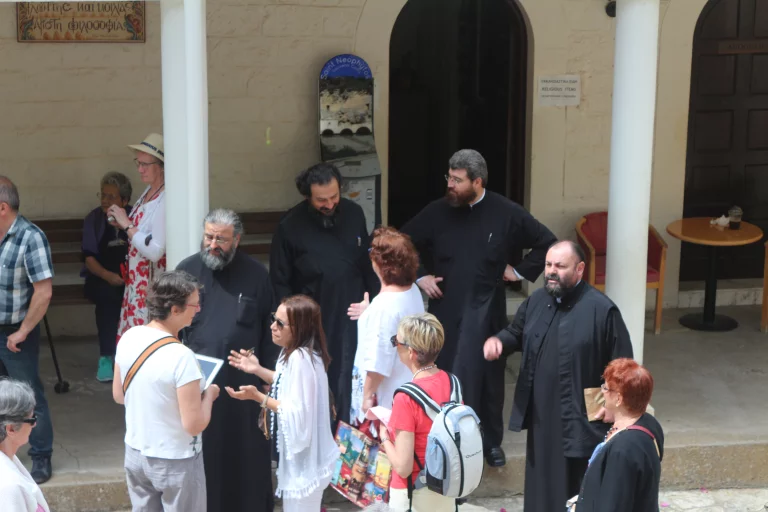
In the neighboring monastery, on certain days, the monks invite visitors to share some cakes and a drink after the service. There, too, encounters arise spontaneously. An old woman slips a piece of blessed bread into my hand, before adding a small branch to replant in my garden. A modest gift, but rich in symbolism.
At the Chrysorrogiatissa monastery, famous for its icons but also for its vineyard, the grape harvest was in full swing. The monks were all busy. It was impossible to get the tour of the historic cellar I had hoped to see. One of them simply handed me a corkscrew. The message was clear: the cellar is open, help yourself. I think few wineries offer a tour with such confidence!
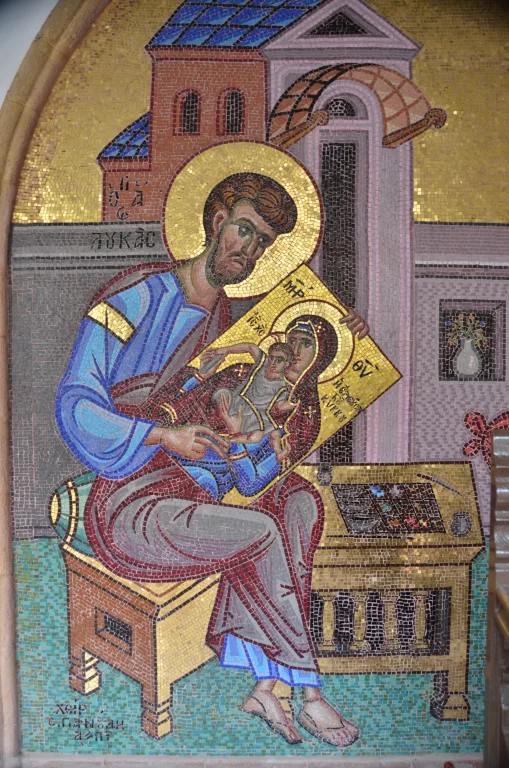
Higher up in the Troodos Mountains, Kykkos impresses with its scale, its dazzling mosaics, and the veneration surrounding the icon of the Virgin Mary traditionally attributed to Saint Luke. Even higher, the tomb of Makarios overlooks the valleys. The panorama there is magnificent.
I also discovered these astonishing Byzantine chapels scattered throughout the Troodos Mountains. From the outside, they look like simple barns. That was precisely the point: to protect them from invaders. Nothing hints at the treasures they hold. But upon entering, the walls are suddenly illuminated by marvelously preserved frescoes. You then understand why they are listed as UNESCO World Heritage sites.
Going from monastery to monastery was never, for me, simply a cultural visit. It was another way of discovering Cyprus. Another way of meeting its people.
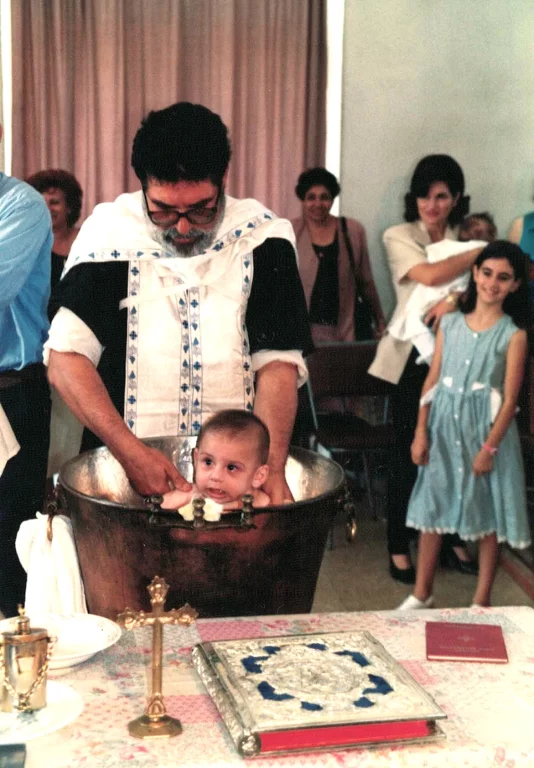
After attending an Orthodox baptism quite by chance, the family invited me to the celebratory meal where the whole village was gathered. Once again, the stranger was welcomed like a friend.
In Cyprus, hospitality is perhaps the most beautiful heritage.
Wearing flip-flops in an ancient tomb.
There are days that begin quite normally... and end in a tomb over two thousand years old. This one begins in Polis, a village I quickly grew fond of. Away from the major tourist centers, it possesses that quiet charm I love so much. On one side, the sea. On the other, the first foothills of the mountains.
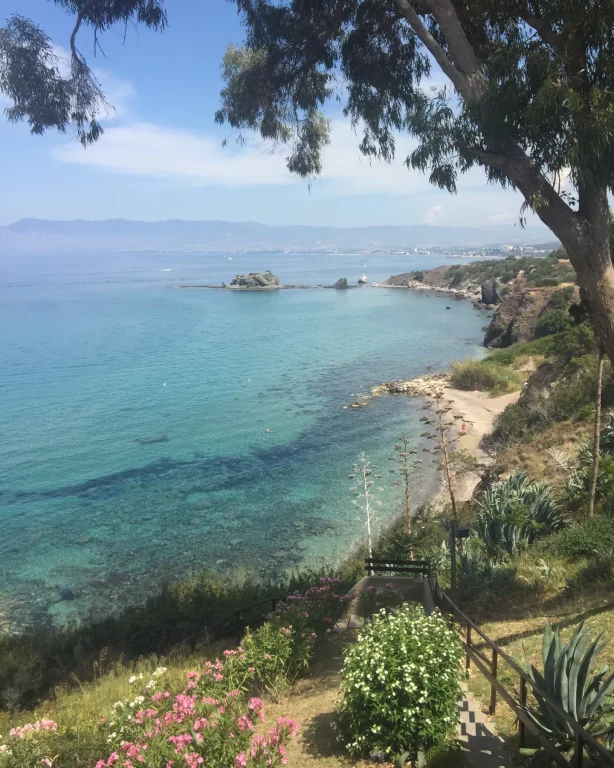
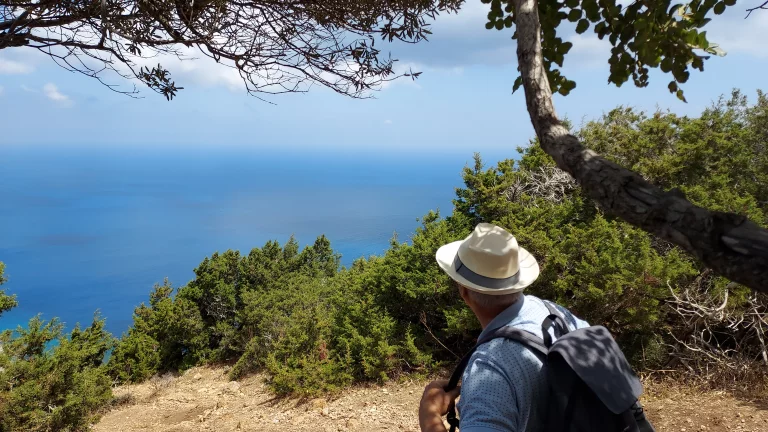
It was in this region that I went on one of my most beautiful hikes. The trail climbed through the scrubland. Countless spent cartridges crunched beneath my feet, a reminder that Cypriots are passionate hunters. The higher I climbed, the more the Mediterranean Sea revealed itself. An almost unreal blue accompanied me throughout the descent.
But it's not this hike that has remained etched in my memory.
That morning, while leafing through the local English newspaper, I learned that an ancient burial site had just been discovered nearby. The journalist in me immediately awoke. I had to see this. I rushed to the small tourist office where I had met Christos. "Do you think I could get permission to visit the excavation site?"
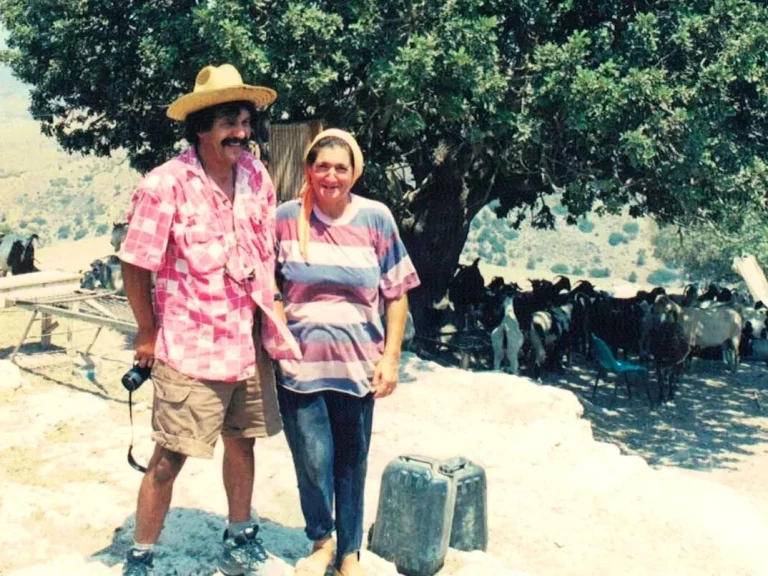
The answer was obviously no. But Christos, who was wearing his military uniform that day, offered to take me with him; he was meeting with the chief archaeologist. I didn't have time to go back to the hotel to change, even though it was the only day I'd swapped my hiking boots for a short skirt... and flip-flops. When I arrived at the dig site, the chief archaeologist showed no enthusiasm whatsoever at the prospect of a curious journalist showing up. My camera was immediately confiscated. Then I had to go downstairs. In my famous flip-flops. I was trying to place each foot with infinite care when... I slipped. Instinctively, I reached out to catch myself. Bad idea. Part of the earth started tumbling down. My heart stopped. I was convinced I'd caused an archaeological disaster . The chief was going to fire me on the spot. Or worse...
Behind me, I heard Georgios shout, "Go! Go! Go!" He was so eager to discover what lay hidden at the bottom. And suddenly... I saw it. A skeleton. A large urn.
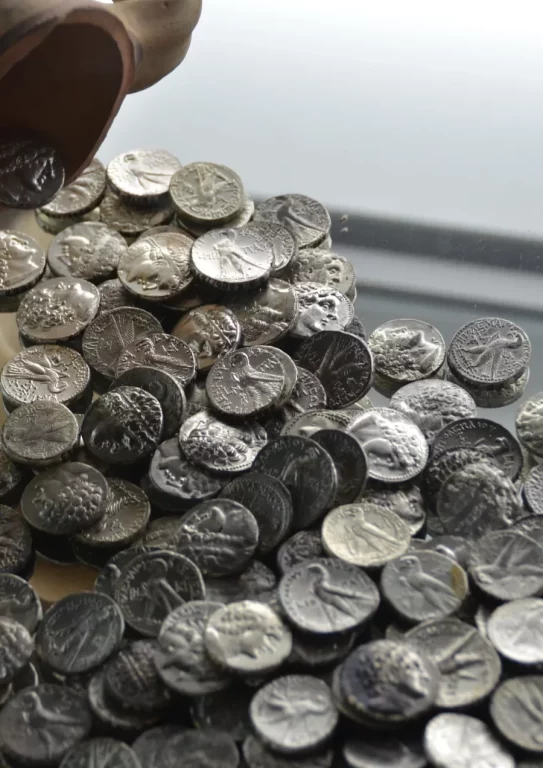
A few coins still lay where they had been placed centuries before. I don't remember what I thought. I only remember holding my breath. For a few moments, time seemed to stand still. I was the privileged witness to a discovery that very few people had ever had the chance to see. As we returned to daylight, the chief archaeologist muttered a few more words under his breath. Then, unexpectedly, he handed me an official document. With this authorization, I could retrieve the photographs of the excavation from the Archaeological Museum of Nicosia.
When Cyprus started singing French
I always wanted to share this island with others. My husband sang in a men's choir. Why not introduce them to Cyprus? The idea seemed a bit crazy. We had to organize a whole week, find concert venues, convince the organizers, sort out a thousand details... but in the end, two concerts were organized. The choir director decided to perform a traditional Cypriot song. The first concert was very moving. Then there were the other moments, the ones you can't predict. In the villages, all it took was for the choir members to start singing the first few bars of that Cypriot song for passersby to stop, for smiles to appear...
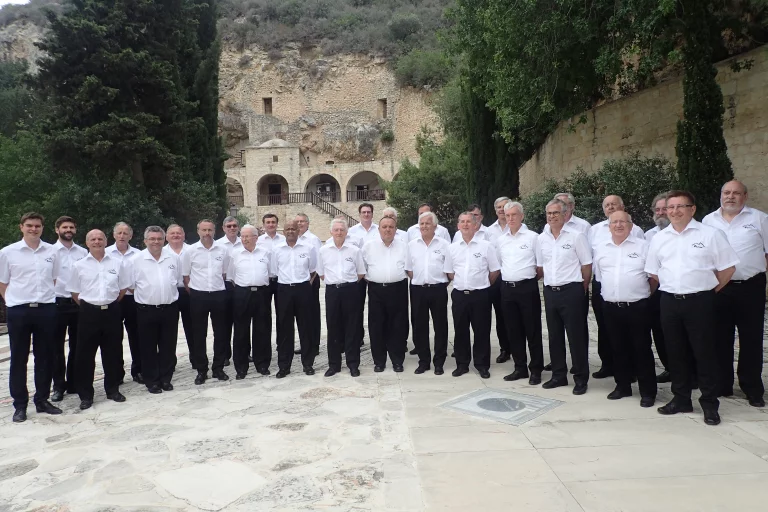
Even the monks momentarily abandoned their tranquility to pull out... their iPhones and capture the scene. Seeing religious figures enthusiastically filming a French choir performing one of their national songs wasn't exactly what I'd envisioned when planning this trip! Our guide was captivated: "And with that French accent... it's so lovely!" I watched my choir members, so focused on pronouncing each word correctly. I watched the Cypriots, happy to see foreigners embracing a piece of their culture with such respect. And I thought to myself that perhaps the trip had achieved its most beautiful goal: not just to visit a country, but to forge a connection.
Upon returning, several choir members confided in me that they finally understood why I kept going back to Cyprus. They had seen the landscapes, of course. But above all, they had met the Cypriots. And it is there, I believe, that one truly falls in love with this island.
What the Coffee Grounds Already Knew:
In a small village on the island, an unexpected encounter would once again give a very human face to my trip. I was asked to take a tiny old woman back to her hamlet. At the time, I only knew two words of Greek: "aristera" (left) and "dexia" (right). With these meager directions, but a great deal of goodwill, I dropped her off in front of a modest little house, into which she led me. Behind the door was a single room where she lived with her husband, a simple interior, far removed from the touristy Cyprus of postcards.
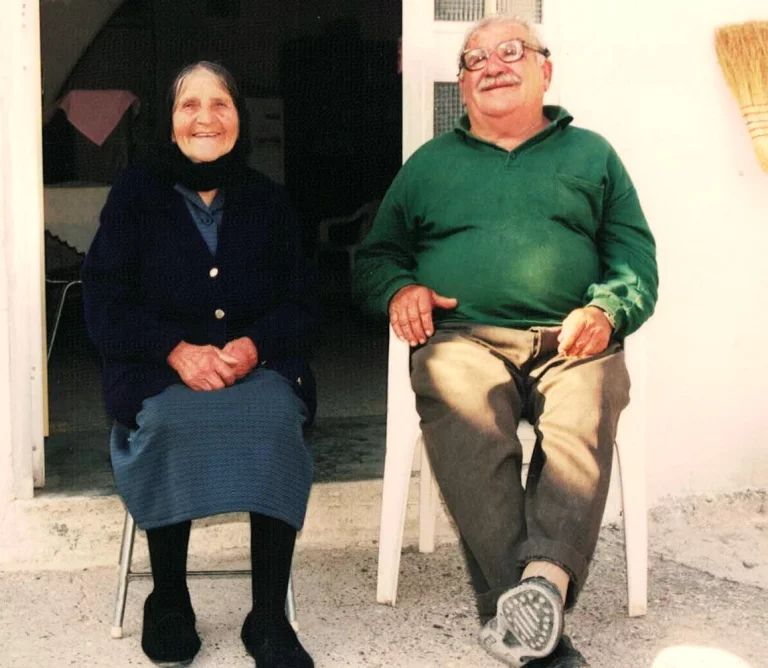
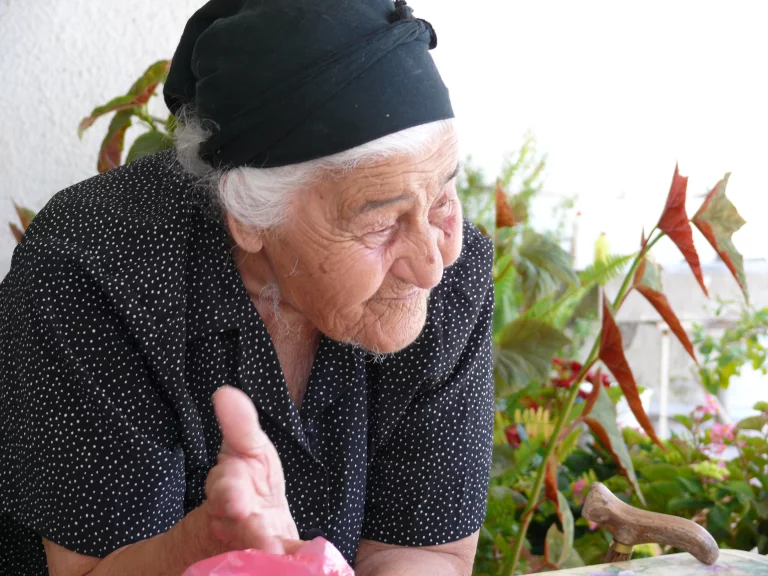
She called her English-speaking neighbor. Then she insisted on offering me a coffee. But not just any coffee: coffee whose grounds, left at the bottom of the cup, would allow her to read my future. Very focused, she observed the traces left by the coffee. Apparently, she saw so much in them that I had to drink a second cup so she could continue her "revelations." I listened to her with amusement: her predictions seemed completely improbable, and above all, nothing—absolutely nothing—could possibly concern me. And yet…
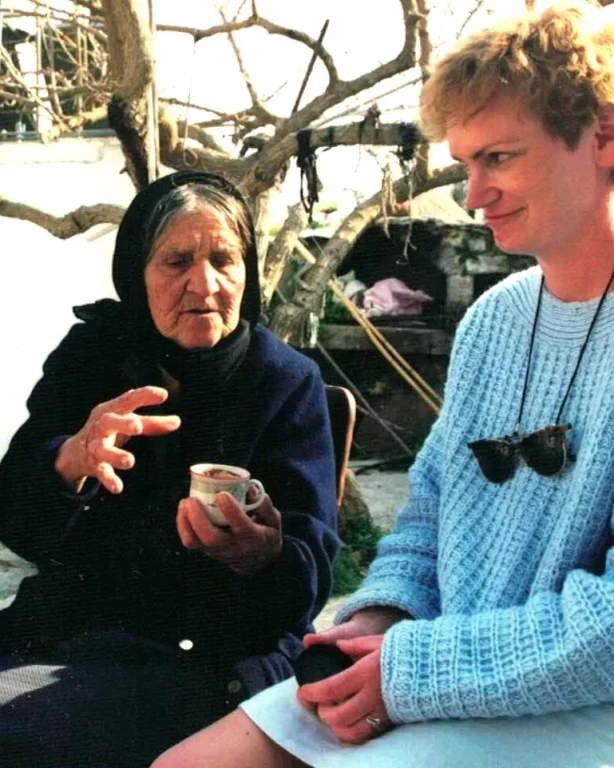
Looking back, I have to admit she was right on several points. She had told me about frequent returns to the island, and even about a wedding. Not in Cyprus, admittedly, but still! Chance, intuition, or simply the magic of the moment? It doesn't matter. This "little old lady," whom I met almost by chance in a village, had added a touch of enchantment to my trip.
Because ultimately, Cyprus was not just a discovery. It became a love story.
Cyprus, a love story
For a long time, I wondered what kept me coming back to Cyprus. It wasn't for its archaeological treasures or its landscapes. I keep coming back because one day Elena opened her door to me as if I'd always been part of the family. Because Panagiotis took it for granted that his fisherman friend would set out to sea at daybreak to bring us our dinner catch. Because Christos took me to an archaeological dig where I discovered a past thousands of years old… hoping only I wouldn't bury it under my flip-flops!
I keep coming back because strangers offered me a seat in their kafenion , a bunch of grapes picked from above the terrace, a piece of blessed bread, a coffee whose grounds an old woman carefully read before telling me about a future that, against all odds, came true.
I keep coming back because in Cyprus, meals never end when you decide they should. A neighbor drops by to say hello, a chair appears, a plate is added to the table, and the evening begins again. I keep coming back because here, I learned two words that perhaps sum up an entire philosophy of life: siga-siga . Take your time. There's no rush.
And then there are these names that seem to have come straight out of mythology. Aphrodite. Artemis. Adonis. Leonidas. Who can boast of having harvested grapes with Aphrodite or hiked with Artemis? In Cyprus, the ancient gods seem never to have completely left the island.
A few words of Greek are enough to open any door: kalimera for hello, parakalo for a polite request, efcharisto for thanks. The rest is conveyed with eyes, smiles, and hospitality. It's a universal language that Cypriots speak remarkably well.
It's often said that a journey ends when you return home. I'm not so sure about that anymore. Because, for thirty years, a part of me has remained on this island.
Practical information
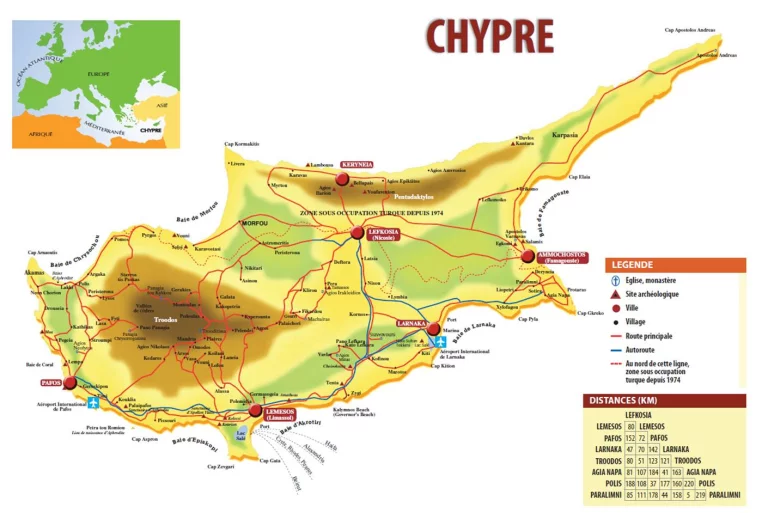
Location:
The third largest island in the Mediterranean after Sicily and Sardinia, Cyprus captivates visitors with its diverse landscapes: beaches, mountains, forests, traditional villages, and archaeological sites.
A member of the European Union since 2004 and the Eurozone since 2008, the island is easily accessible with just an identity card.
Getting there:
Direct flights from Paris and several provincial cities to Larnaca in the east and Paphos in the west
When to go?
Spring and autumn are the best seasons to discover Cyprus.
In spring, the island is covered in wildflowers, and the temperatures are ideal for hiking and cultural visits. In autumn, the sea remains pleasant until November.
Summer is very hot and dry, with temperatures that can become scorching.
Winter is mild on the coast, but wetter. In the Troodos Mountains, it's even possible to ski: an amazing feature that sometimes allows you to enjoy the snow in the morning and the sea in the afternoon!
Time difference
+1 hour compared to France.
Getting Around:
A rental car is the best way to explore the island at your own pace and access villages, monasteries, and less easily accessible natural sites.
Driving is on the left, a legacy of the British era. You'll adapt quickly; just be sure to pay close attention at roundabouts.
INFO
www.visitcyprus.com
The must-sees of Cyprus
Cyprus is an island to be discovered slowly,
deserving more than just a beach holiday. To truly experience its soul, you need to take the time to explore the villages, climb the mountains, stop at a taverna, and discover local traditions.
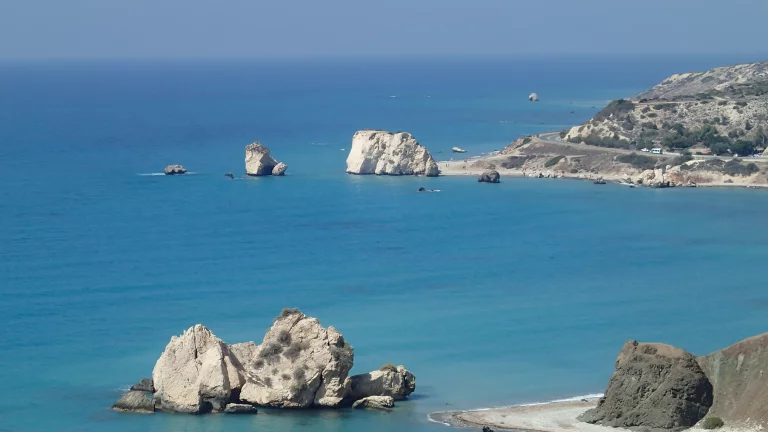
Larnaca and the east of the island
Larnaca is often the first stop, with its Saint Lazarus church, its archaeological museum and the Pierides collection.
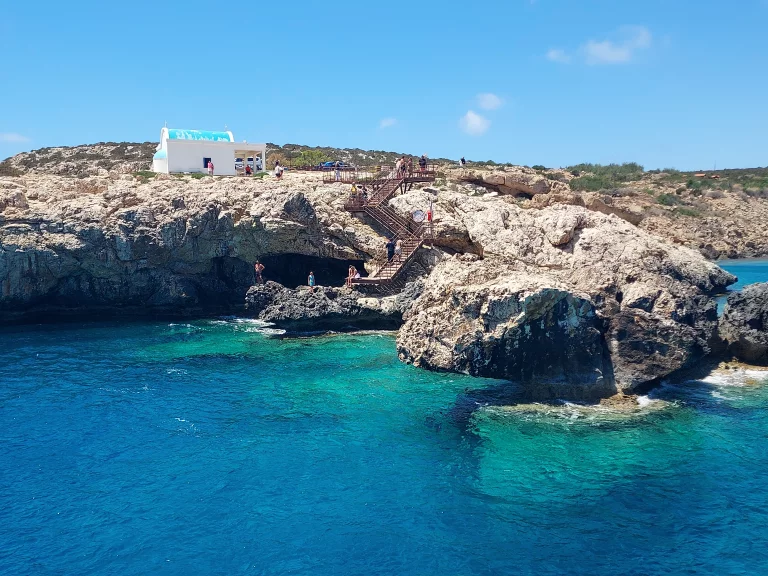
Further east, Ayia Napa offers much more than its famous beaches: the sculpture park, underwater museum and wild coves of Cape Greco are worth a visit.
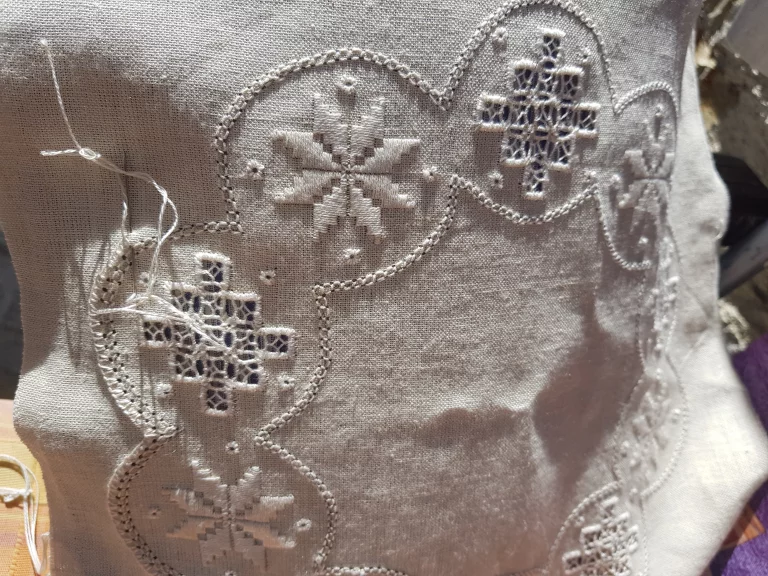
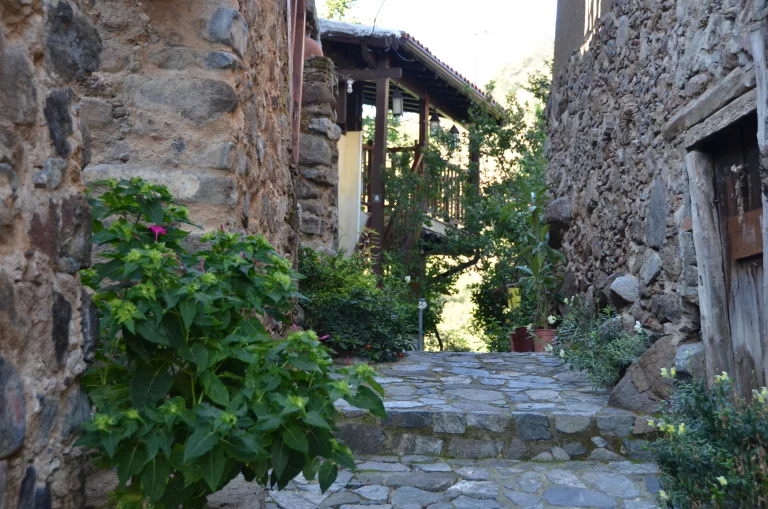
Lefkara , ranked among the most beautiful villages on the island, is famous for its traditional embroidery and silverwork. You have to leave the main street and lose yourself in the narrow alleyways to discover its charm.
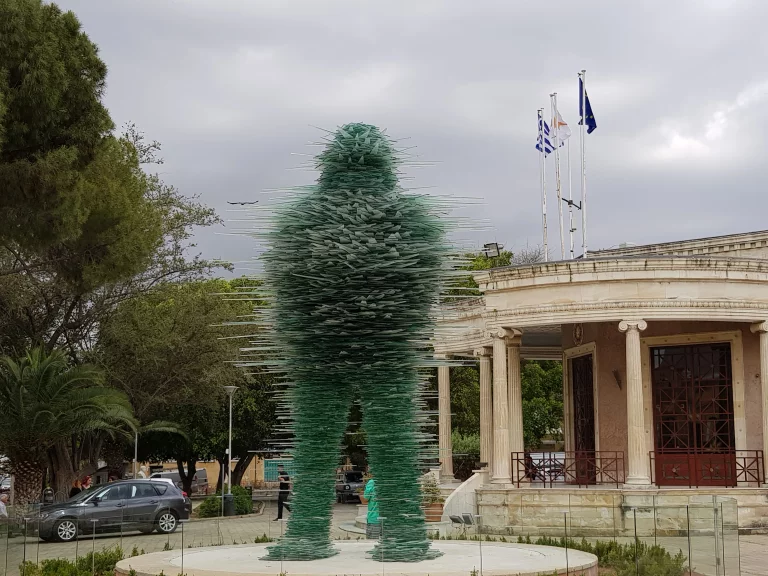
Nicosia, a unique capital
Nicosia , the last divided capital in the world since 1974, still bears the marks of a complex history. Behind the Venetian walls lies a charming old town, the archaeological museum, the Byzantine art museum, and numerous other relics of the past.
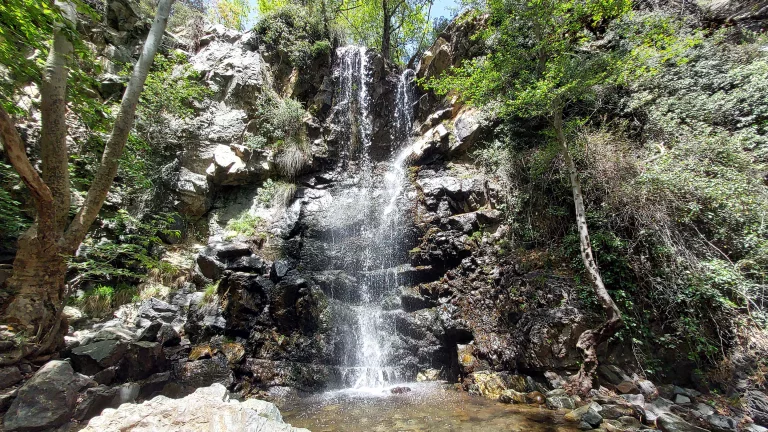
The Troodos Mountains
A true green lung of the island, the Troodos massif offers unexpected landscapes: forests, wine villages, hiking trails and hidden waterfalls.
It houses nine Byzantine churches with remarkable frescoes, listed as a UNESCO World Heritage Site. Their very simple exterior appearance, similar to that of barns, once allowed them to be protected from invasions.
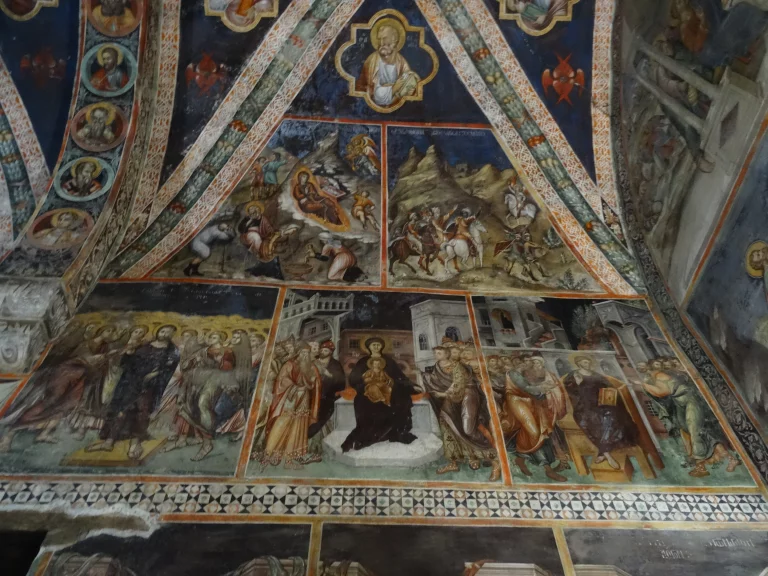
The Kykkos monastery , the most important in Cyprus, is also worth a visit.
The old mining terraces also recall the industrial history of the region: copper, asbestos and shale were long exploited in the Cypriot mountains.
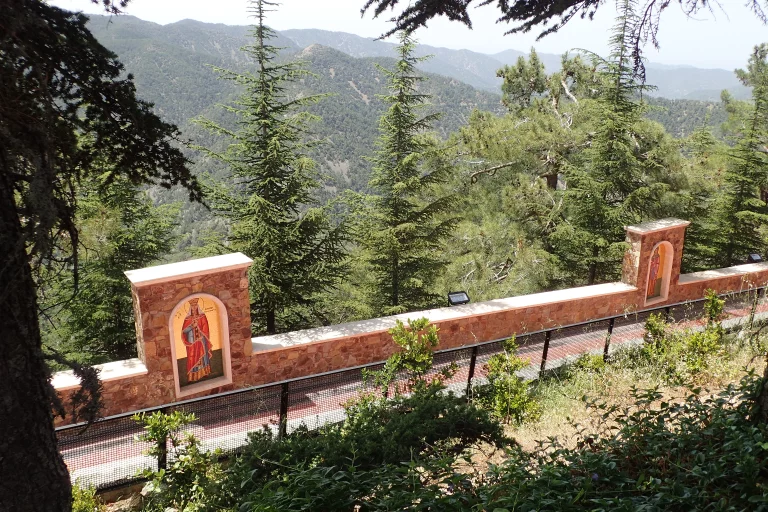
Paphos and the west coast: between mythology and nature
Paphos , an ancient city, is home to some of the island's most beautiful treasures.
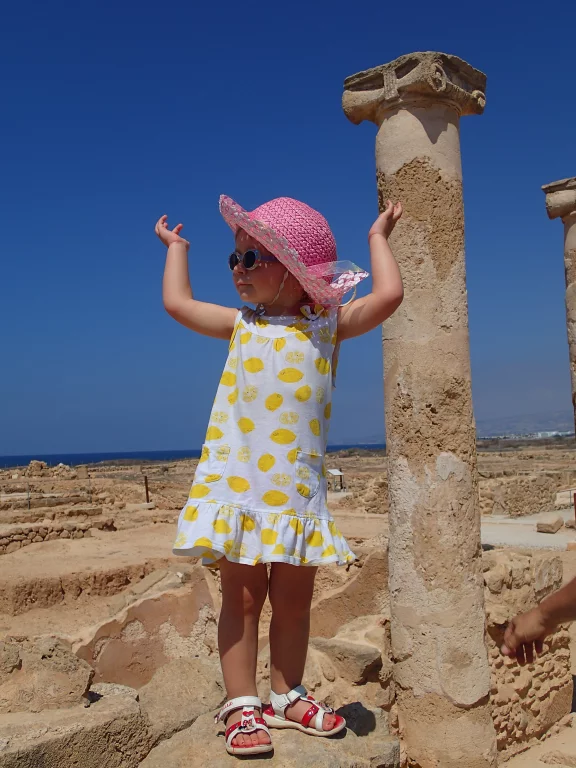
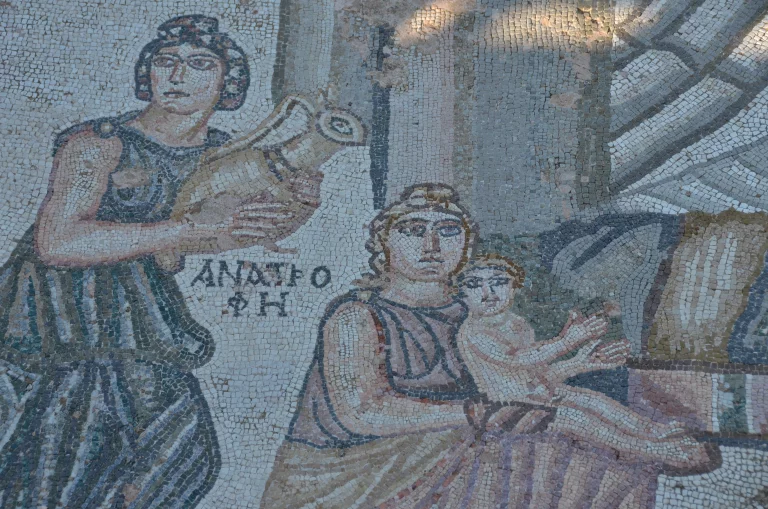
The vast archaeological park is a must-see: its Roman mosaics tell the story of Greek mythology like a giant ancient comic strip. A fascinating walk amidst villas, ruins, and tales of the Olympian gods.
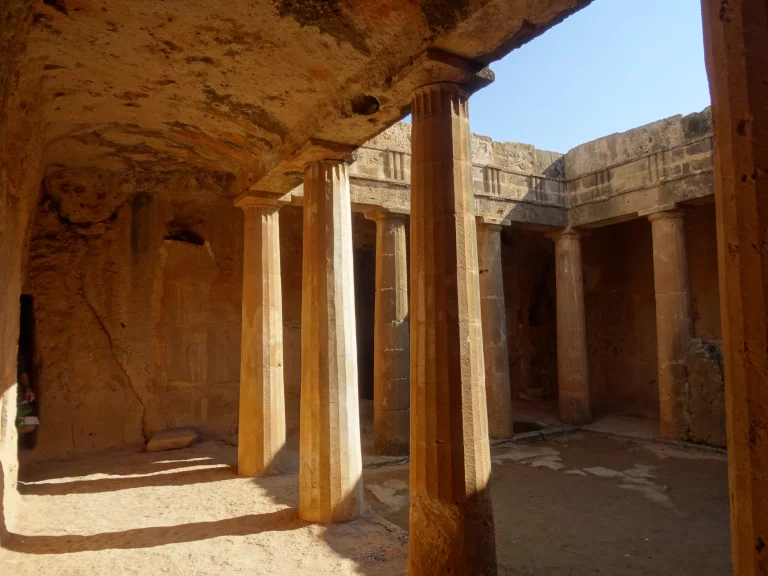
Right next door, the tombs of the kings can be explored in an adventurous spirit.
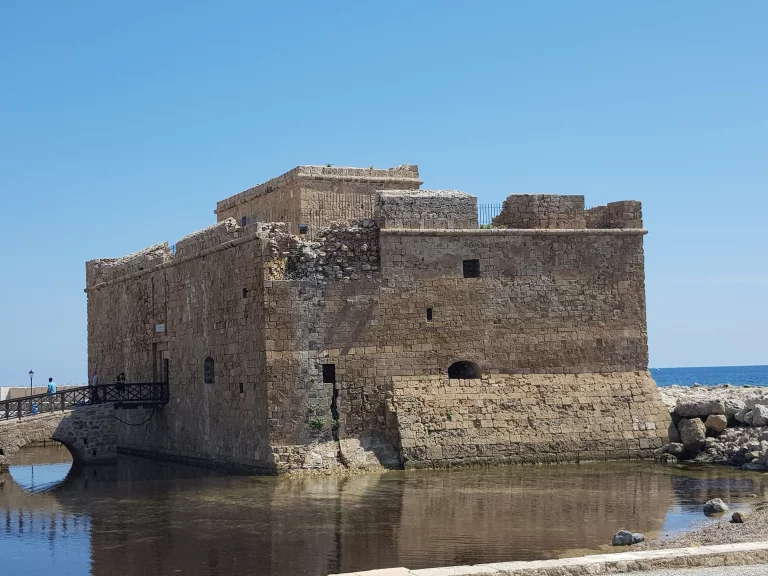
Nearby, the Ottoman fort overlooks the port and recalls the different periods of Cypriot history.
The region is also worth exploring for its natural landscapes. The Akamas peninsula offers magnificent hiking trails winding between cliffs, secluded coves, and Mediterranean vegetation. It's also a prime location for observing sea turtles.
The famous Bath of Aphrodite is most notable for its legend: according to tradition, this is where the goddess of love used to bathe. The place is pleasant, but the myth remains more impressive than the site itself.
A few kilometers away, the monastery and caves of Saint-Néophyte offer a spiritual respite in a peaceful setting.
Don't miss Geroskipou either , renowned for its traditional Turkish delight. At Artemis and Aphrodite, you can discover the artisanal production process and taste these iconic sweets.
Limassol and the south: history, vineyards and the sea
Located between the sea and the mountains, Limassol is an excellent base for exploring much of the island.
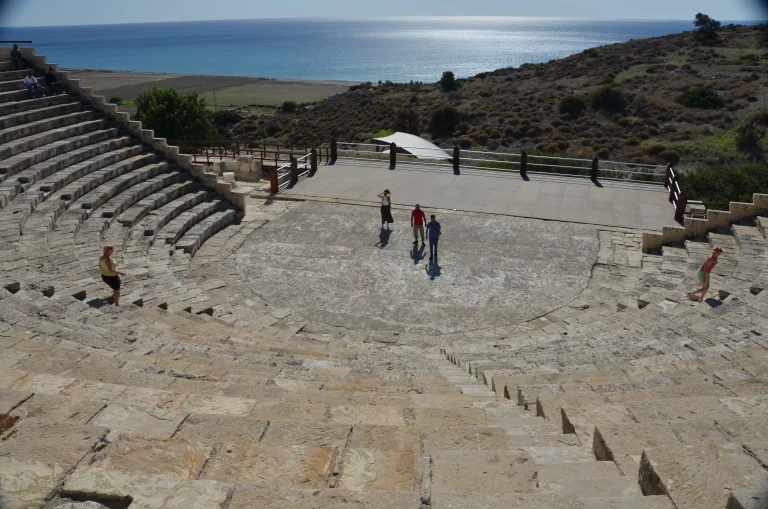
Just a few kilometers away, the ancient city-kingdom of Kourion offers a truly exceptional sight. Its ancient theater, overlooking the sea, is one of the most moving places in Cyprus. Attending a performance or concert on a balmy summer evening, facing a landscape thousands of years old, is an unforgettable experience.
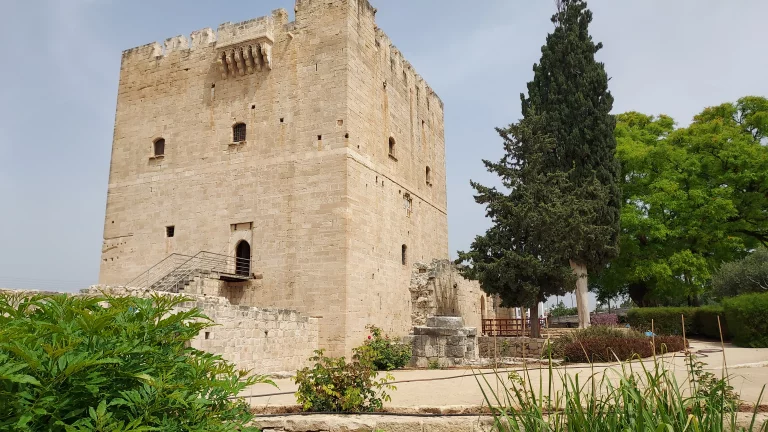
The region also preserves traces of the Templars with the fortified tower of Kolossi , an old medieval fiefdom surrounded by vineyards.
In the old town of Limassol, the castle-museum recalls the centuries of the island's turbulent history.
The surrounding area is appealing due to its diversity, including vineyards, orange groves, and traditional villages.
This short list is far, very far indeed, from exhaustive. The Cypriot hinterland is so vast that you discover new villages and landscapes with every visit. I never tire of it!