
At first glance, Romans-sur-Isère doesn't seem like the most obvious destination for a weekend in the Drôme. Yet, behind its old facades lies an extraordinary story. The story of a city that once shod the world and that managed to transform a major economic crisis into a remarkable opportunity for renewal.
When leather provided a livelihood for an entire city
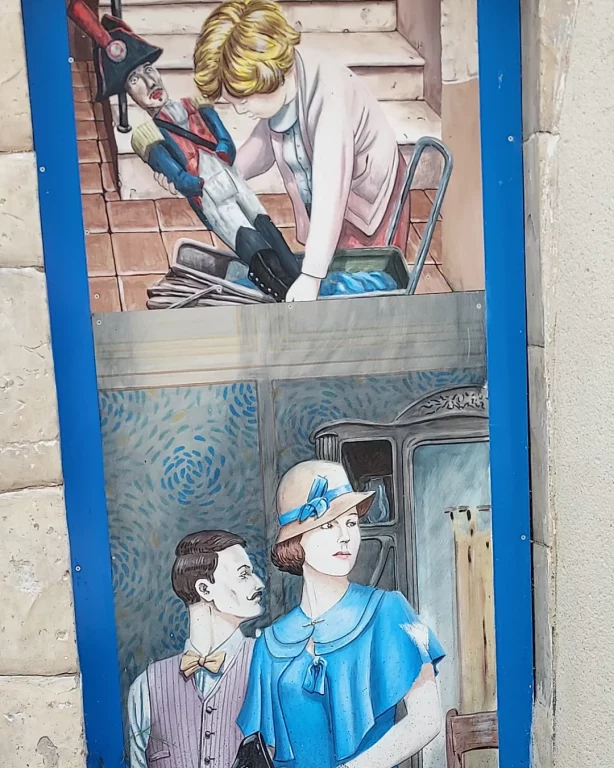
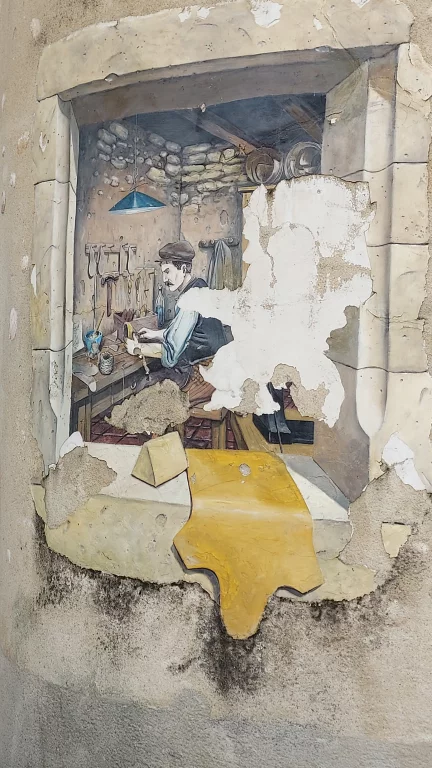
The history of Romans is intimately linked to leather. From the Middle Ages onwards, tanners, leather dressers and drapers settled there, attracted by the presence of the Isère river, essential for processing hides, and by the oak and chestnut forests which provided the tannins necessary for their transformation.
With industrialization, workshops proliferated, and the town gradually became one of France's major shoemaking centers. The quality of local leathers contributed significantly to its reputation. At the beginning of the 20th century, Romans entered the world of luxury thanks to Charles Jourdan, born in neighboring Bourg-de-Péage. His success soon attracted other prestigious designers, drawn by the excellence of local artisans.
At its peak, shoes were everywhere. In 1949, the city boasted nearly 200 workshops, directly or indirectly employing some 20,000 people. Manufacturers of heels, soles, boxes, and accessories all revolved around this flourishing industry. Until the 1980s, nearly half of the working population was employed in the shoe sector.
A reinvented city
When industry collapses under the weight of international competition and offshoring, Romans goes through a difficult period. But far from giving up, the city embarks on a profound transformation.
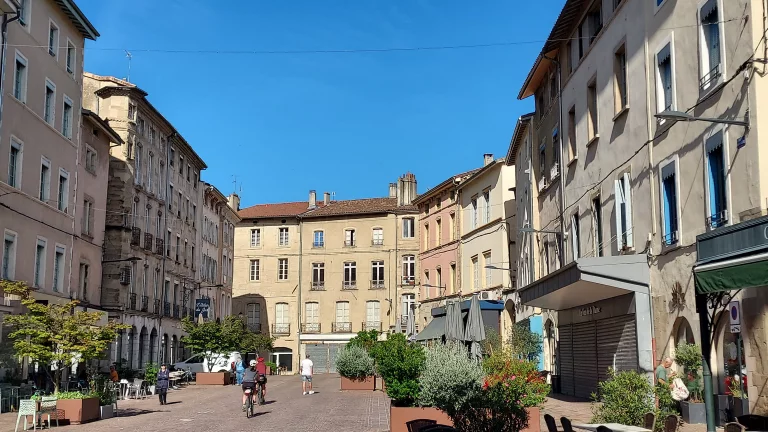
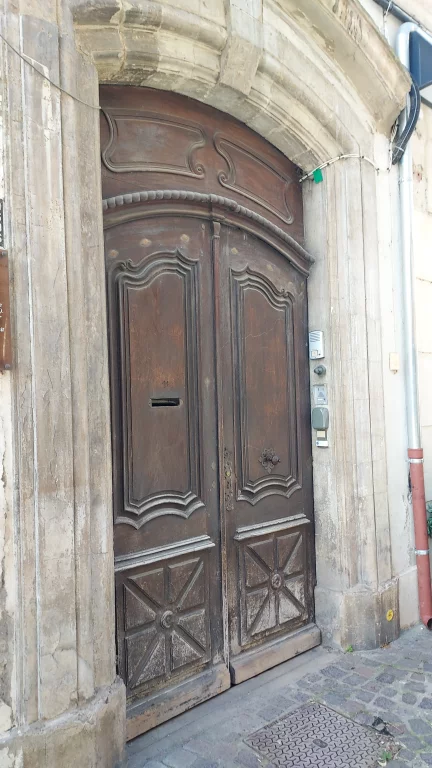
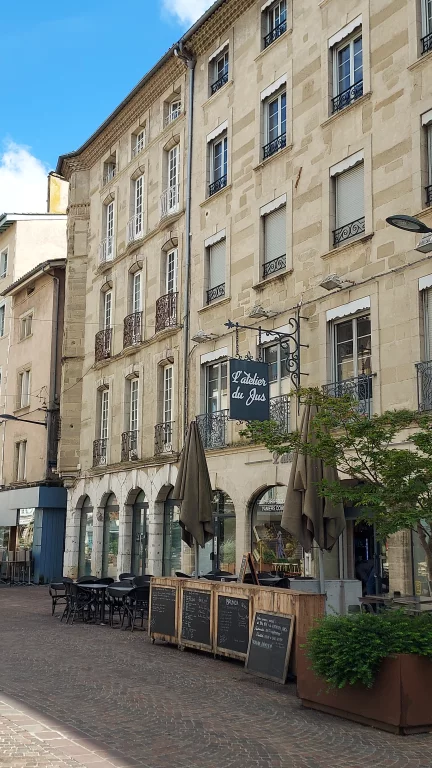
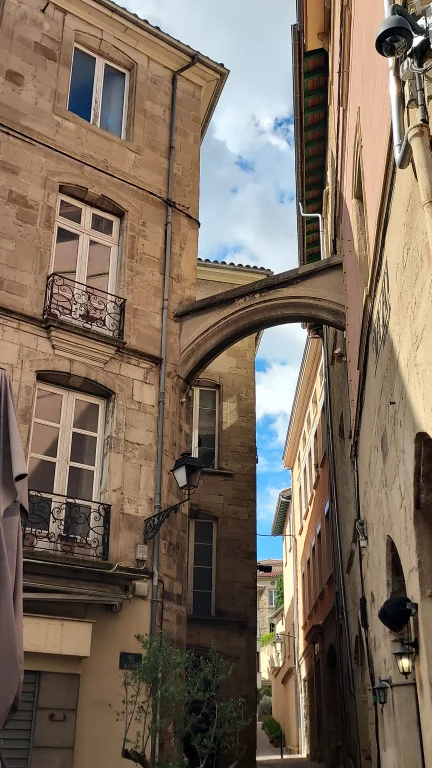
Today, Avenue Gambetta, the main thoroughfare, is lined with green spaces and cool islands that invite leisurely strolls. Descending towards the old town center, visitors discover a maze of narrow streets, lively little squares, and beautiful private mansions that bear witness to past prosperity.
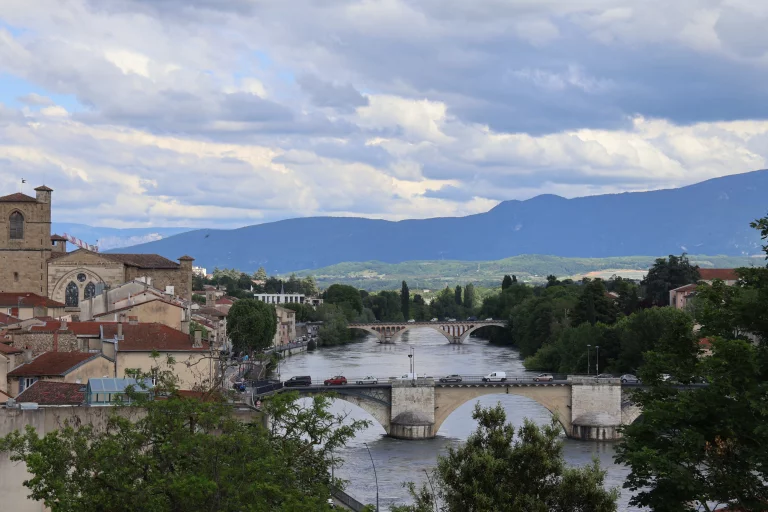
The walk naturally leads to the banks of the Isère, which separates Romans from Bourg-de-Péage. The name of the latter recalls its historical role: for centuries, the bridge linking the two towns was one of the main crossing points between Northern Europe and the Mediterranean countries, allowing for the collection of tolls on goods and travelers.
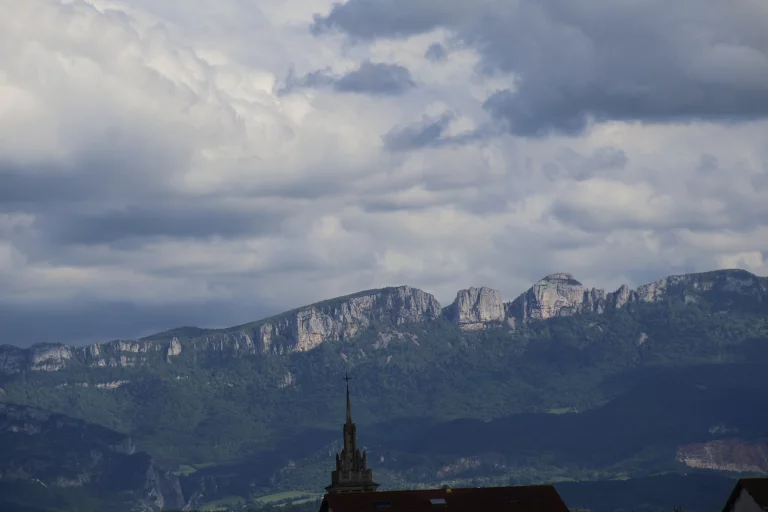
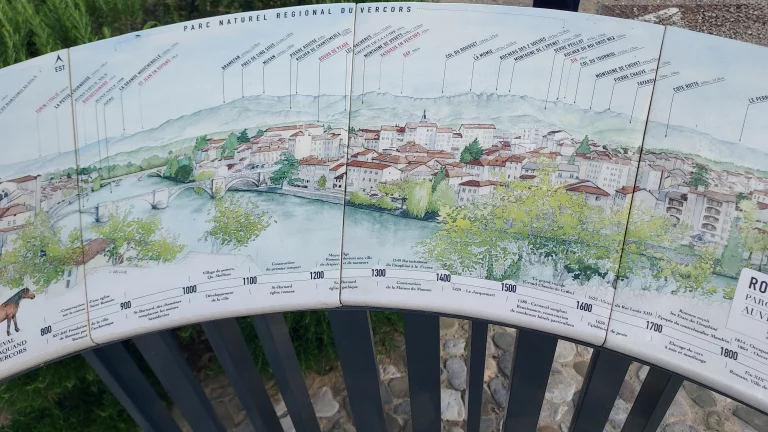
To take in the two sister cities at a single glance, simply go to the Saint-Romain viewpoint, one of the most beautiful viewpoints in the city.
Follow in the footsteps of the twelve giant shoes
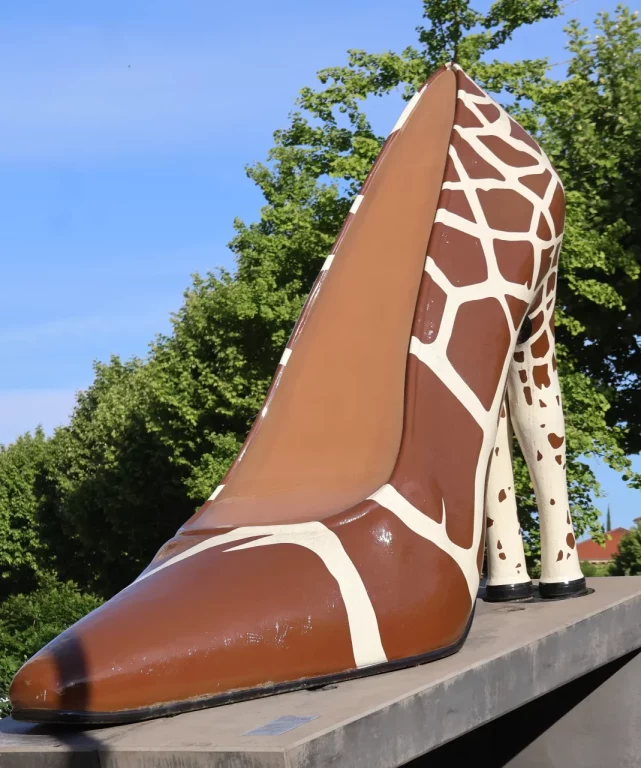
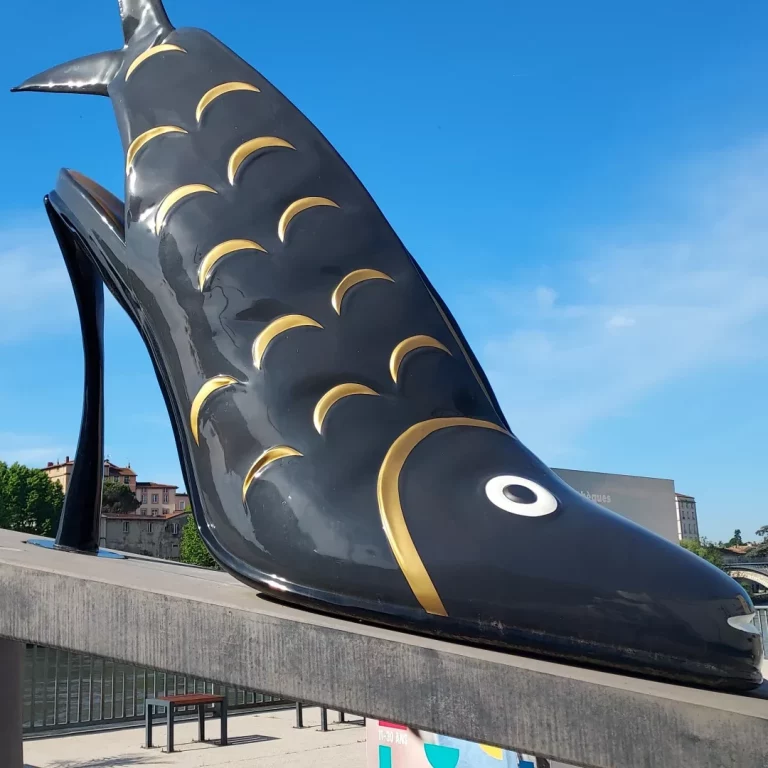
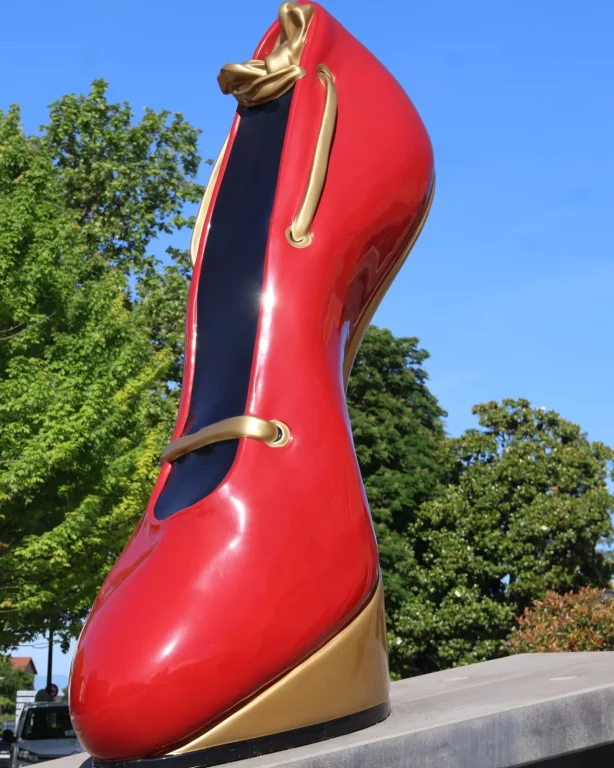
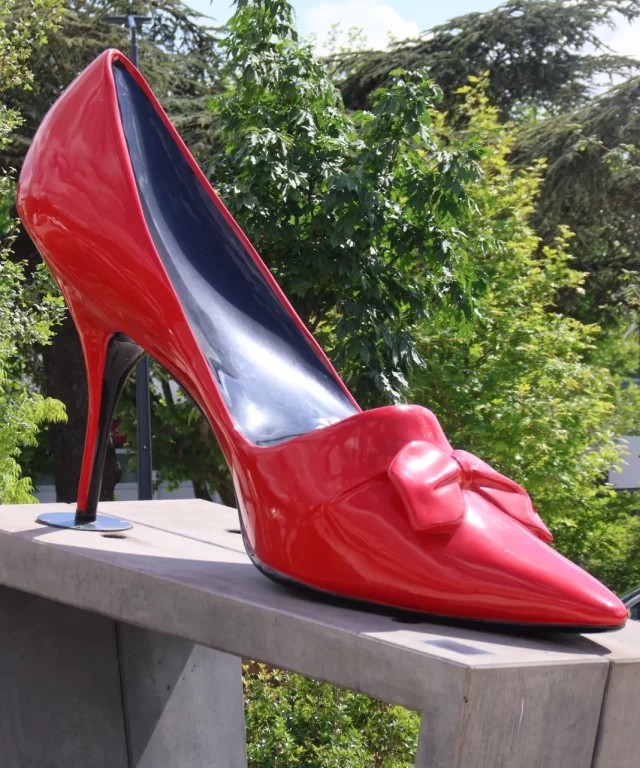
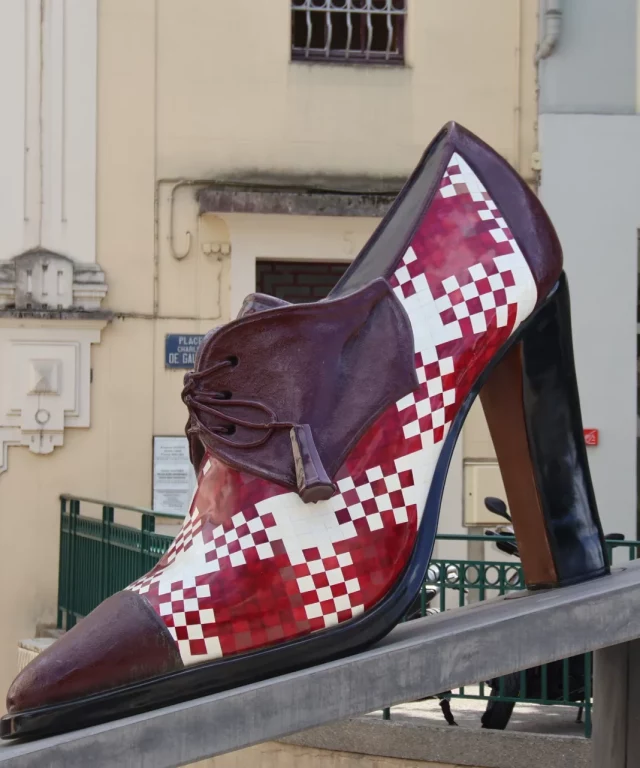
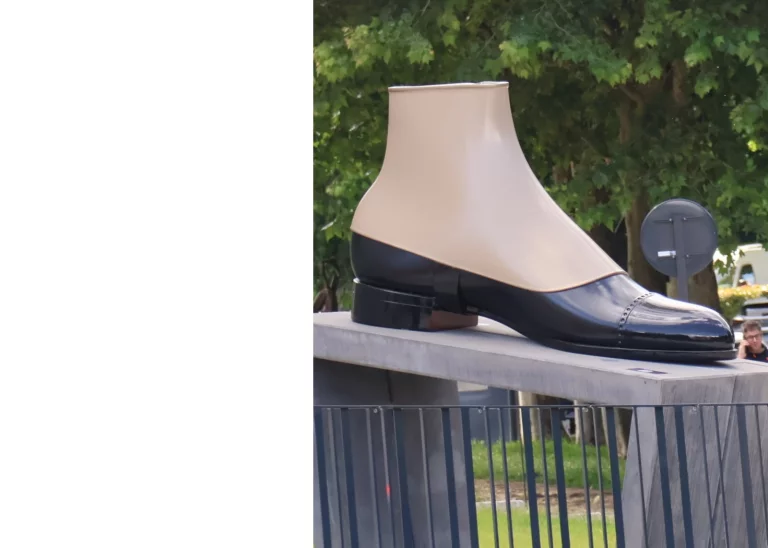
It's impossible to visit Romans without mentioning its most famous heritage. An original walking tour leads visitors through the city to discover twelve monumental shoes, each nearly two meters tall. Each sculpture faithfully reproduces an iconic model housed in the International Shoe Museum. From formal shoes to haute couture stilettos, these works mark a playful route that offers an unexpected perspective on the city. The tour begins at the tourist office, where a leaflet guides visitors through this unusual itinerary.
The must-haves
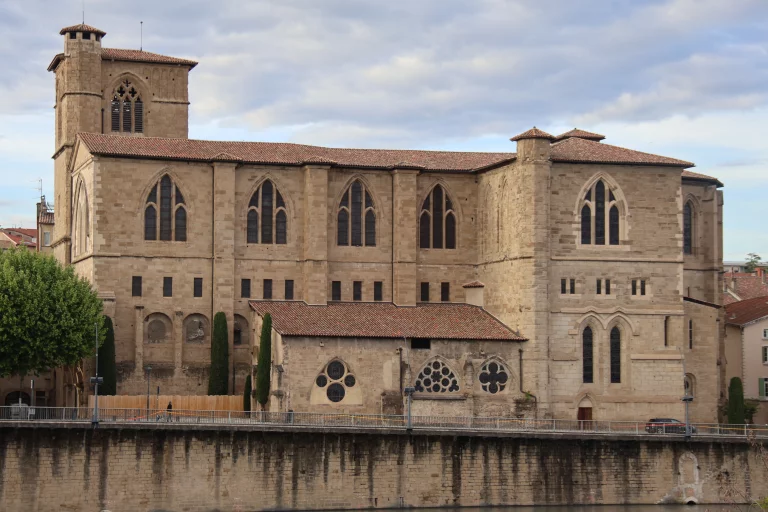
The Collegiate Church of Saint-Barnard
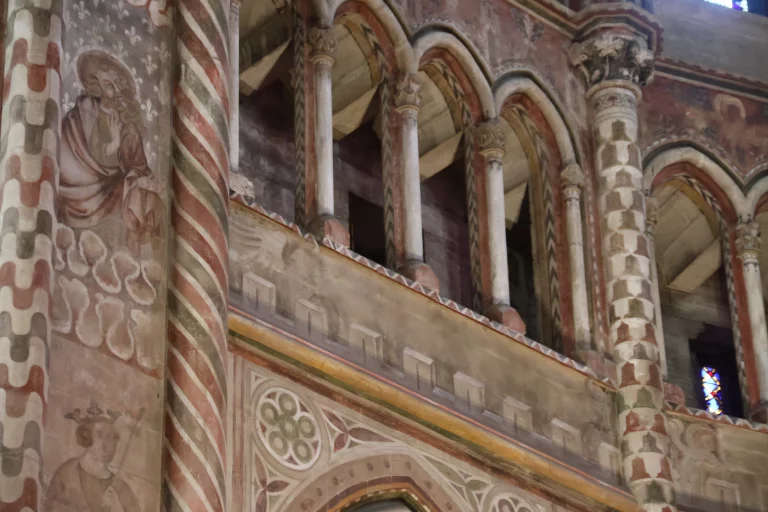
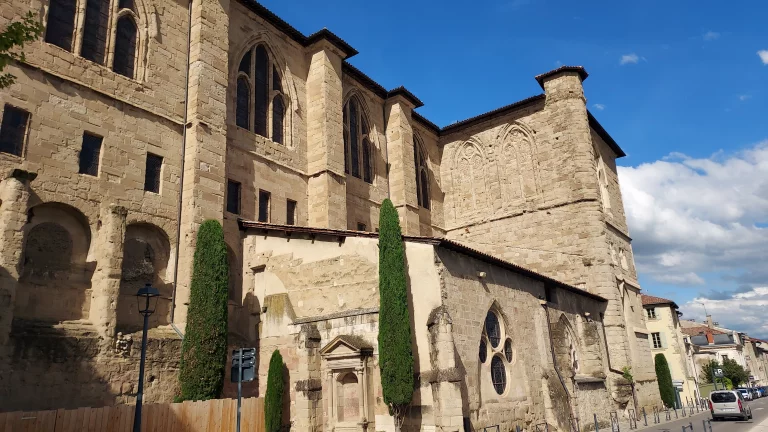
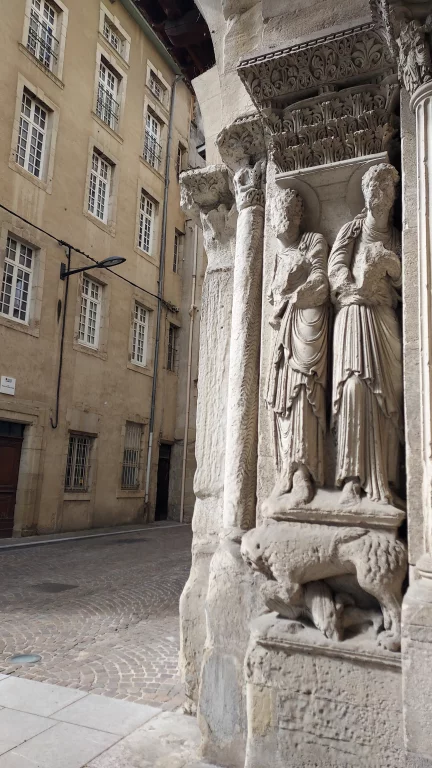
The collegiate church, the true historical heart of Romans, overlooks the banks of the Isère River. Built between the 11th and 15th centuries on the site of an abbey founded in 838 by Barnard, Archbishop of Vienne, it harmoniously blends Romanesque and Gothic architecture. Remarkable medieval murals still remain inside.
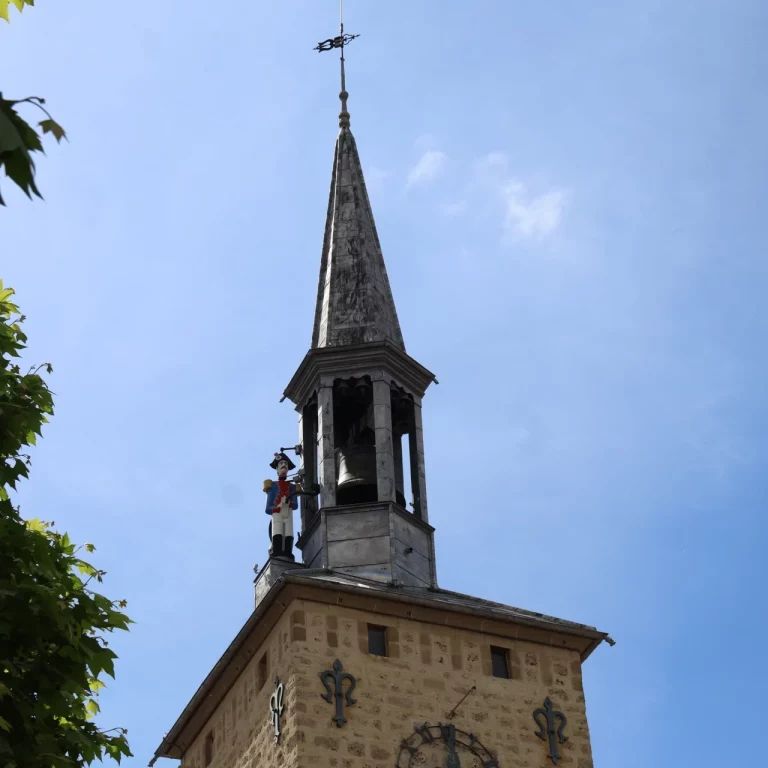
The Jacquemart Tower
For nearly six centuries, its clock has marked the rhythm of life for the people of Romans. Installed in 1429 in a 12th-century tower, it has become one of the symbols of the city.
The Sheep House
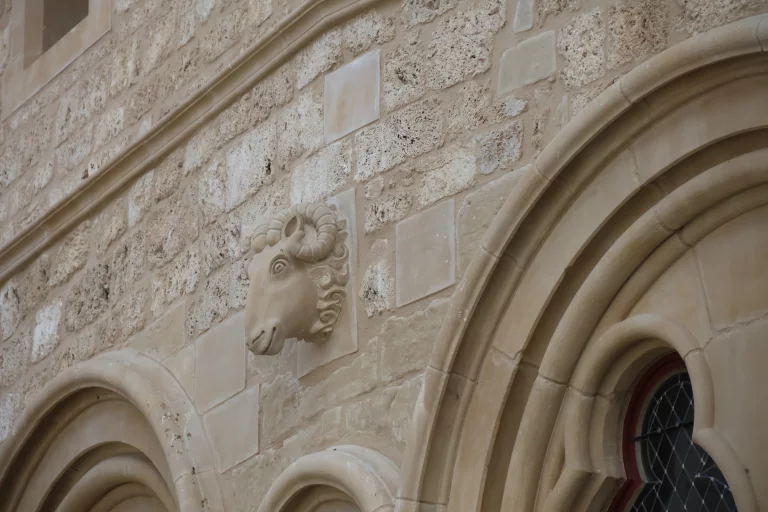
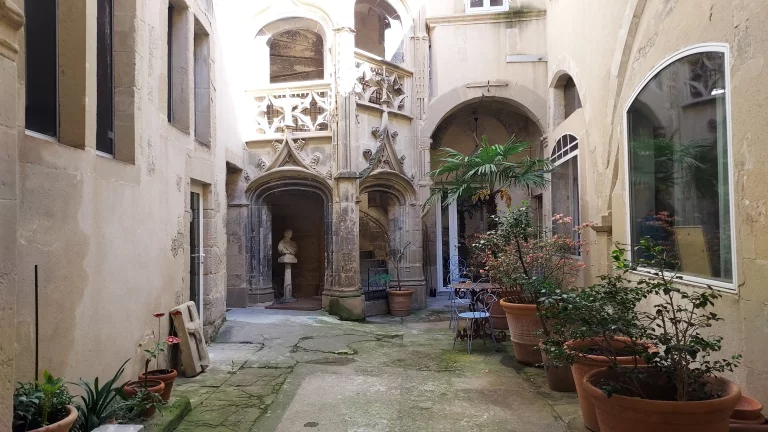
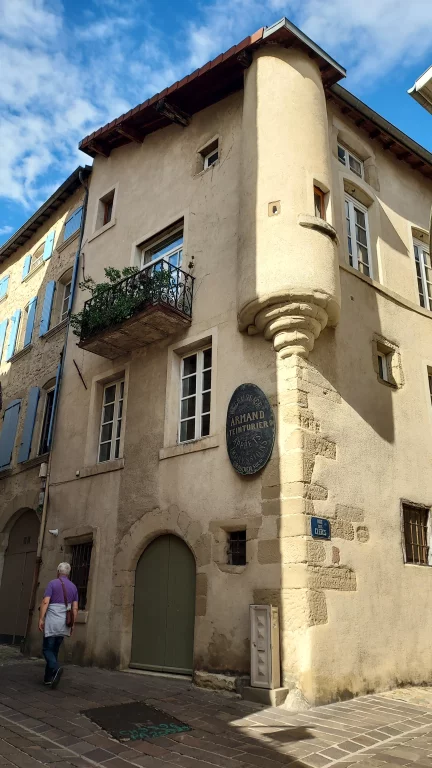
This elegant 15th-century residence is among the oldest medieval houses in Romans. Carefully restored, it now houses the Heritage Centre.
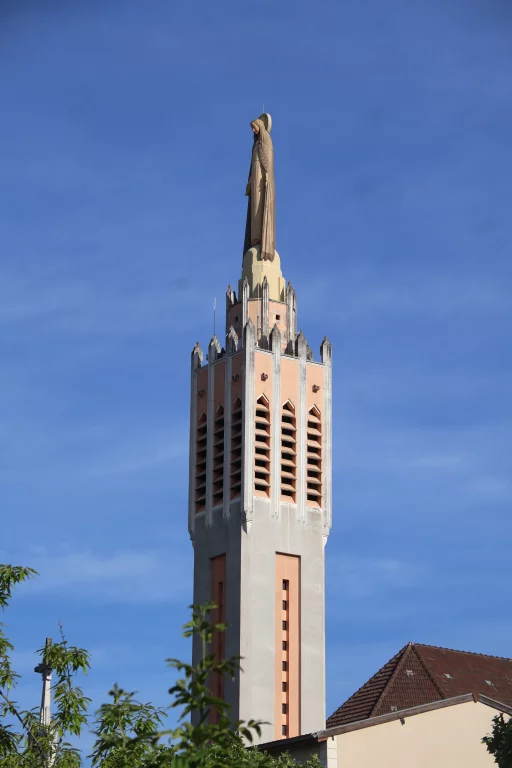
The Church of Our Lady of Lourdes
Built between 1937 and 1938, this striking reinforced concrete church is distinguished by its modern architecture. A monumental seven-meter-high statue watches over the city from the top of the bell tower. Inside, the pillars evoke a forest, while large frescoes illustrate the Stations of the Cross.
The International Shoe Museum
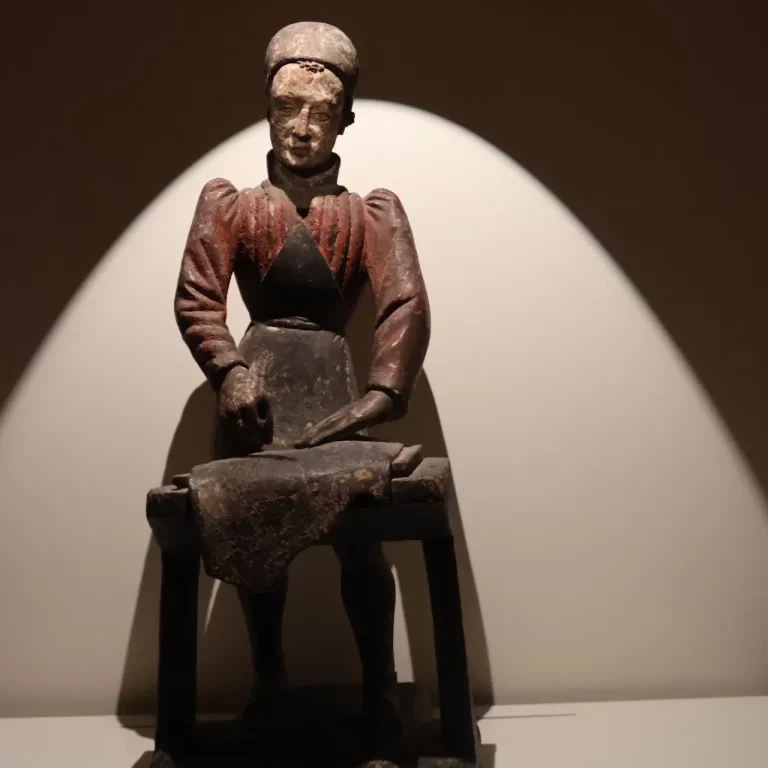
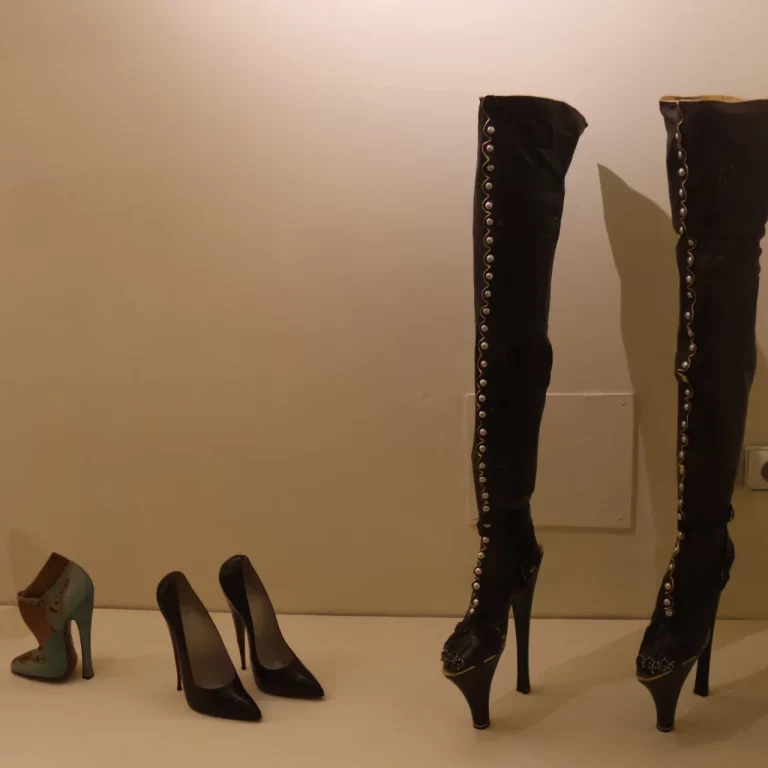
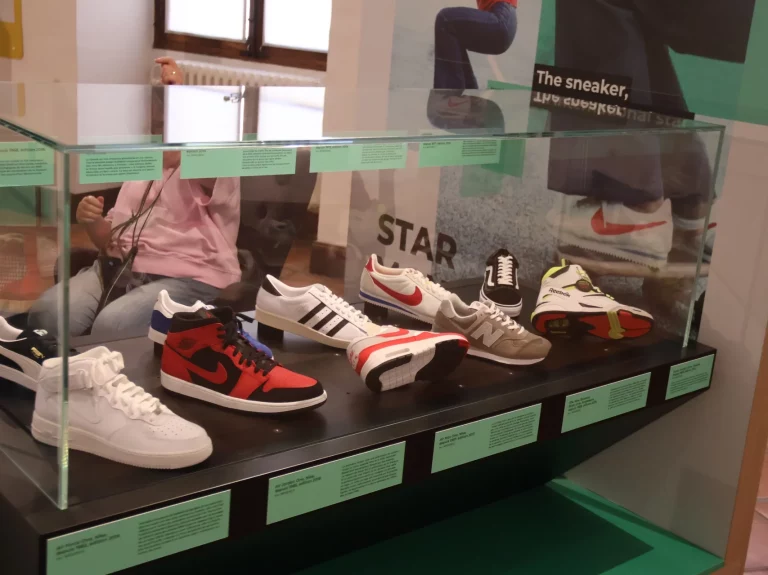
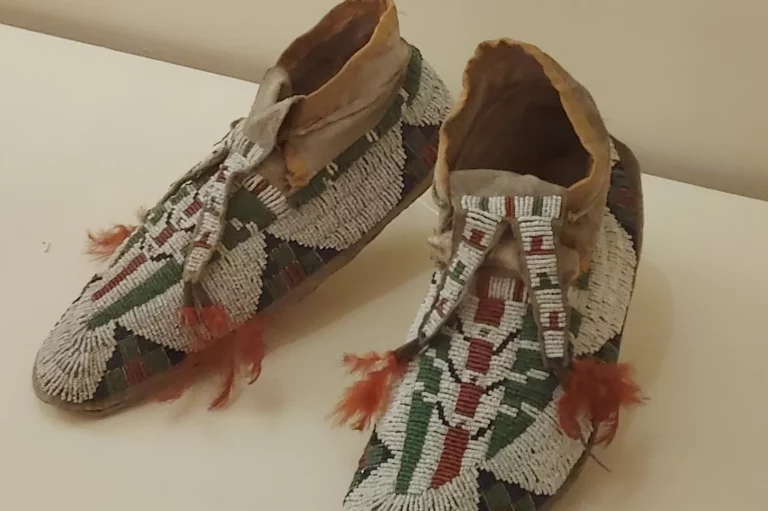
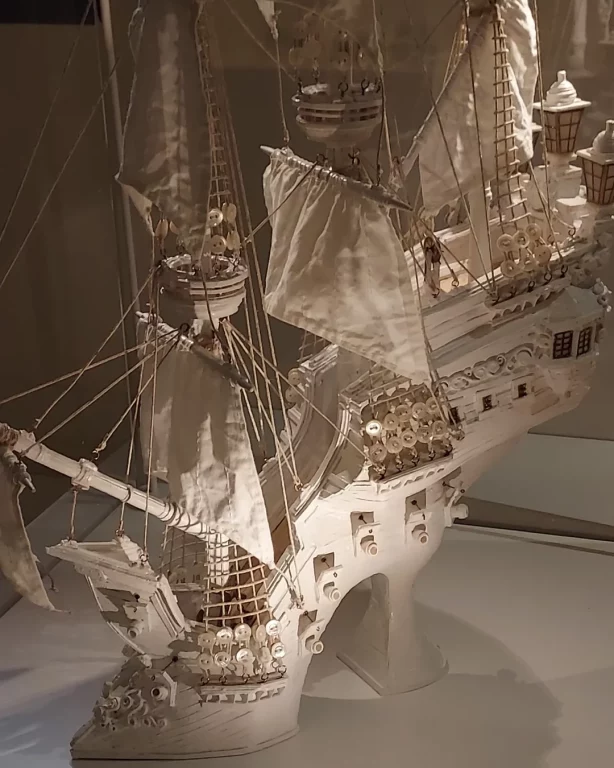
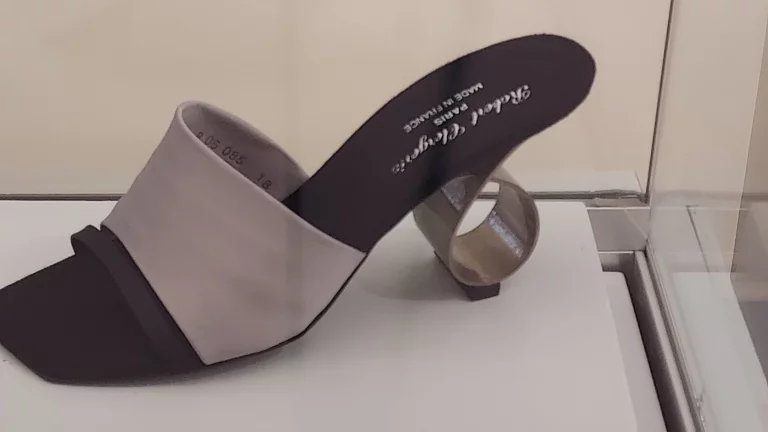
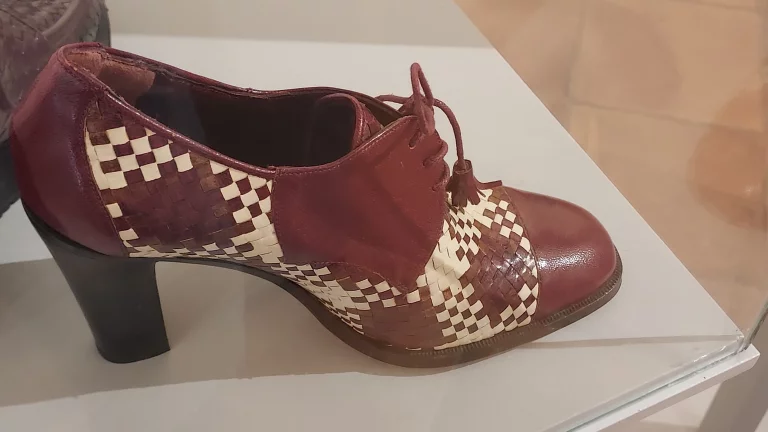
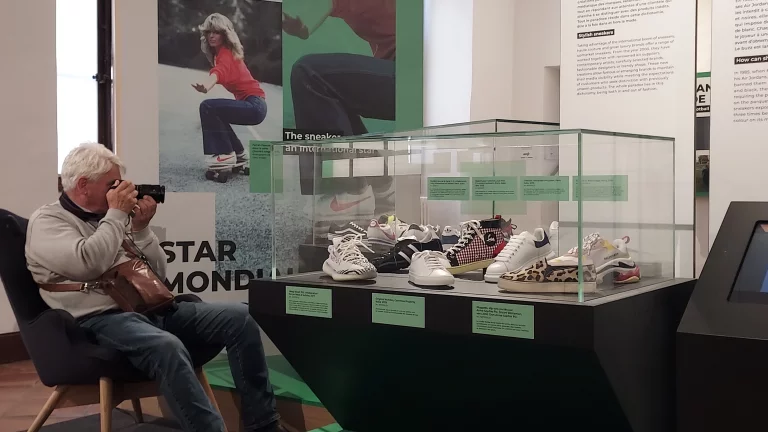
Housed in the former Visitation convent, this museum, unique in France, invites visitors on a 4,000-year journey through the history of footwear. From sandals of ancient Egypt to haute couture creations, the collections tell the story of fashion, customs, and societies through this universal object. Videos, illustrations, and anecdotes make the visit particularly engaging.

The flavors of Romans
In Romans-sur-Isère, heritage can also be tasted. The town proudly boasts two specialties that are part of its identity: pogne and ravioles du Dauphiné.
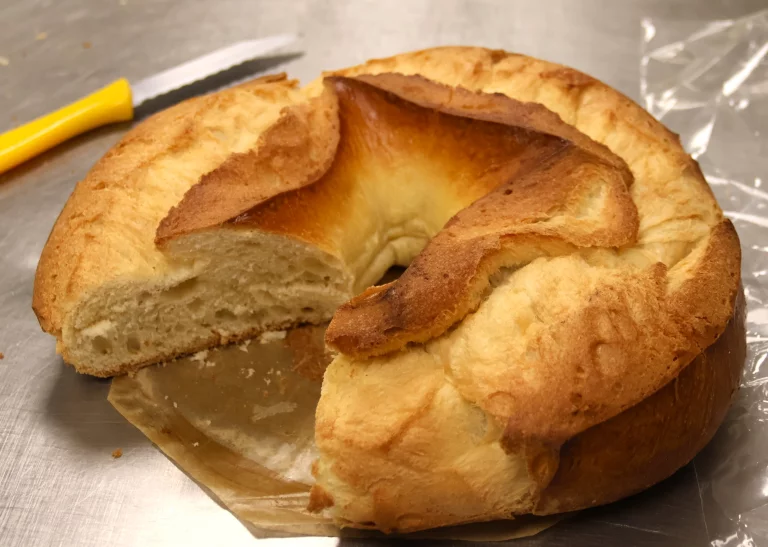
The first is a generous brioche in the shape of a crown, with a soft crumb and delicately flavored with orange blossom. Originating in the Middle Ages, the pogne was once prepared for major religious holidays. Even today, it is a popular accompaniment to breakfast or afternoon tea. Some bakers add a touch of Muscat de Rivesaltes, whose subtle aromas lend a more refined note than the traditional rum.
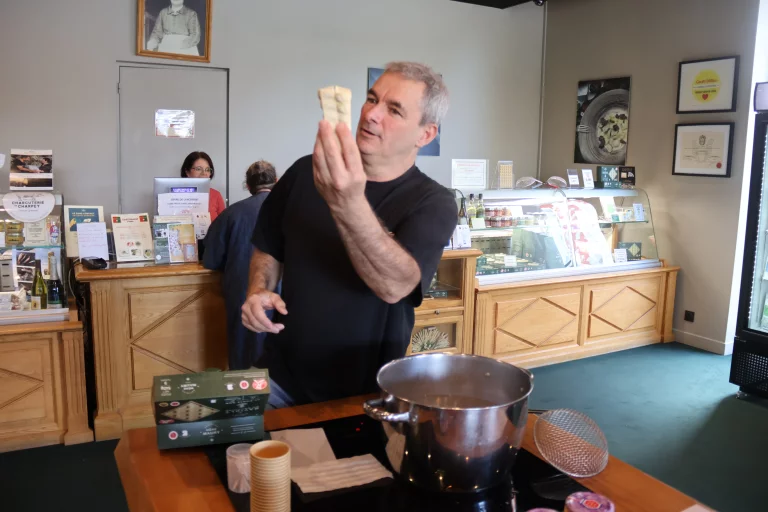
Another local emblem, ravioles from the Dauphiné region are small squares of thin pasta filled with fresh cheese, Comté cheese, and parsley. Their success stems as much from their flavor as from their simplicity: a few seconds in simmering water is all it takes to enjoy them. In Romans, two establishments have largely contributed to their renown: Mère Maury, whose recipe dates back to the 19th century, and Saint Jean, which has become one of the leading ambassadors of this specialty far beyond the region.
A favorite: the City of Shoes
The recent history of Romans is one of rebirth.
Starting in the 1970s, the first oil crisis, rising production costs, and international competition gradually weakened local industry. Relocations multiplied, low-priced shoes flooded the market, and factories closed one after another. For a town that had lived almost exclusively off this activity, the shock was immense. Unemployment skyrocketed, and the entire region teetered on the brink.
Faced with this situation, a remarkable movement of solidarity emerged. In 1987, the Archer association was created. Social workers, volunteers, business leaders, and local residents joined forces to create jobs and give the region a future. Over the years, the initiative grew and became a true local enterprise, committed to the values of the social and solidarity economy. Its ambition remains the same: to promote the economic, social, and sustainable development of the Drôme and Ardèche regions.
This human adventure can be discovered today at the Cité de la Chaussure, one of the most exciting visits in Romans.
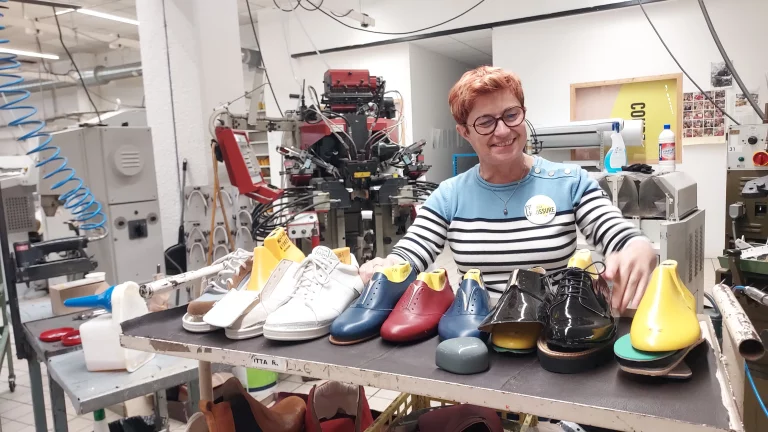
Ironically, those who had sworn never to hear about shoes again ended up helping to revive the industry. In 2012, Romans Cuir was created to pool the resources of numerous independent designers and preserve local expertise. Six years later, the Cité de la Chaussure (Shoe City) opened its doors to the public.
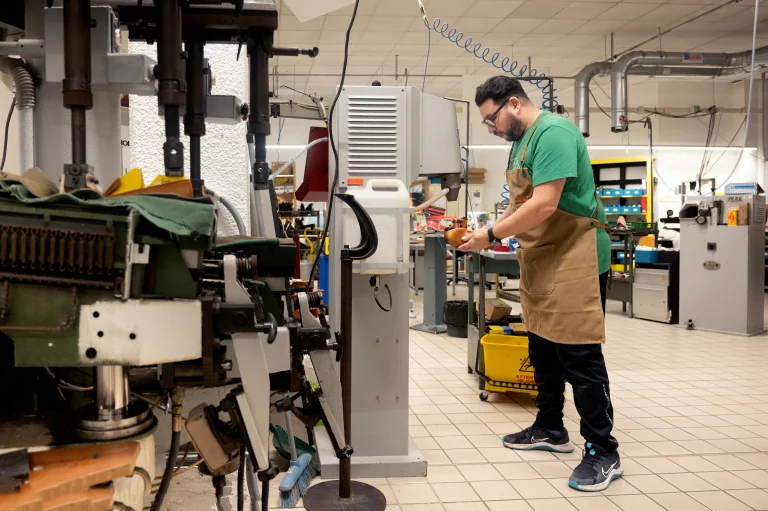
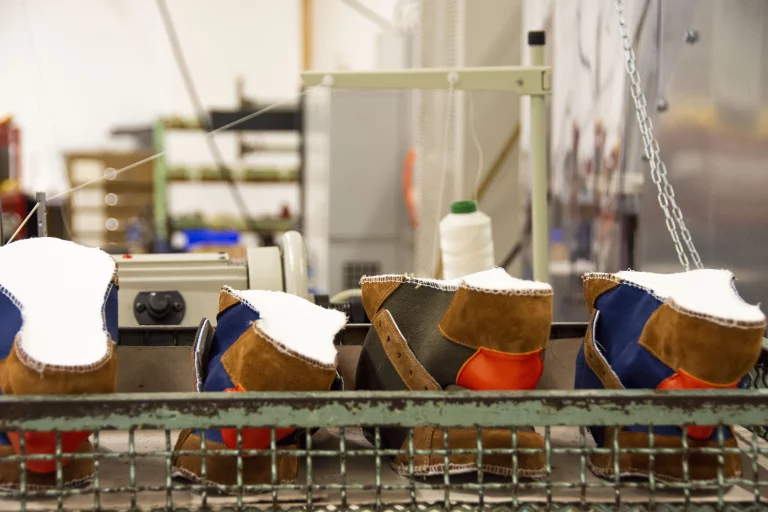
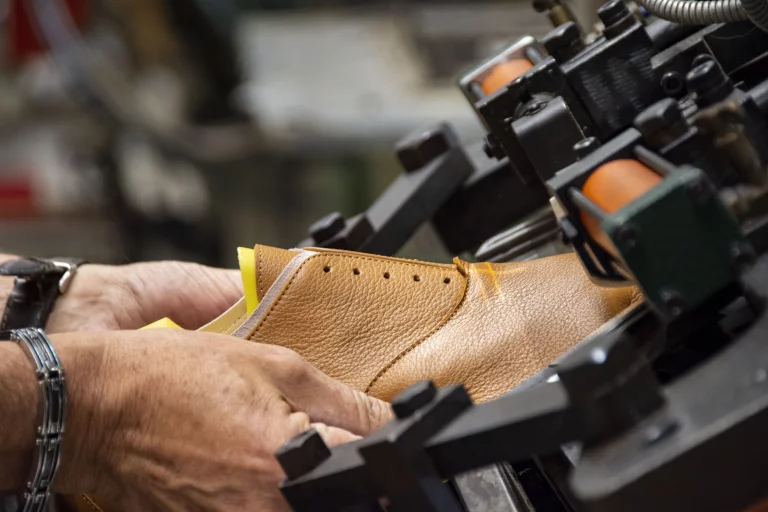
The tour offers insight into how an industry once thought to be doomed has been revitalized. In the workshops, visitors can observe the artisans at work and follow, step by step, the creation of a pair of shoes. Cutting the leather, stitching, assembling, mounting, finishing... more than a hundred operations are required before a pair of shoes leaves the workshop.
Beyond the expertise, the visit primarily tells a story of perseverance and passion. It's the story of a city that refused to definitively turn the page on its heritage and continues, even today, to walk in the footsteps of its prestigious past.
Practical information
Romans-Bourg-de-Péage Tourist Office:
Ideal starting point to discover the city, pick up the leaflet for the walk of the twelve giant shoes and organize your stay.
Don't miss it!
The Saint-Romain viewpoint offers a view of both cities.
The course of the twelve giant shoes.
The International Shoe Museum.
A tasting of pogne and ravioli.
A weekday visit to the Cité de la Chaussure (Shoe City) to see the workshops in operation
Sleep in
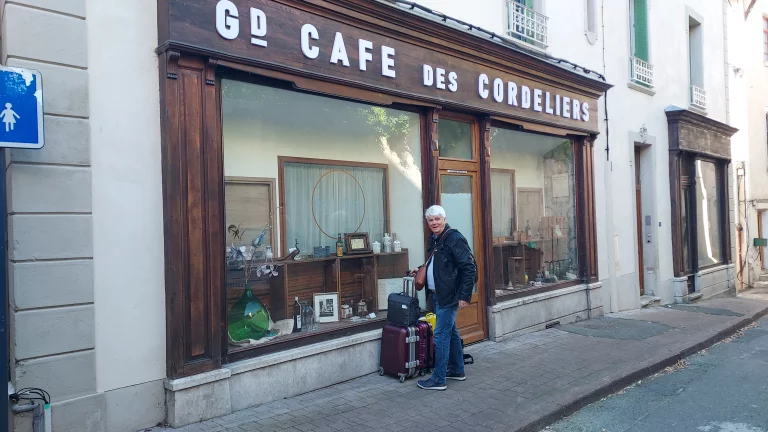
a Bed In Shop – What if you spent the night in a former shop? It's a unique experience made possible by François-Xavier Chambost's brilliant idea: revitalizing the historic center by transforming vacant shops into unusual accommodations.
Bed In Shop , a concept to discover. www.bedinshop.fr
bedinshop@gmail.com
+33 6 16 64 44 73
L'Orée du Parc - A charming 4-star hotel (16 rooms) in a former bourgeois house and an adjoining pavilion. Hidden behind the hotel is a park bordered by century-old cedars and linden trees. Heated outdoor swimming pool. 6 Avenue Gambetta - 26100 Romans-sur-Isère; Tel: +33 (0)4 75 70 26 12 contact@hotel-oreeparc.comhttps://www.hotel-oreeparc.com/fr/
Dinner:
Gourmet dinner at Echo by chef Etienne Borde, 18 Rue du Dr Eynard, 26300 Bourg-de-Péage. Tel. +33 (0) 4 75 48 45 65; echo-restaurant.com
Snacks:
La Pogne , at the La Pogne bakery, 64 Place Jean Jaurès, 26100 Romans-sur-Isère.
Ravioli : at La Cité de la Raviole, 33 Boulevard Gabriel Péri, Romans-sur-Isère, tel. +33 (0) 4 75 70 03 59
Romans, the revenge of a city
Long a symbol of French luxury, Romans-sur-Isère could have remained trapped by its industrial past. Instead, it chose to turn it into a strength. Between its medieval heritage, culinary traditions, and reinvented expertise, the town now offers a getaway that is as original as it is captivating. A destination that proves it is sometimes possible to transform the scars of history into a true engine of rebirth.