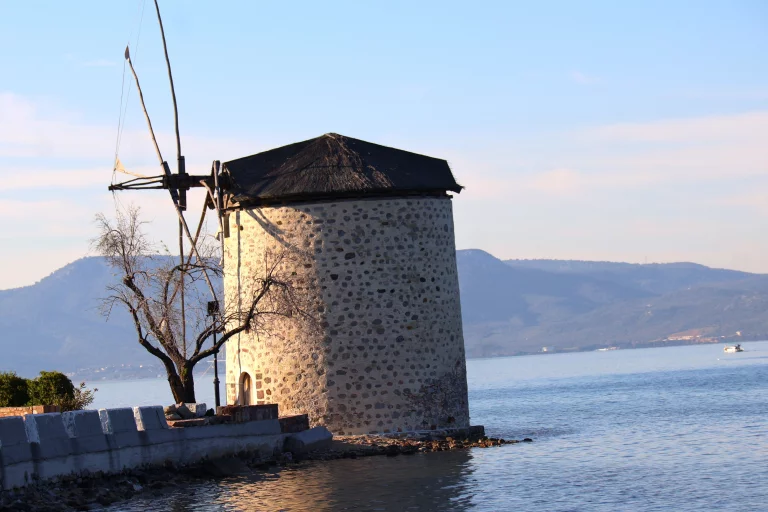
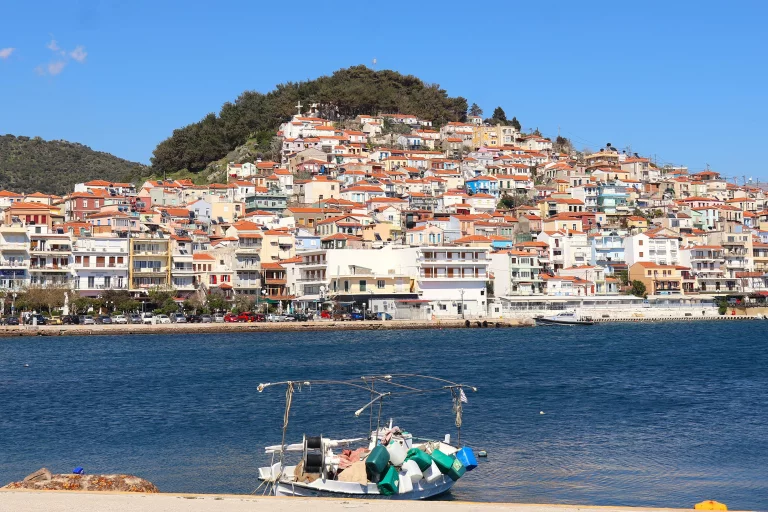
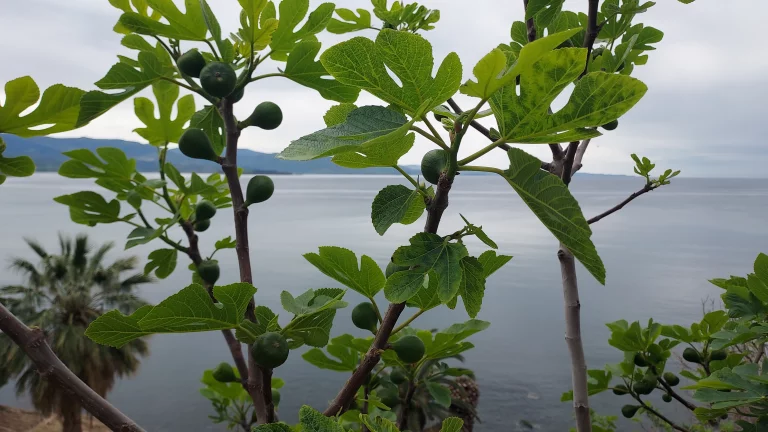
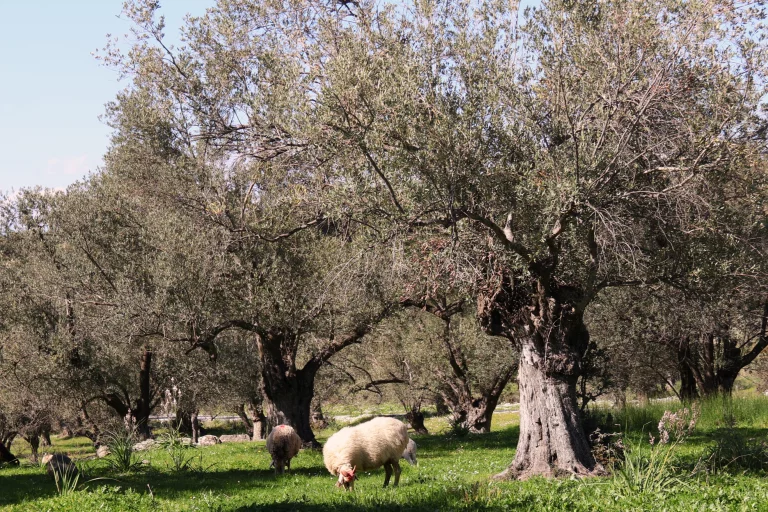
The Emerald Isle truly lives up to its nickname: over 60% of its surface is green in all its shades. Millions of olive trees, fruit trees, and vast forests of Mediterranean pine, chestnut, and oak cover more than 60% of its land. Sheep and goats roam freely in expansive pastures, forage on the bare volcanic hills, and wander through the scrubland. Two gulfs create additional biotopes, particularly prized for birdwatching, notably in the bay and salt marshes of Kalloni. More than 100 species of migratory birds stop over here in spring and autumn.
The island's flora and fauna delight lovers of unspoiled nature. Lesvos is even considered a botanical paradise. All these natural treasures have been preserved because Lesvos has managed to remain authentic. A term often overused elsewhere, but one that perfectly describes this island. Far from the stereotypes of small Greek islands with their white and blue houses, the villages and small ports reveal their warm souls. Even the island's capital, Mytilene, exudes an unexpected charm.
With an area of 1,630 km², including 320 km of coastline (there are beaches everywhere!), it's best to plan several stops to explore the whole island without covering long distances every day. This is especially true since there are no highways or other major roads, the island is mountainous, and speeds on the winding roads are necessarily reduced. Mytilene in the east (near the airport), Petra in the north, and Eressos in the west are ideal locations for exploring the island.
Mytilene, the captivating capital
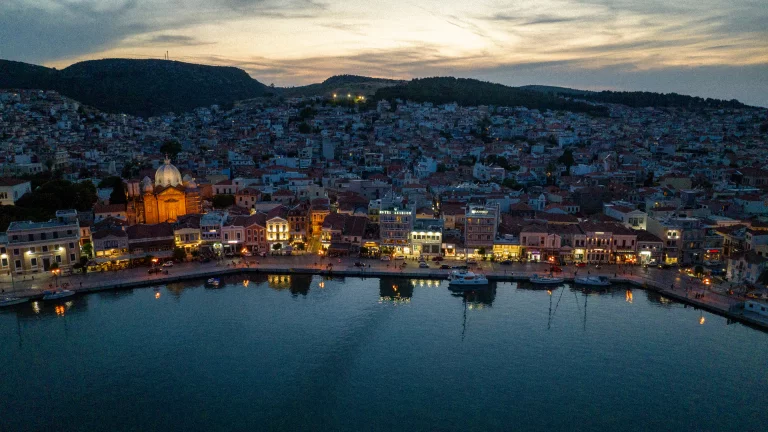
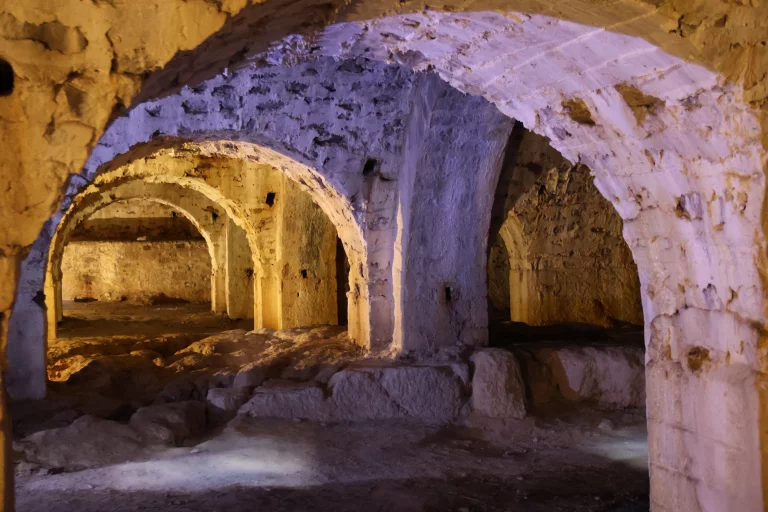
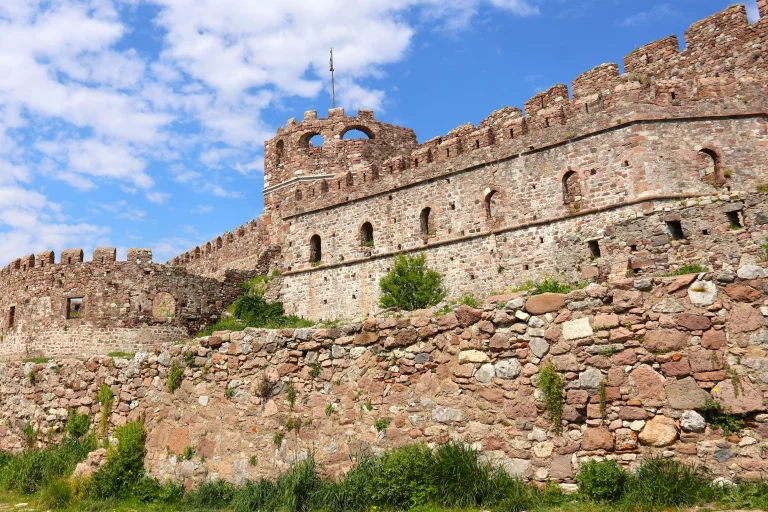
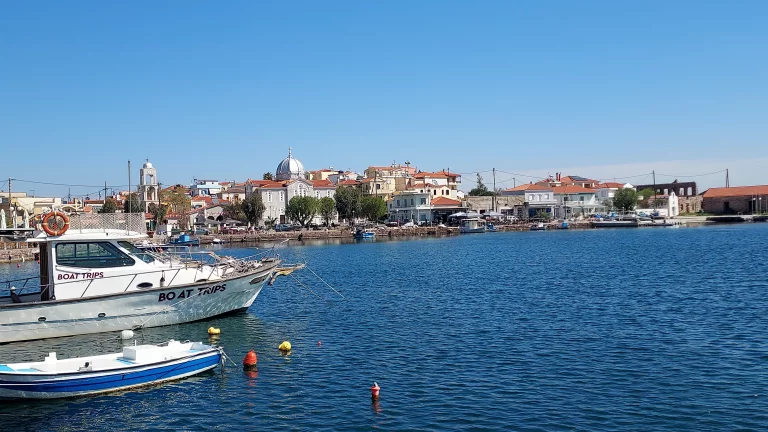
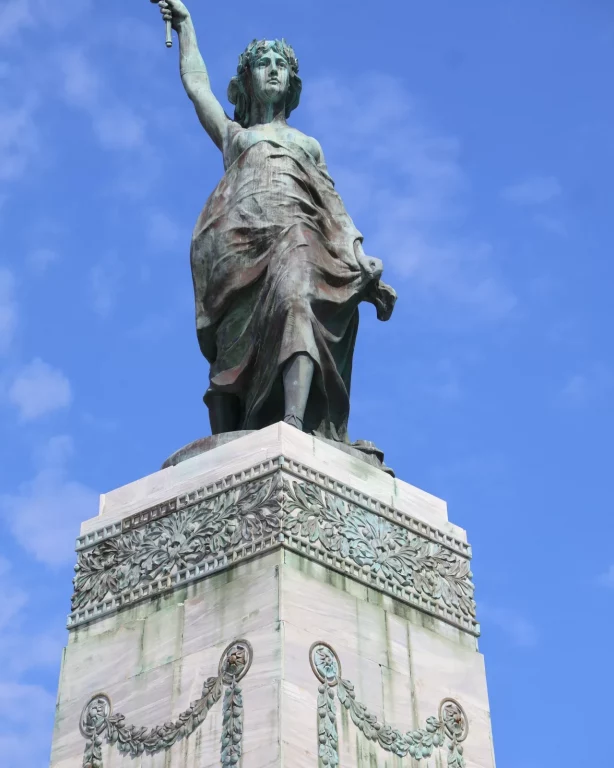
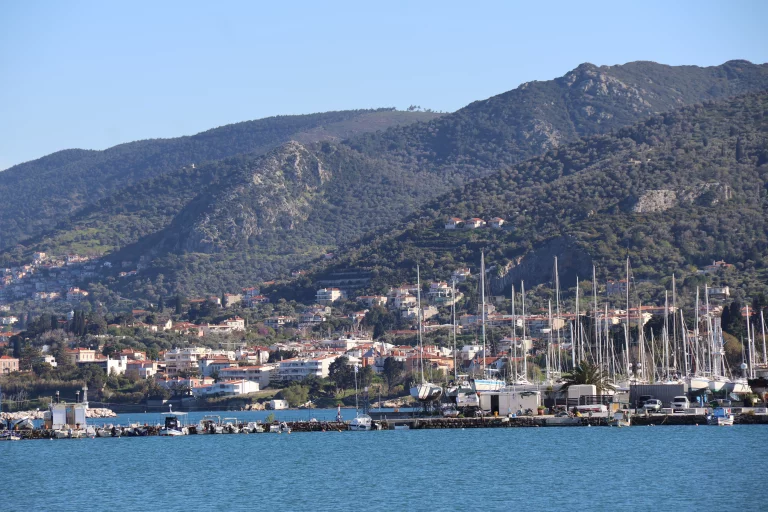
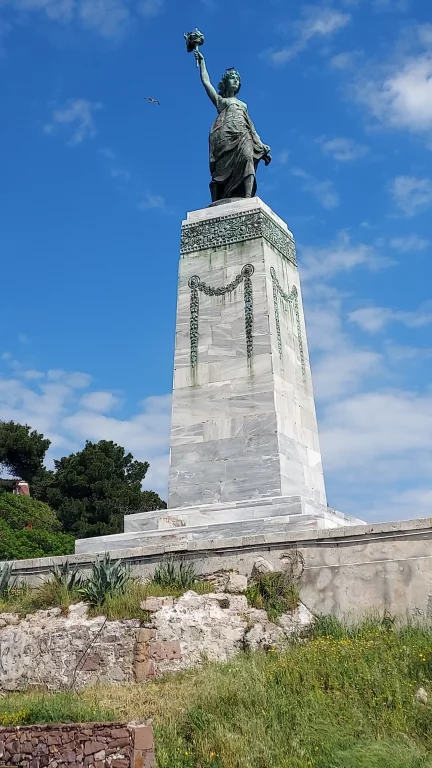
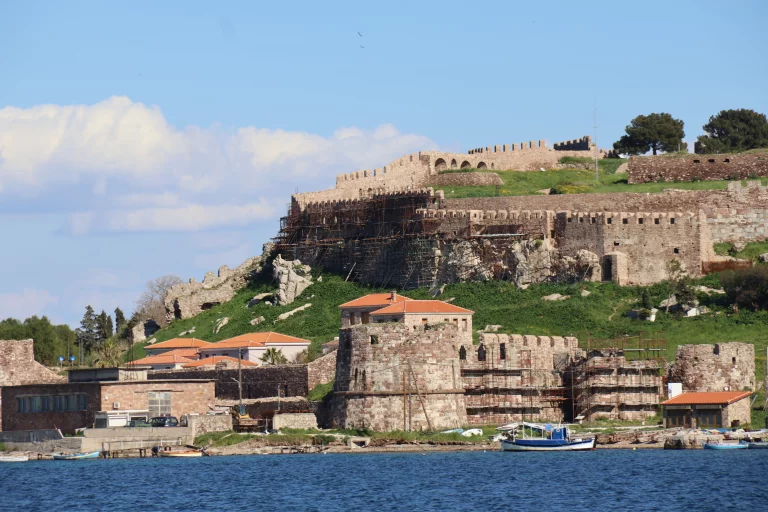
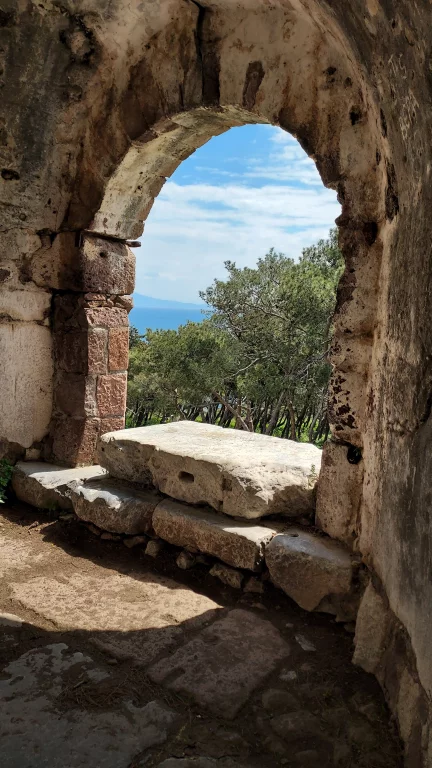
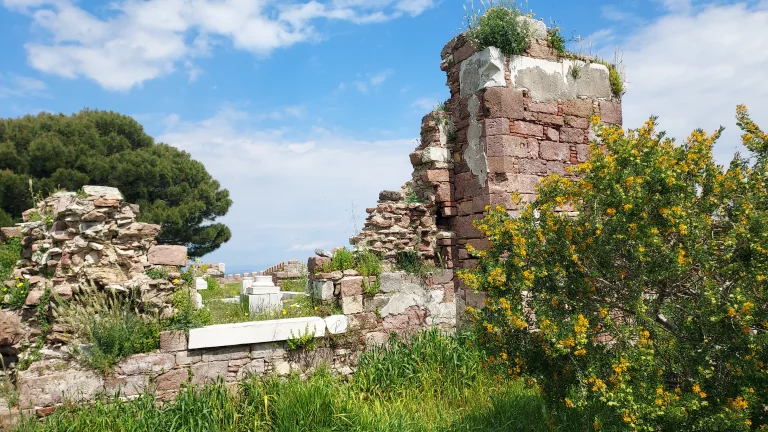
It's hard to resist Mytilene and its friendly atmosphere. The entire town center is easily explored on foot. The promenade that follows the bay in a semicircle to the Statue of Liberty invites you to stroll before heading up to the Venetian fortress, one of the largest and best-preserved in the Mediterranean. It was built in the 6th century by Emperor Justinian I and expanded by the Genoese in the 14th. The site covers 6 hectares, and extensive renovations are breathing new life into the various buildings, which now host numerous cultural events. To explore the vast catacombs, it's best to turn on your mobile phone's flashlight!
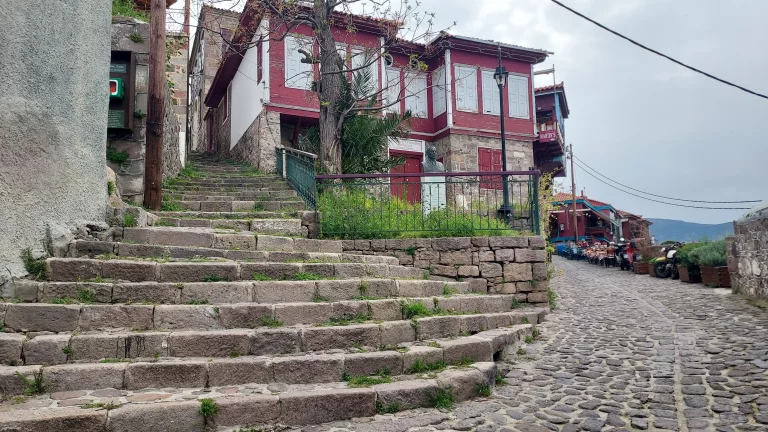
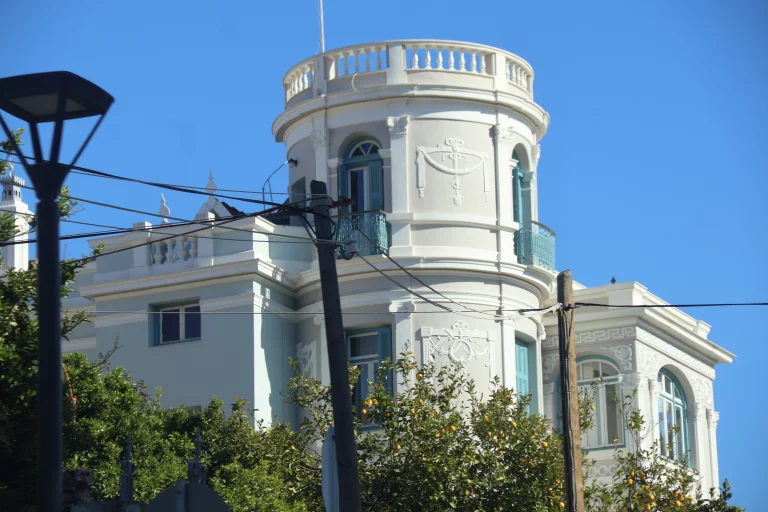
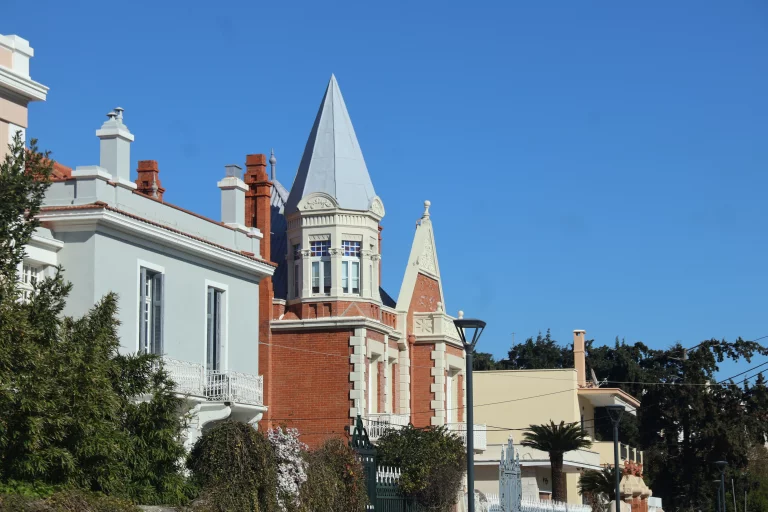
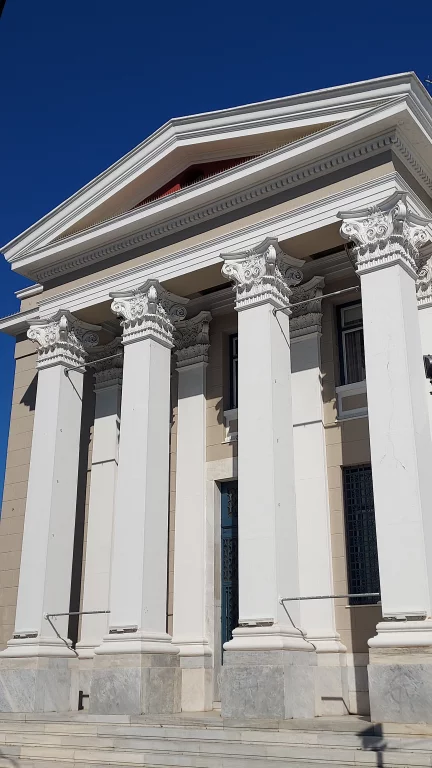
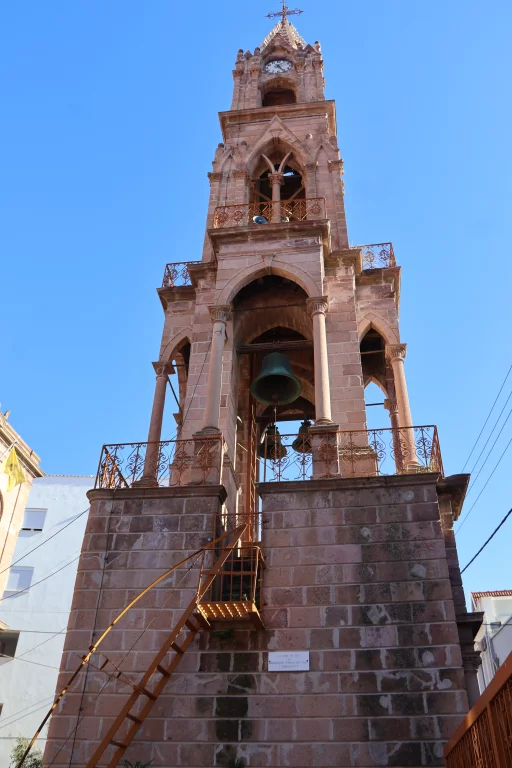
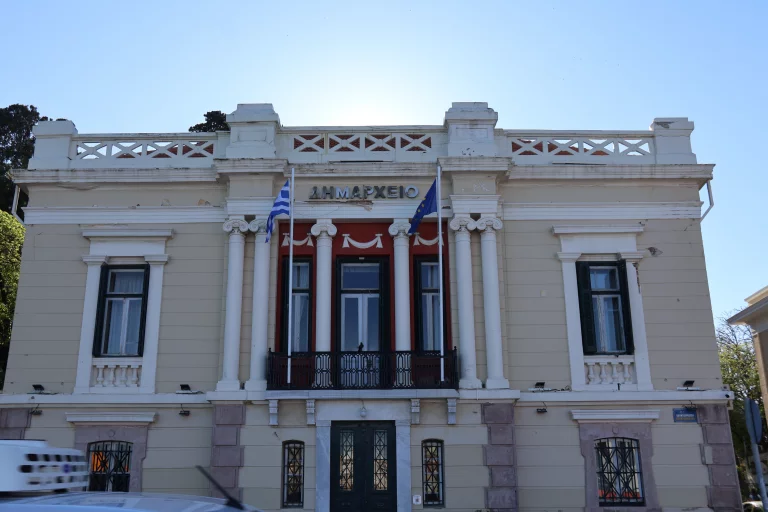
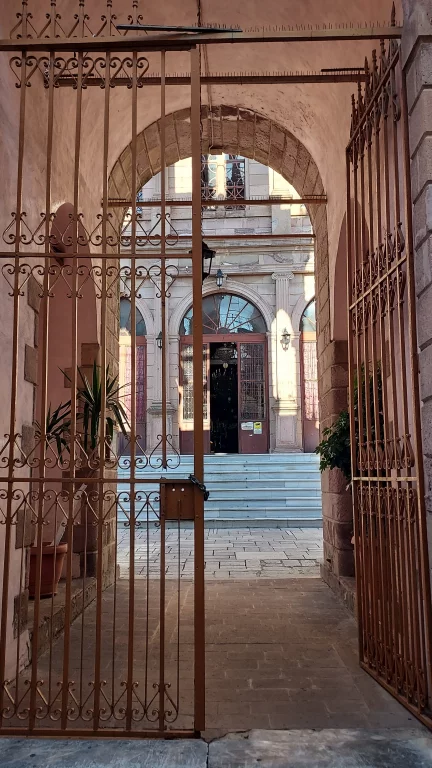
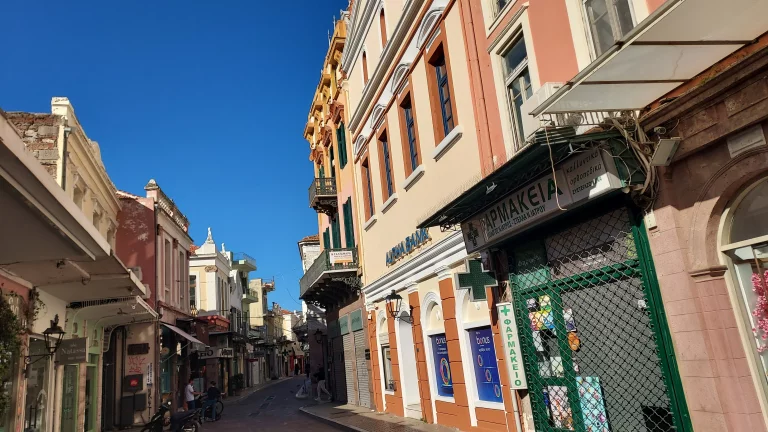
Throughout the city's neighborhoods, buildings bear witness to the different civilizations that have succeeded one another on the island. Traditional Ottoman houses, neoclassical facades, patrician houses displaying various European styles, Orthodox churches, the old mosque, and an old hammam all contribute to the image of a pleasant city where life is good.
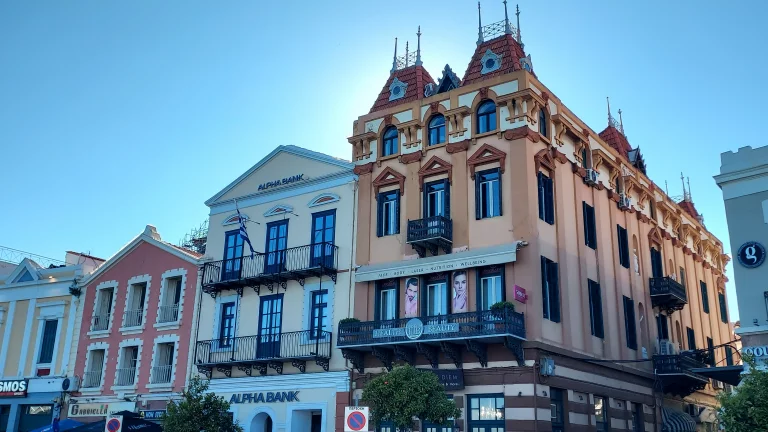
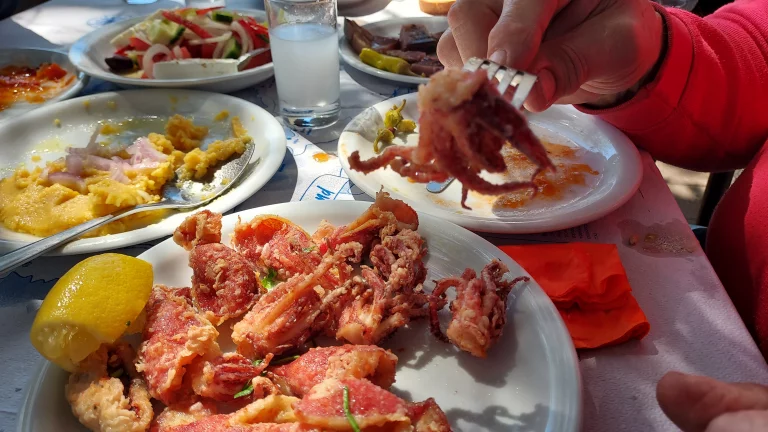
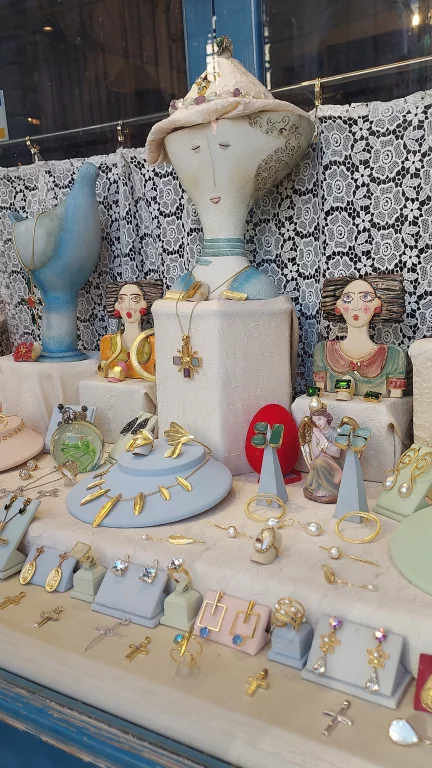
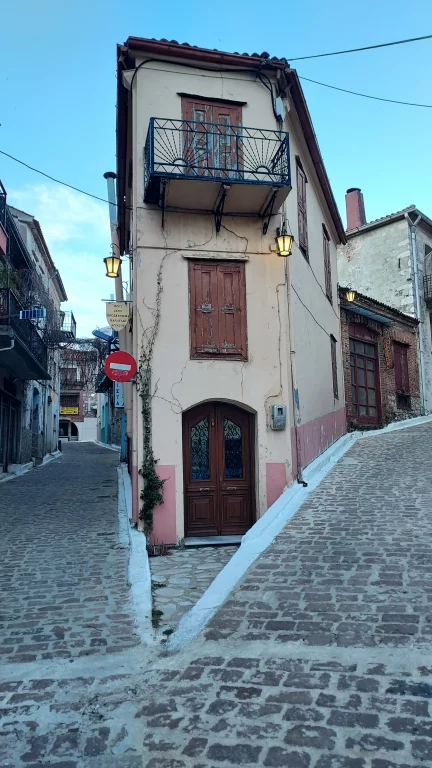
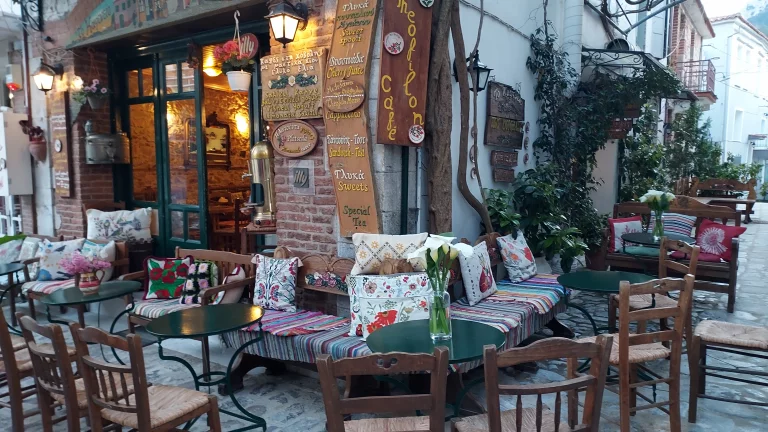
The heart of Mytilene beats in its old town, in the narrow streets lined with countless cafes and tavernas that come alive, especially in the evening. Also on Ermou Street, nicknamed "the market" by locals for its fishmongers, modern boutiques, antique bookstores, small workshops, grocery stores…
Painted walls tell stories, like that of the poet Odysseas Elytis, Nobel laureate in literature: "If you take Greece apart, in the end you'll see that you're left with an olive tree, a vine, and a boat. Which means that with twice that, you can put it back together."
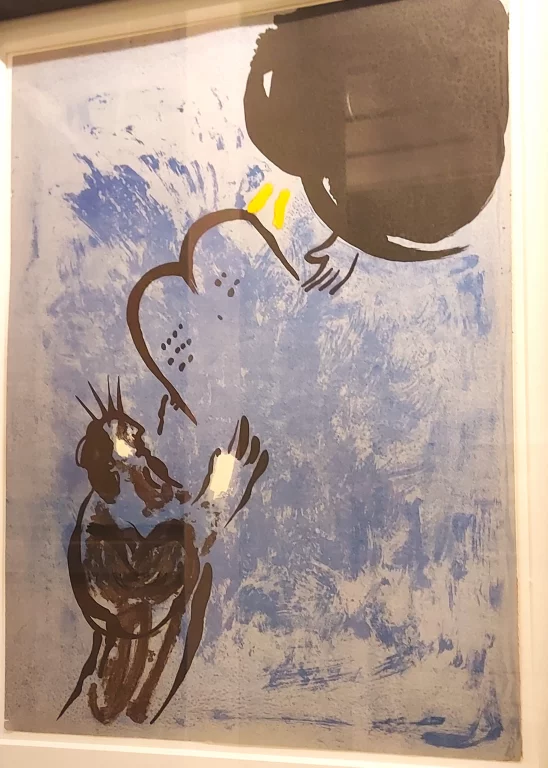
Elytis was a close friend of Stratis Elefthériadis Theriade, an art lover and critic who lived for many years in France, where he published books and a magnificent art magazine – Verve – featuring works by Picasso, Matisse, Chagall, and others. He bequeathed his personal collection to the Theriade Museum-Library. A bonus: all the presentations are in French, and the curator speaks excellent French. On the same site is the museum dedicated to the painter Theophilos, one of the leading figures of 20th-century Greek Naïve painting.
After this Franco-Greek interlude (all explanations are in French), and to learn more about the history of Lesvos, head to the archaeological museum which also displays beautiful mosaics.
From the aqueduct to Mount Olympus
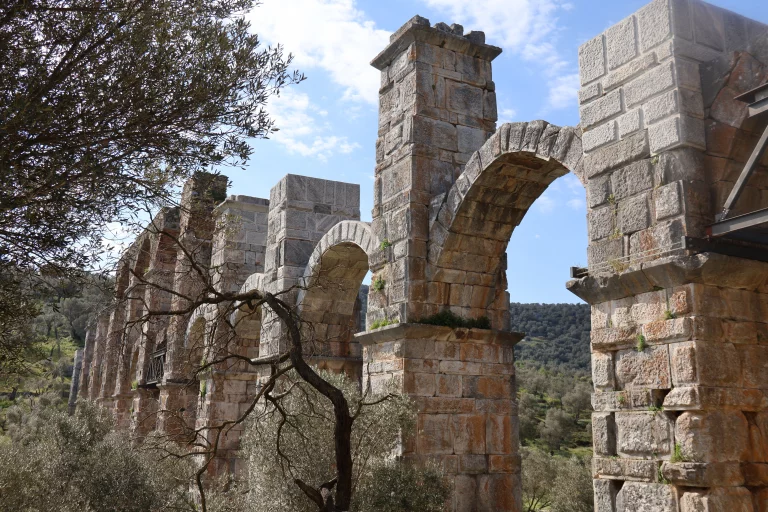
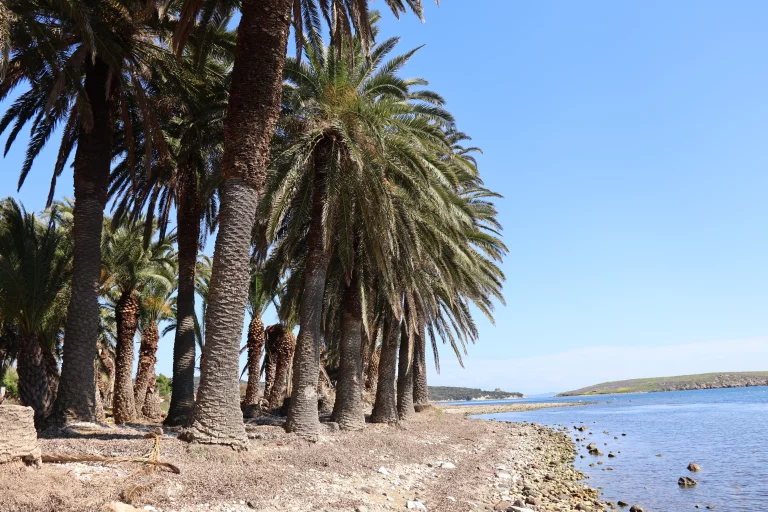
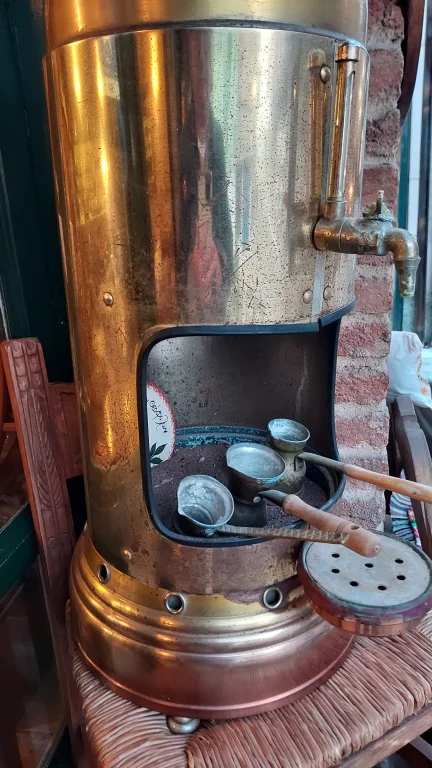
Nearby, northeast of Mytilene, a Roman aqueduct bears witness to the time when water from the numerous mountain springs was brought to the city. Enjoy a coffee with the locals in villages like Afalonas, one of the oldest on the island, before heading back down to the coast towards Panagioudais, known for its excellent fish tavernas. A short stroll after lunch leads to a palm grove. In Pamfila, be sure to visit the Aghia Varvara church and admire its marble iconostasis. You'll never tire of following the road, discovering other villages, hamlets, and small fishing ports.
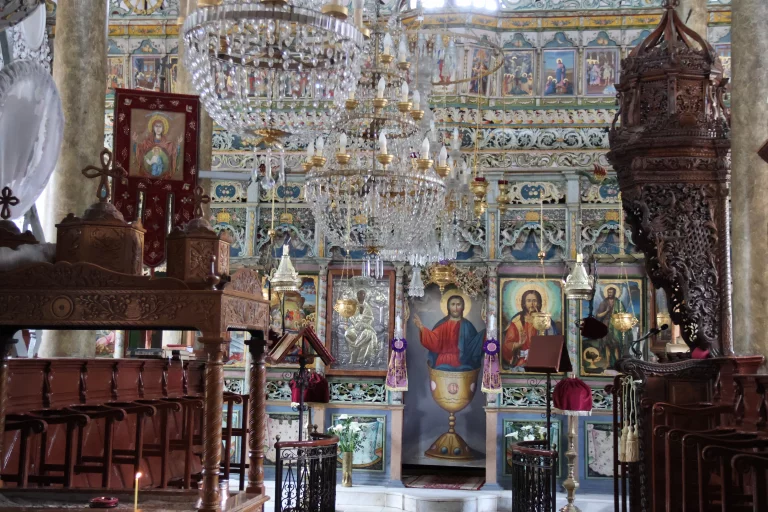
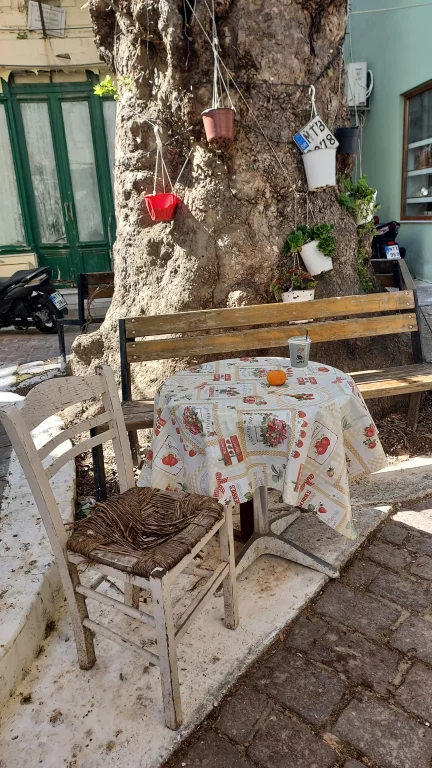
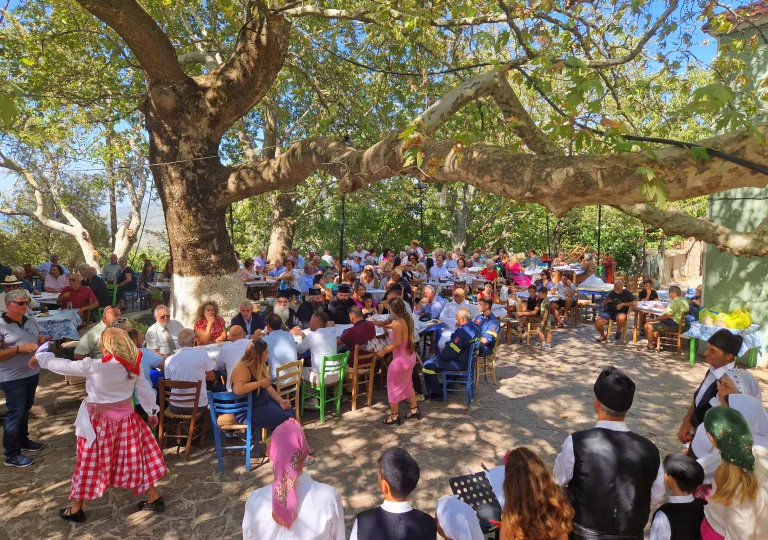
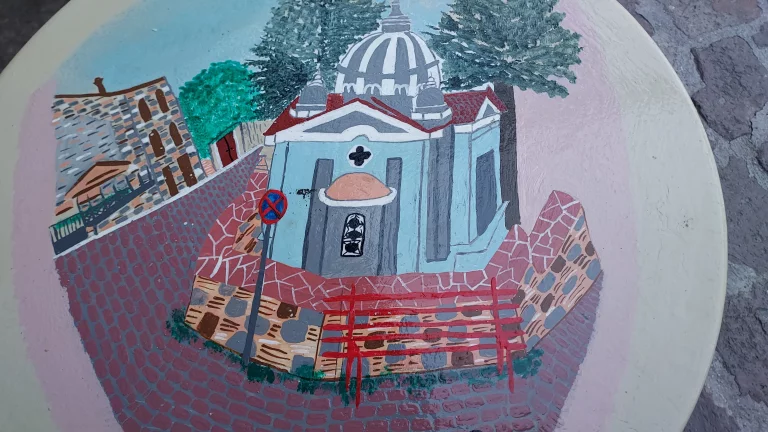
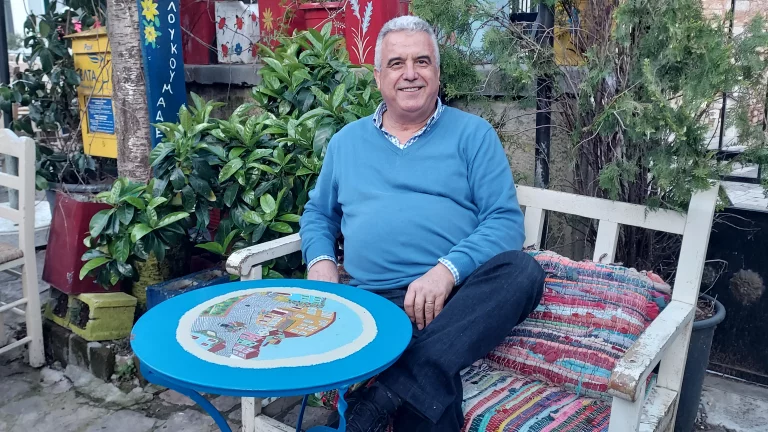
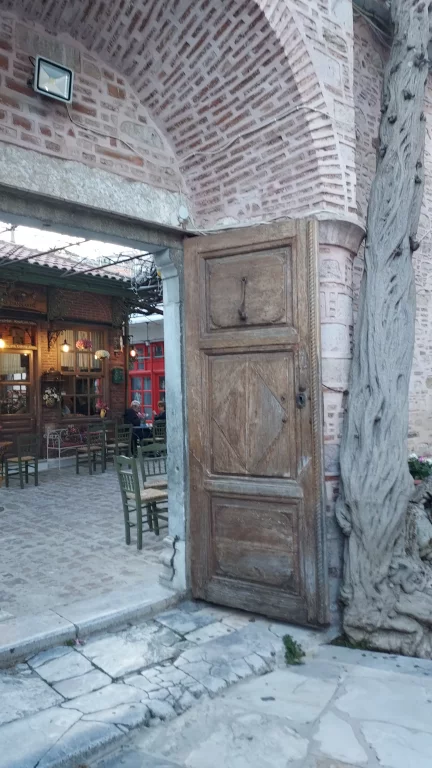
From Mytilene, heading south, it's easy to reach Mount Olympus with its extensive network of hiking trails and charming villages like Agiasos. The road there alone is breathtakingly beautiful, lined with plane trees, fruit trees, and chestnut trees. The church dedicated to Panagia attracts many pilgrims with its miraculous 4th-century icon. The village is also renowned for its pottery, and it's hard to resist the talents of the local artisans. Among the many cafes and tavernas that enliven the village, those in the upper part are particularly popular. Many small outdoor tables have tabletops covered in naive paintings. Also not to be missed is the Garden of Panagia with its venerable, six-hundred-year-old plane tree.
Beneficial waters
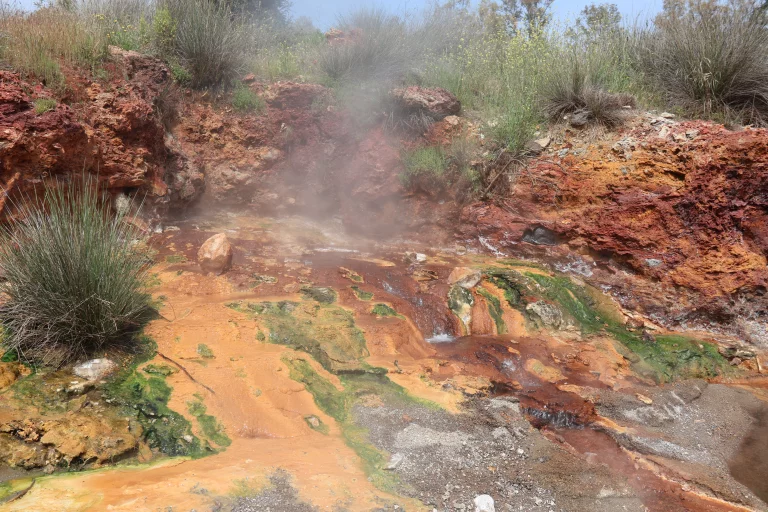
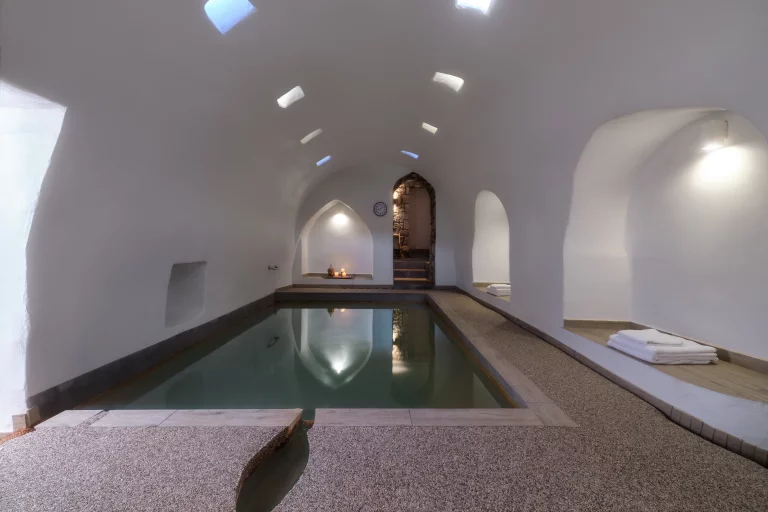
They spring from the depths of the earth, from the heart of volcanic rocks. The island boasts numerous hot springs that have always offered their soothing benefits. Among them are the Polichnitos springs, located about forty kilometers from Mytilene. They are among the hottest in Europe.
In the heart of unspoiled nature, sixteen springs emerge at temperatures ranging from 62°C to 92°C, coloring the rocks in shades of red and yellow. This natural setting astonishes and delights: one can even discover an amazing natural open-air "sauna".
The TKC family group, which also manages a hotel in Mytilene, recently redeveloped the entire site with great care, respecting its authentic character and without disfiguring it with flashy constructions.
In homage to the physicians of Antiquity who already celebrated the virtues of thermal waters, the site bears the name of one of the most famous among them: Hippocrates.
Tales of pirates, olives, and ouzo.
Wherever you go on Lesvos, the ever-changing landscapes and villages captivate the eye. History is everywhere.
The Gulf of Gera is nestled in a stunning natural setting: olive groves stretching as far as the eye can see, cultivated valleys, and fascinating marshes.
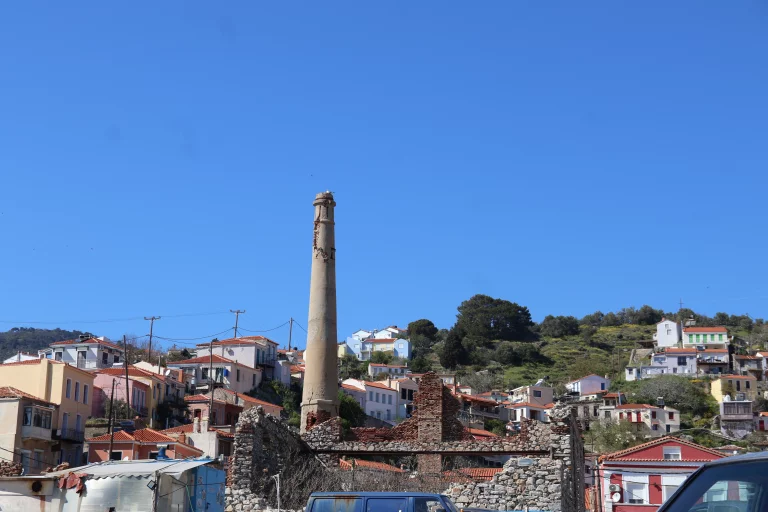
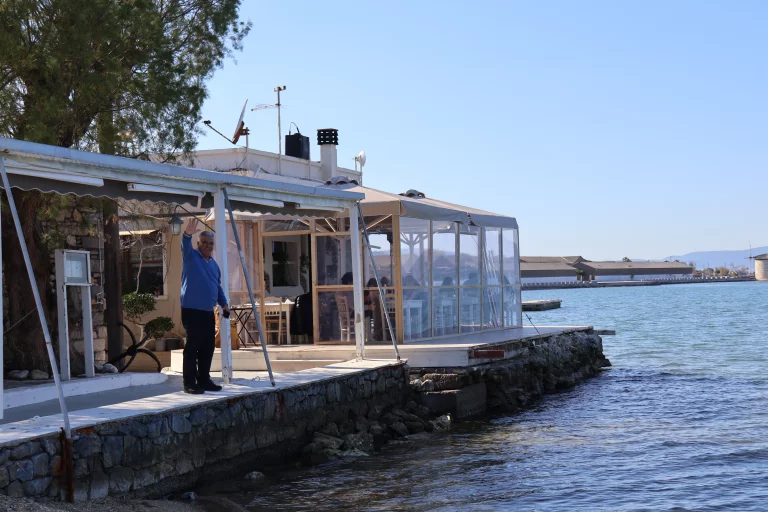
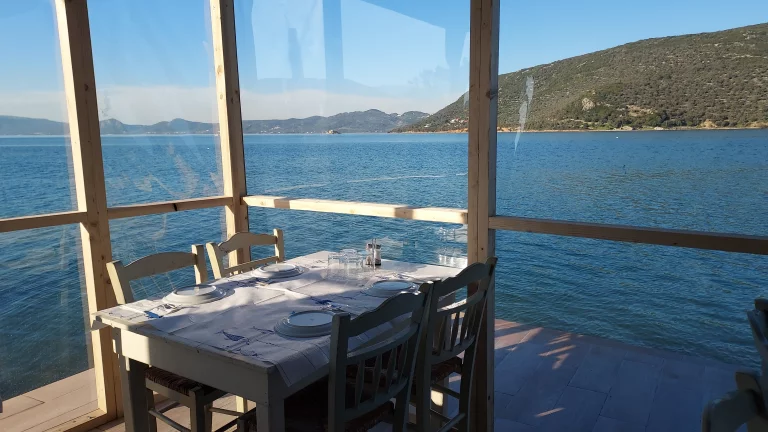
In Perama, the region's industrial port, old factory buildings bear witness to its economic past. Tavernas along the shores offer excellent fish dishes.
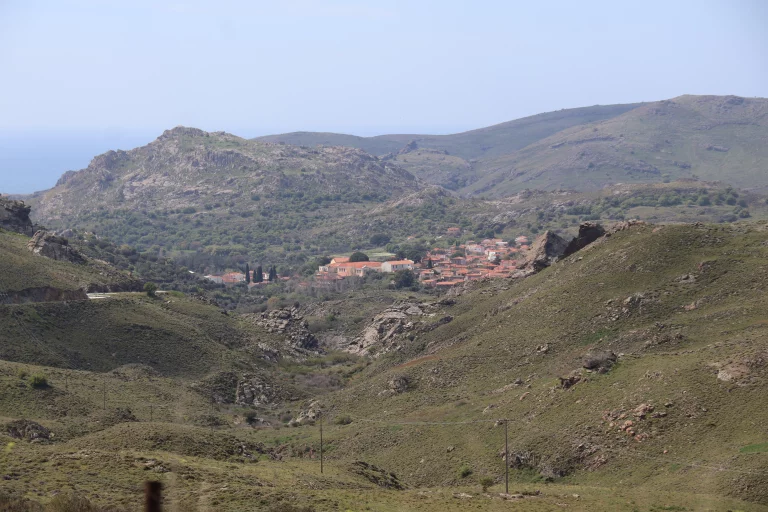
In the villages, charming stone buildings and picturesque little squares invite you to enjoy a coffee.
It was here, in Paleokipos, in the 1470s, that the famous pirate Hayreddin Barbarossa, one of the greatest heroes of the Ottoman Empire, is said to have been born. Although Lesvos is now part of Greece, the island was under Turkish rule between 1462 and 1912.
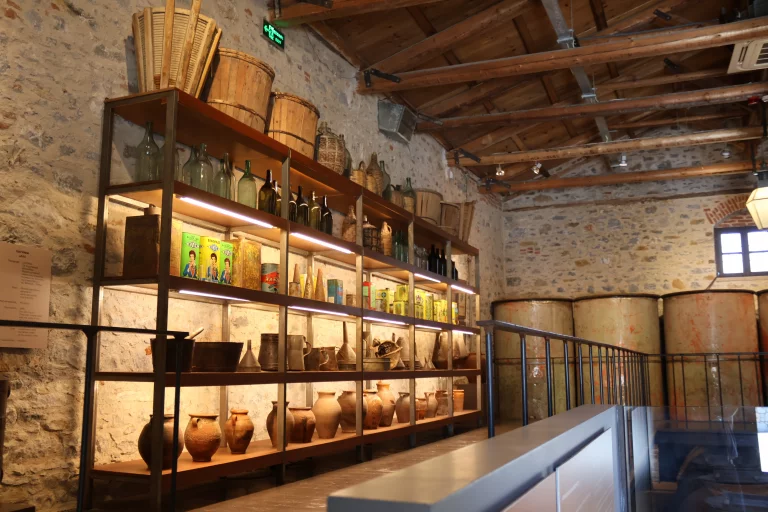
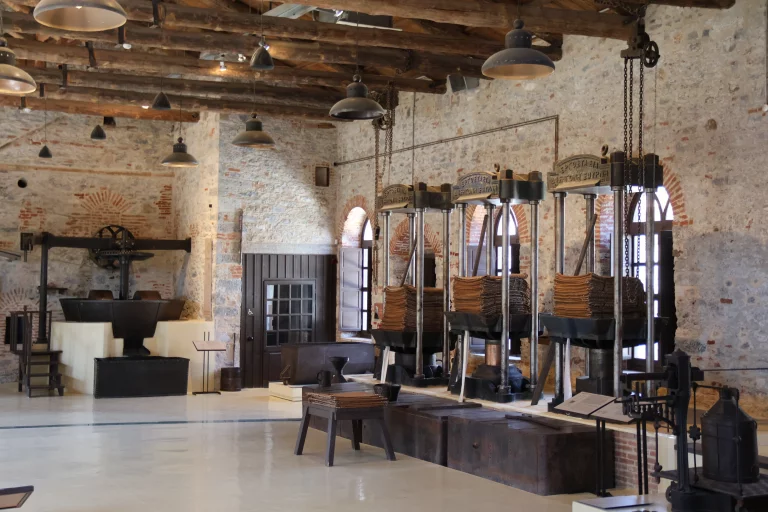
In Papados, the former economic center of the region, the restored buildings of a former olive oil production site now serve as a living museum.
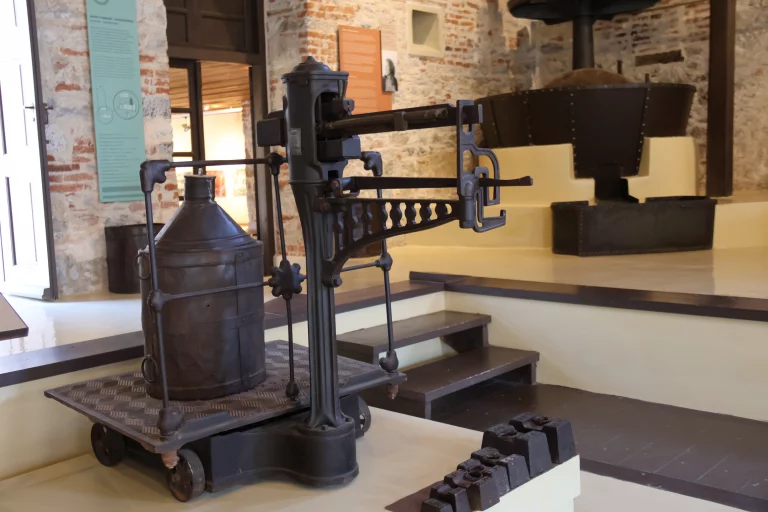
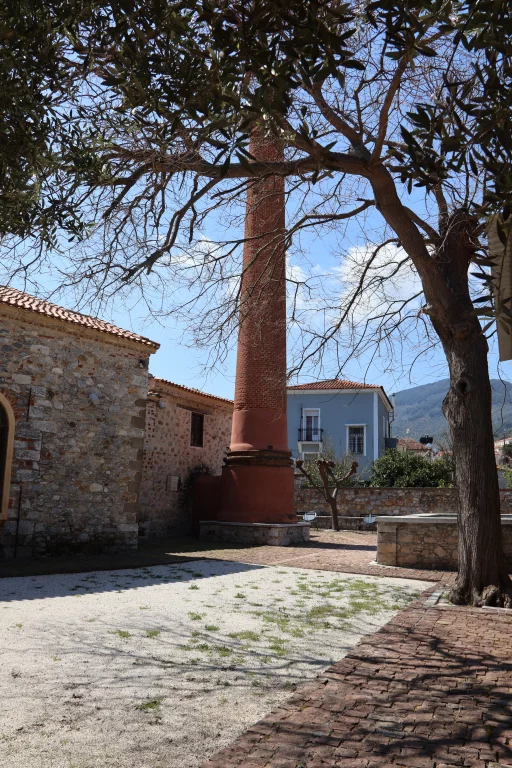
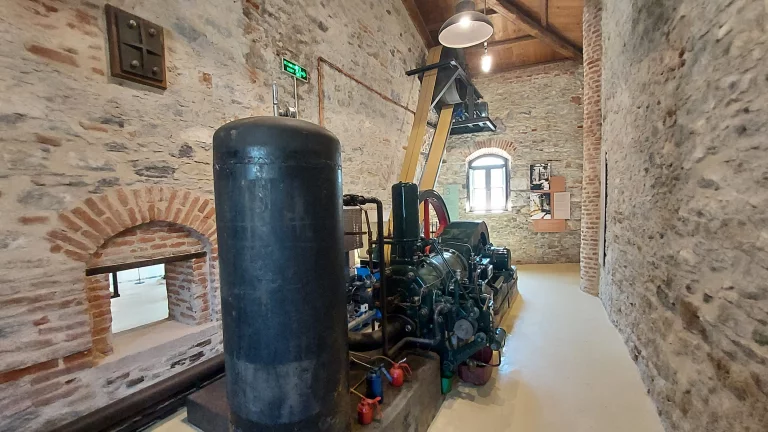
The Vranas mill was one of the first to operate with a steam engine. Built in 1887, it belonged to Nikolaos Vranas, the grandfather of Nobel Prize-winning author Odysseas Elytis.
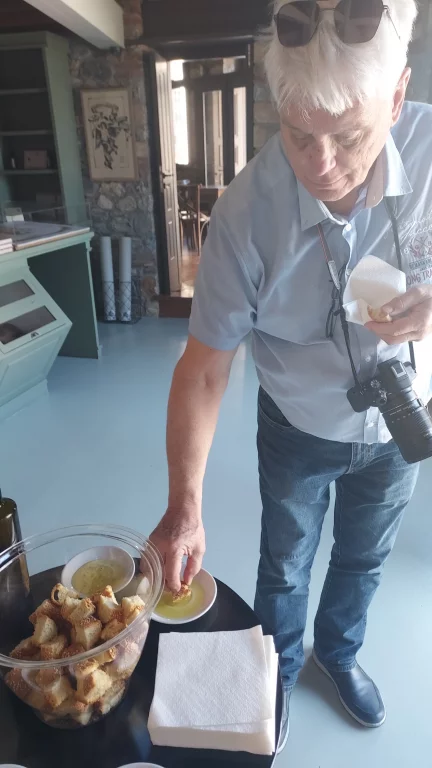
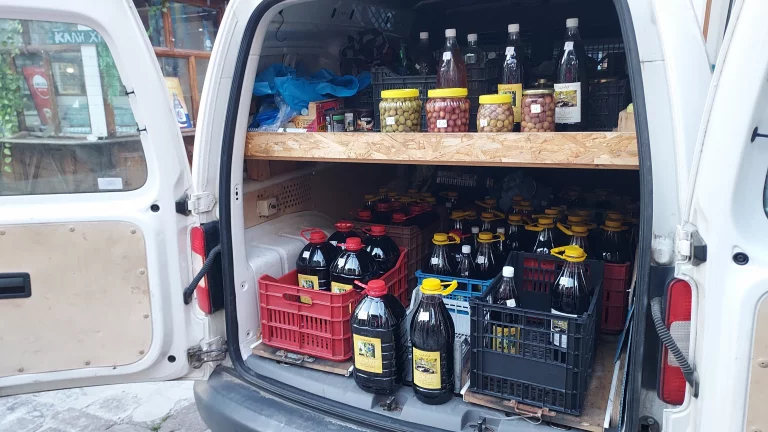
With 11 million olive trees flourishing primarily on the southern slopes of Lesvos, the island is one of Greece's most important olive oil producers. Around 1913, there were 113 modern steam-powered olive mills in addition to 79 traditional mills. Many are now abandoned, while others, like the one in Papados, have been restored. All the machinery is in perfect working order. Lesvos olive oil displays a beautiful balance of flavors, neither too herbaceous nor too bitter.
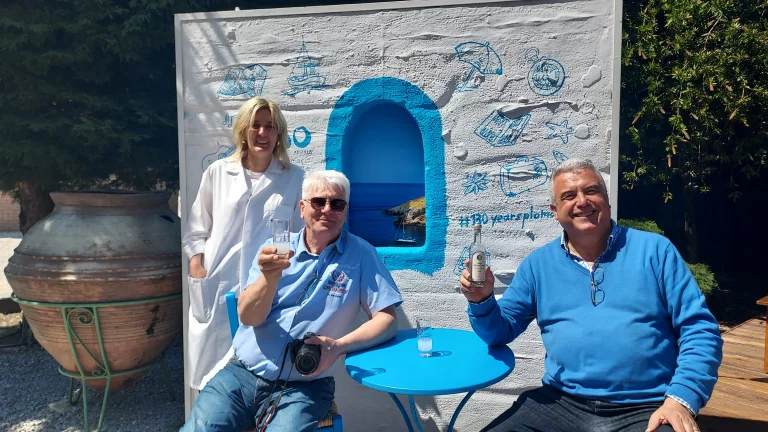
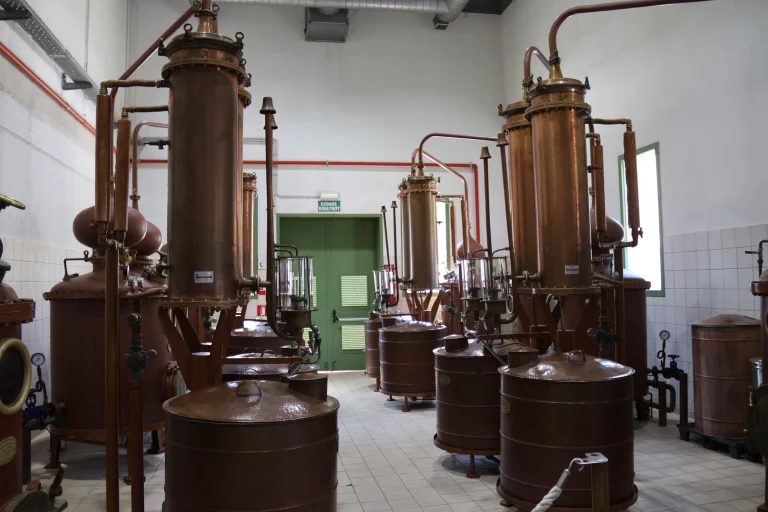
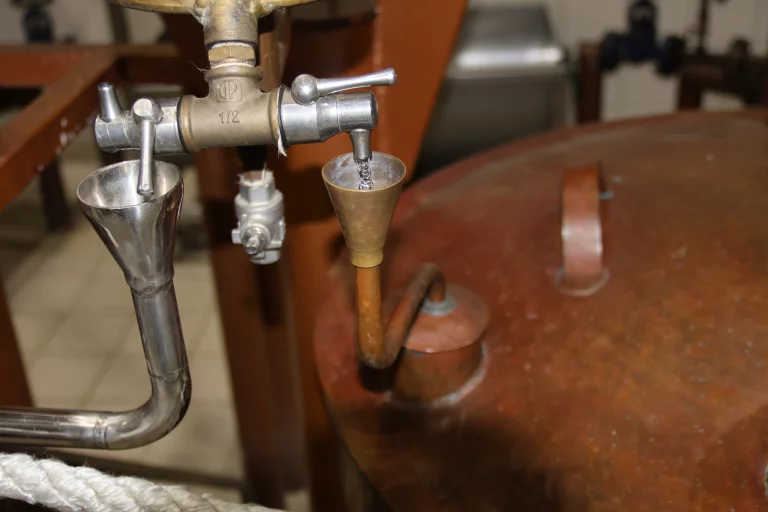
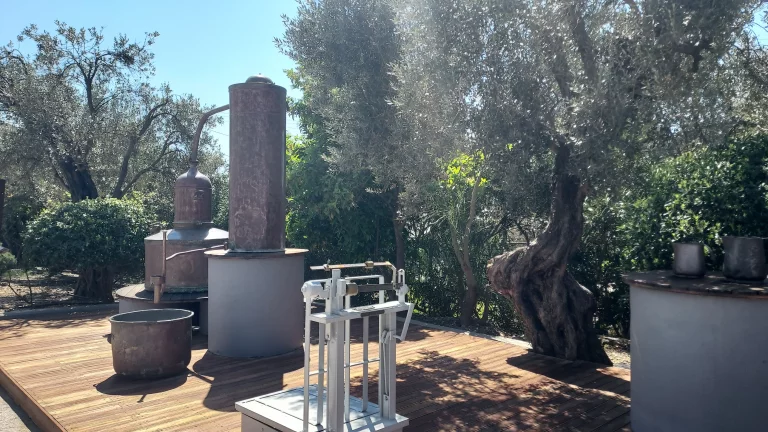
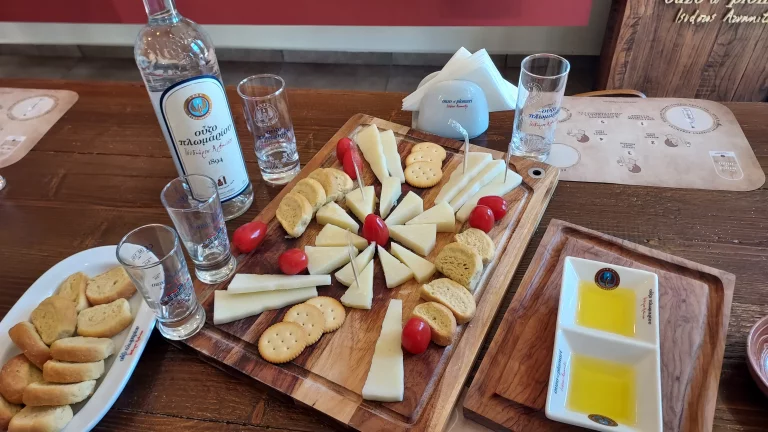
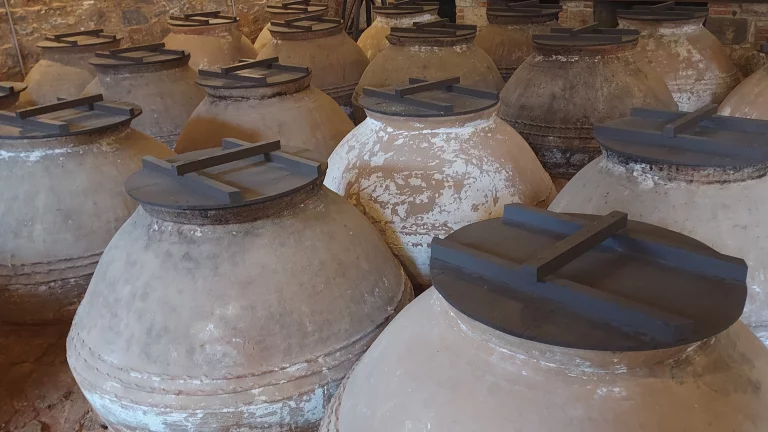
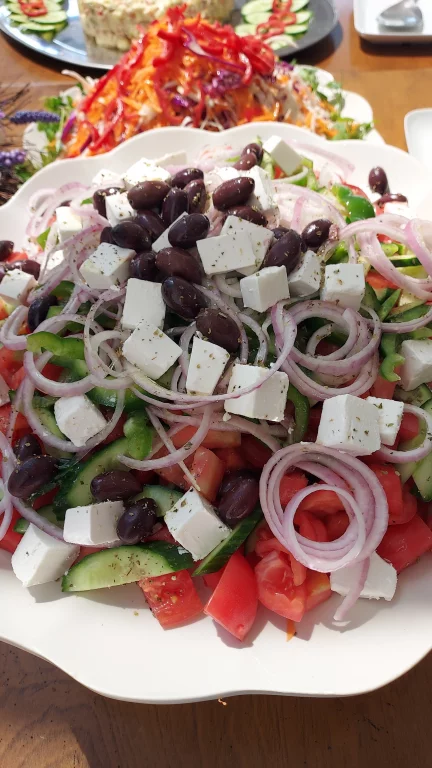
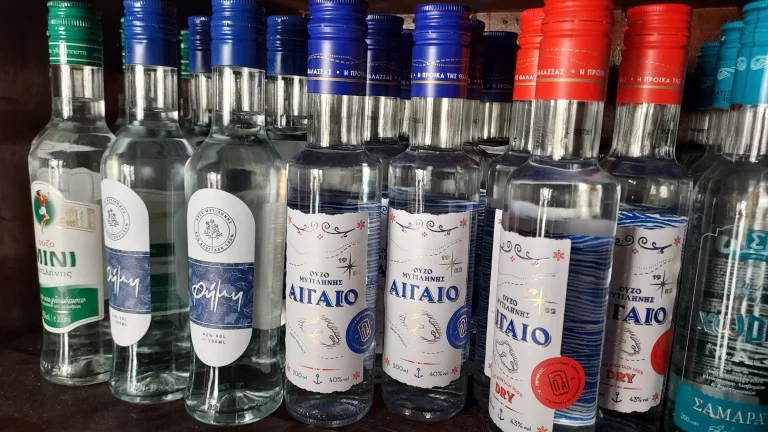
A few kilometers further along the south coast lies Plomari, the world capital of Ouzo. A visit to the eponymous distillery (the island boasts several!) reveals the secrets of making this beloved Greek national drink, often accompanied by small meze (a type of tapas) whose base ingredient is anise. Each distillery then adds its own herbs and spices. The recipe is, of course, top secret! In fact, 50% of Greek ouzo is produced on the island of Lesvos.
After Mytilene, the port of Plomari was the second most important trading port. From here, ships laden with ouzo and olive oil soap departed for Asia Minor, the Black Sea countries, and Marseille. The village itself, perched above the sea, is picture-perfect. It's also a popular tourist destination, with its colorful houses, charming cafes, and numerous music festivals.
The "Meteors" of Lesvos
The next stop, Petra, offers the opportunity to explore the entire northern part of the island, with beautiful walks leading to waterfalls.
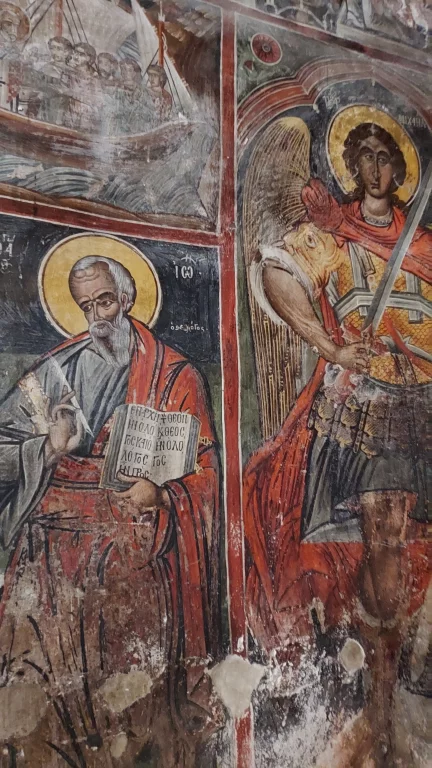
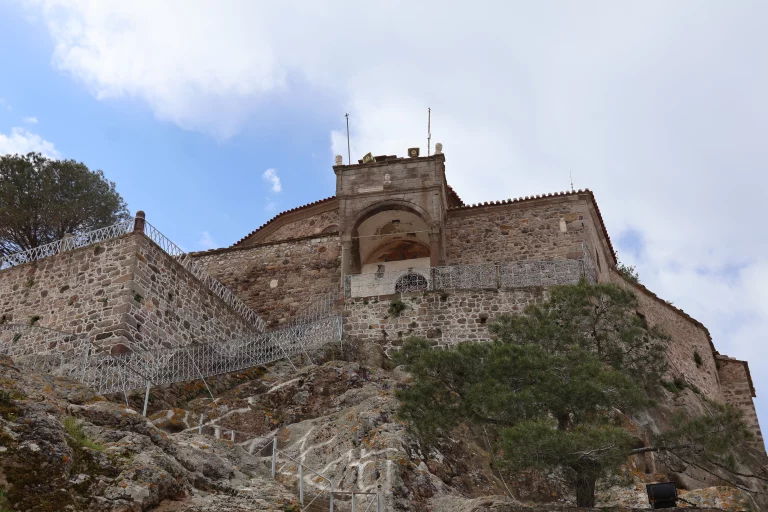
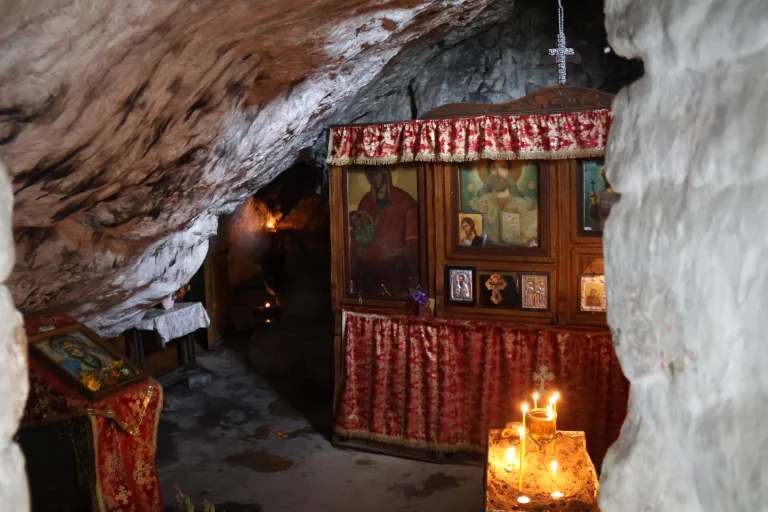
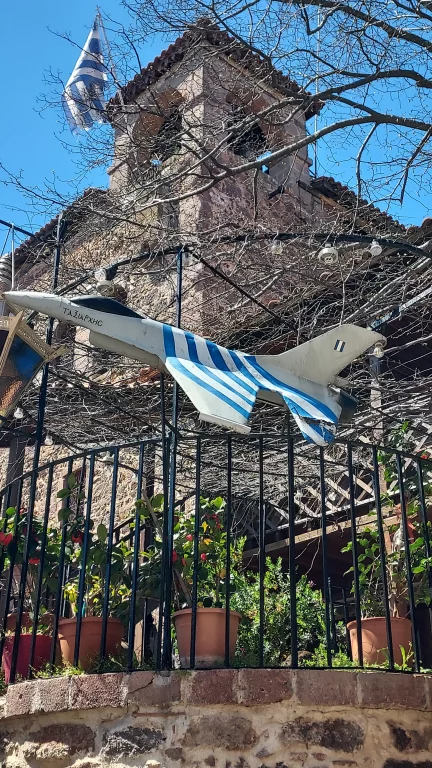
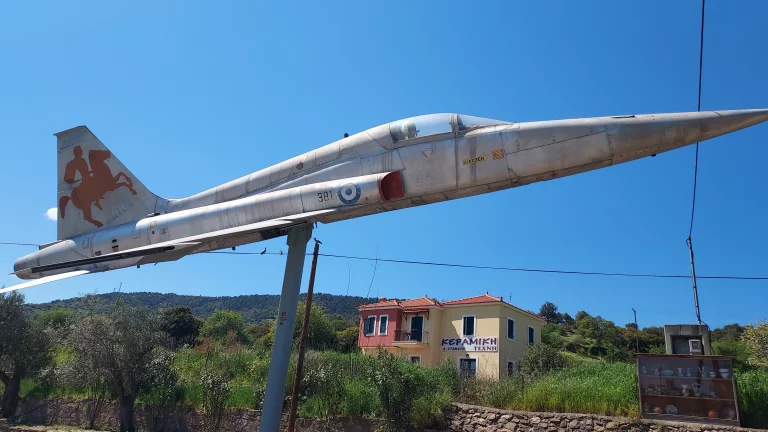
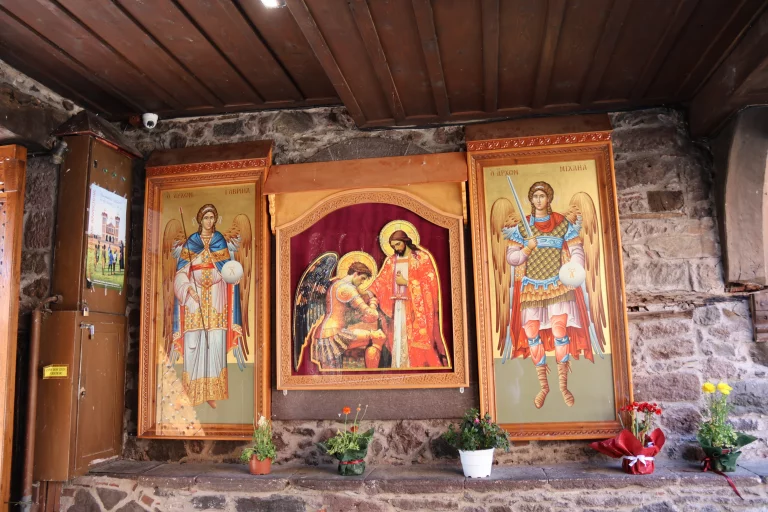
It is also in this region that you'll find the Monastery of Taxiarchon, which houses an icon of the Archangel Michael carved from earth soaked in the blood of murdered monks. A fighter jet marks the way to the monastery, as Saint Michael is the patron saint of aviators and also of the island. The monastery is the most important Greek pilgrimage site dedicated to the Archangel Michael.
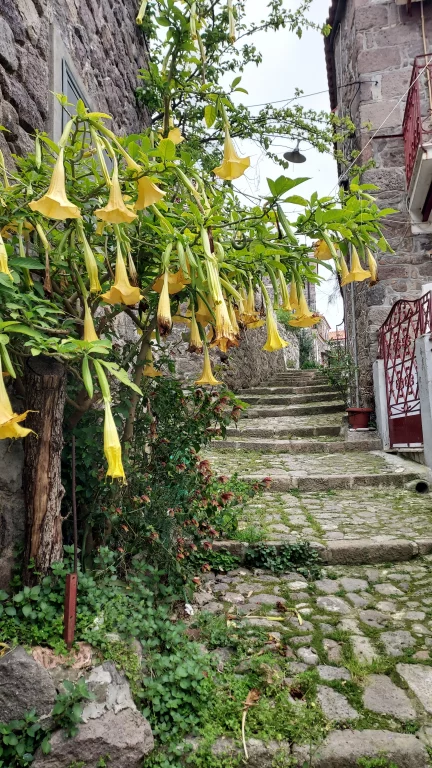
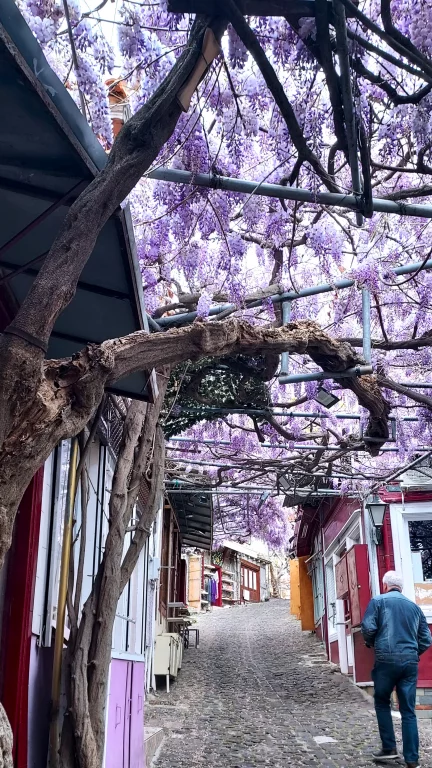
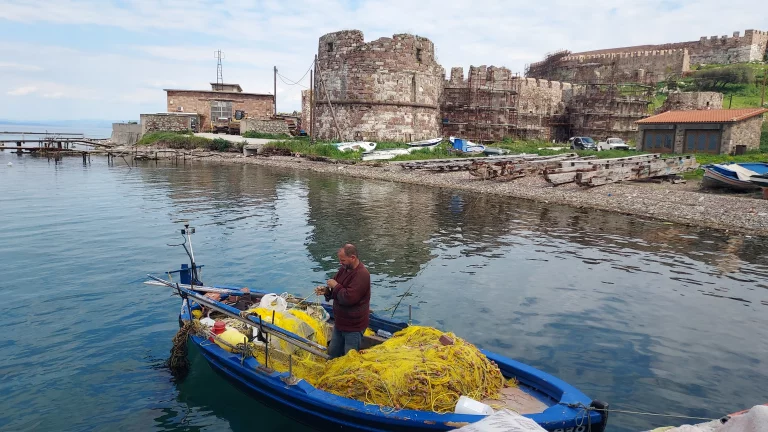
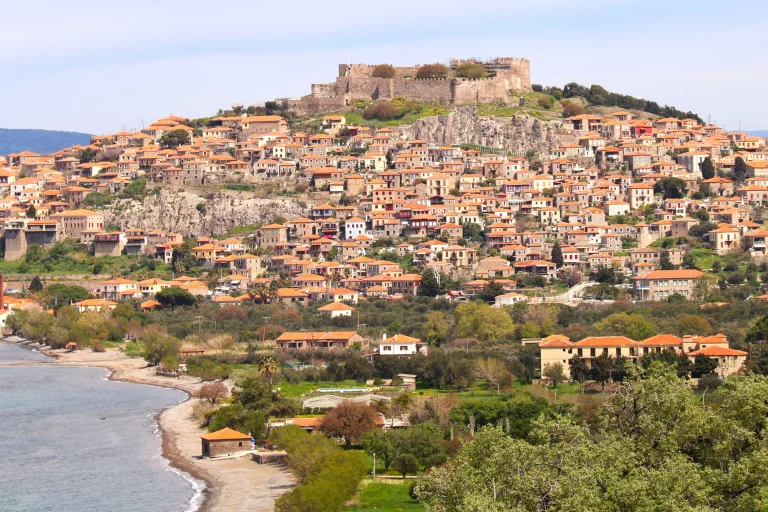
Along the coast, beaches stretch all the way to Molyvos (or Methymna), one of the prettiest villages in Greece, overlooked by a Venetian fortress with breathtaking views of the northern Aegean Sea. The cobbled streets leading up to the village are shaded by wisteria vines: in spring, when they bloom, the air is filled with their enchanting fragrance. Everywhere, small cafes invite you to pause and soak up the gentle pace of life.
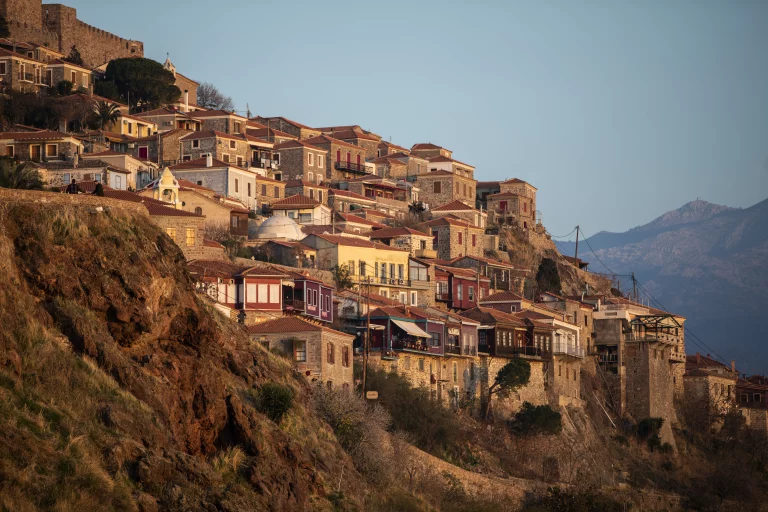
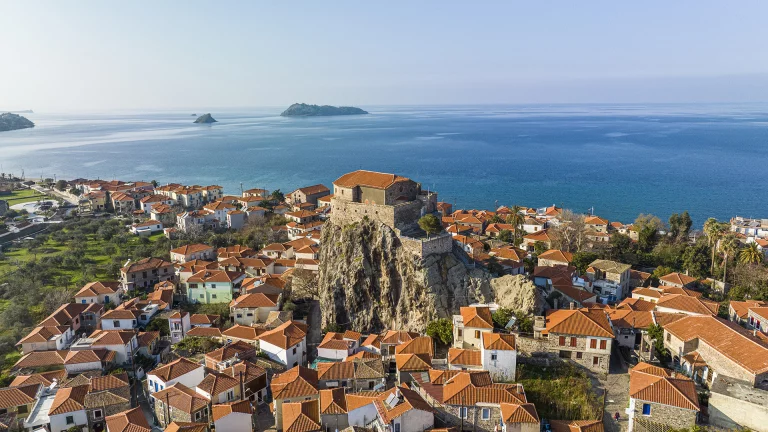
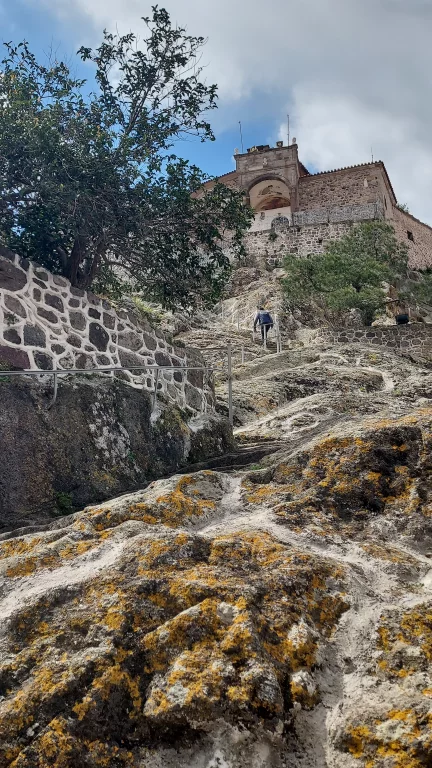
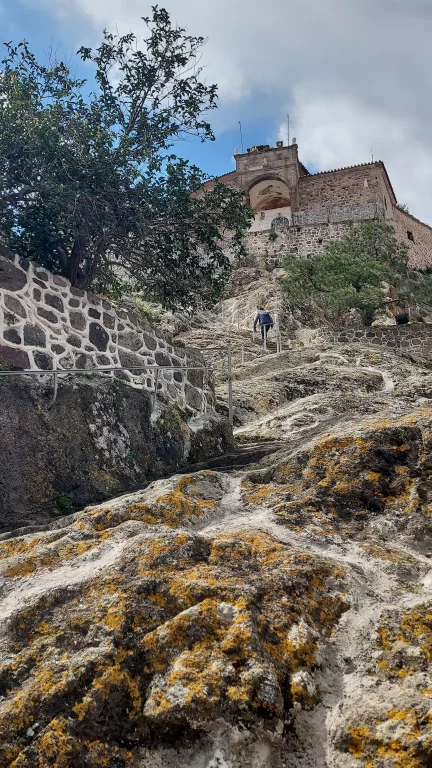
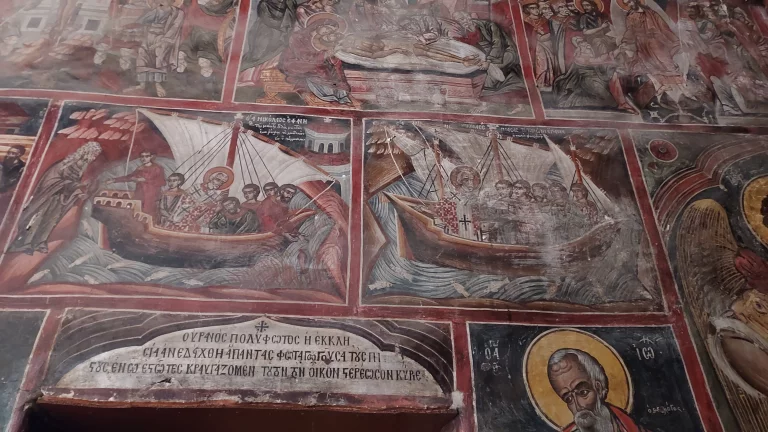
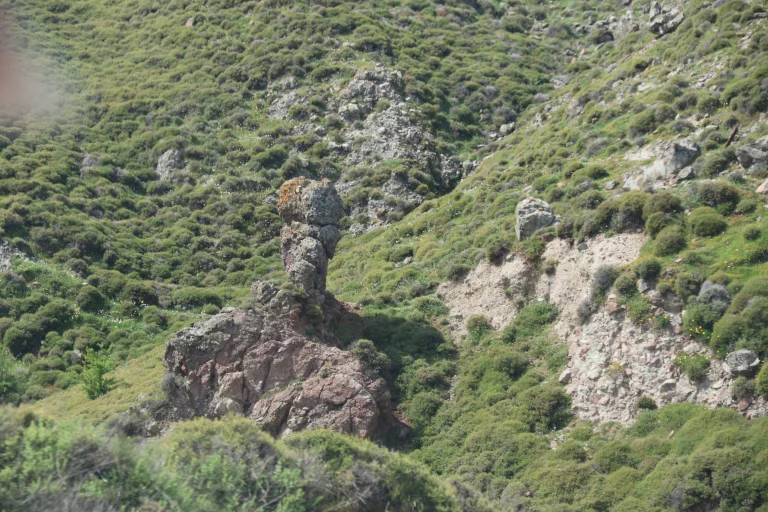
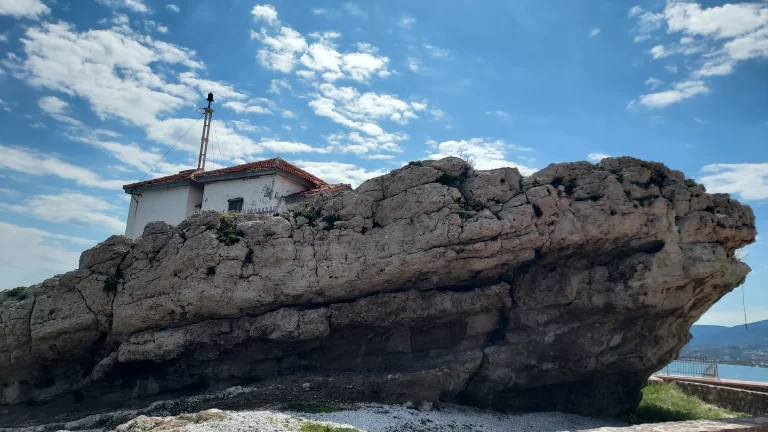
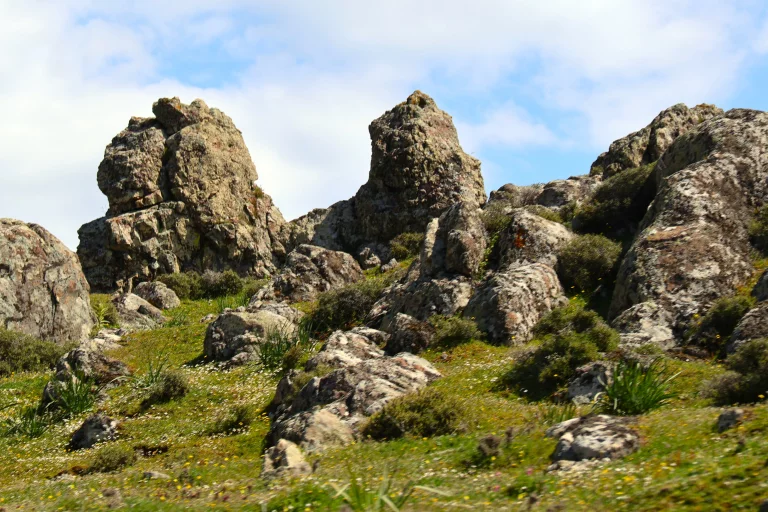
Unmissable, just a few kilometers away, is the imposing volcanic rock that rises in the heart of the seaside resort of Petra. Even though there's only one, some compare it to Meteora. A staircase carved into the rock leads to the small church of Panaghia Glykofiloussa (18th century). A magnificent view rewards the effort! In the village, the 17th-century Church of St. Nicholas houses frescoes depicting the hanging of Judas. In the surrounding area, there are many hiking opportunities. Among the most beautiful is the Ligonas Watermill Trail, which passes by 18 medieval watermills, some of which are remarkably well-preserved.
Petrified Forest and a Poem of Love
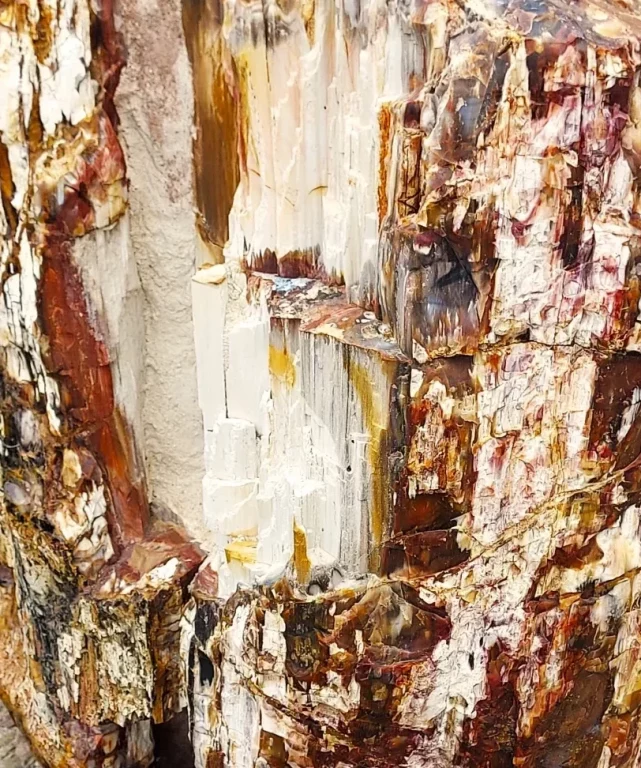
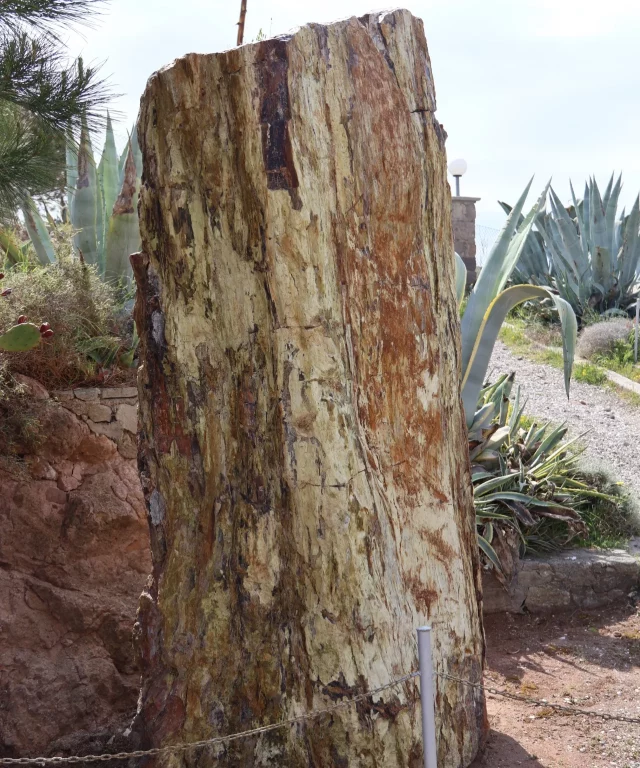
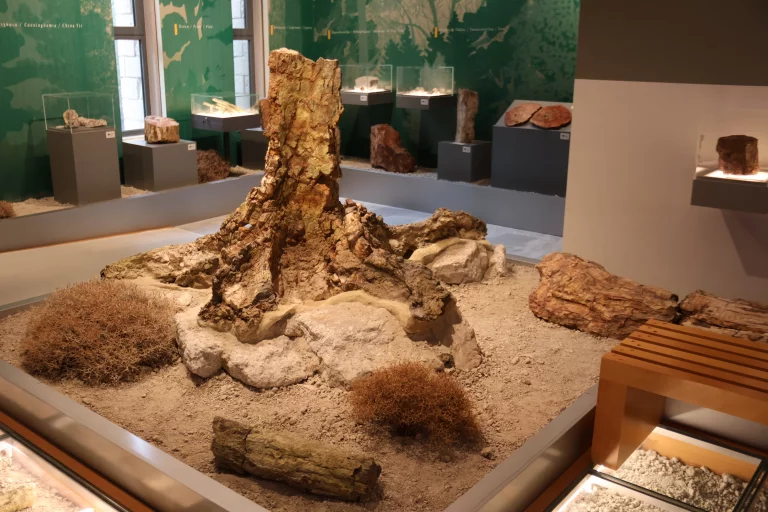
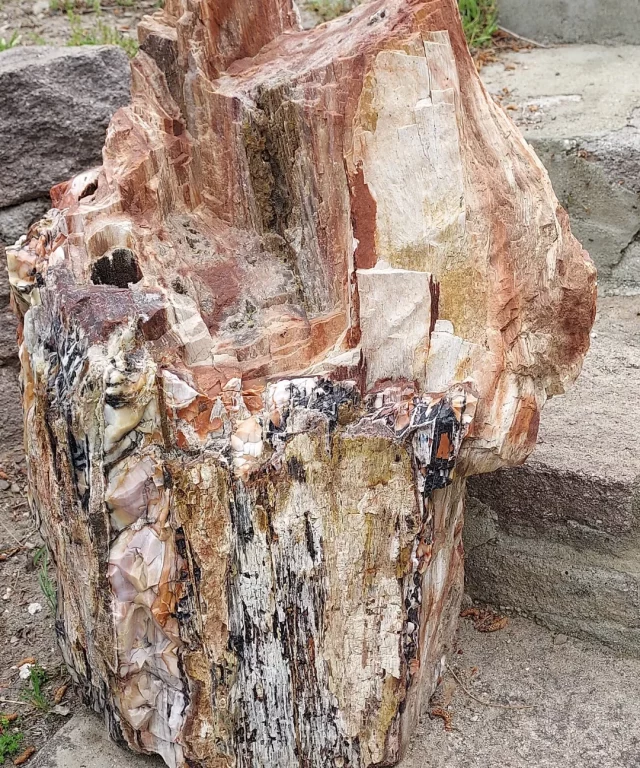
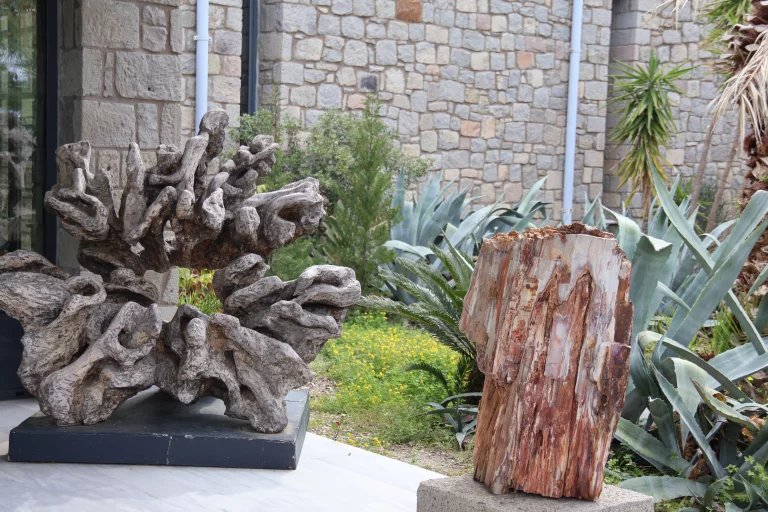
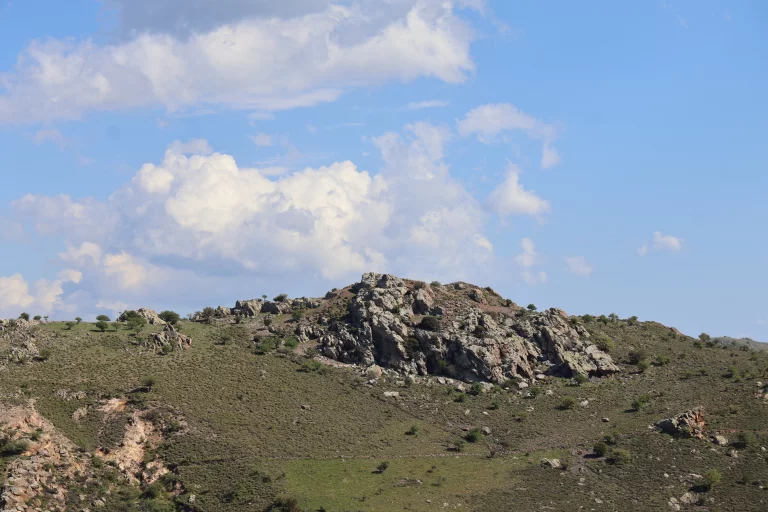
Heading west for the final leg of the journey, we encounter a complete change of scenery. Here, the island's volcanic origins are most evident, with rocks and bare hills. This region is home to the Petrified Forest of Sigri, a geological gem of the island and a UNESCO Global Geopark. Hiking trails allow visitors to explore this remarkable site. The Natural History Museum offers an accessible explanation of how Lesvos was formed by volcanic activity 20 million years ago. Petrified tree trunks, fossilized plants, and volcanic rock formations can be found both on land and in the sea.
We conclude this non-exhaustive journey in Eressus, named after the son of King Makaros. It is the birthplace of the poet Sappho (circa 630 BC), known primarily for her poetry celebrating beauty and love between women. Plato is said to have compared her lyric poems to the works of a tenth Muse.
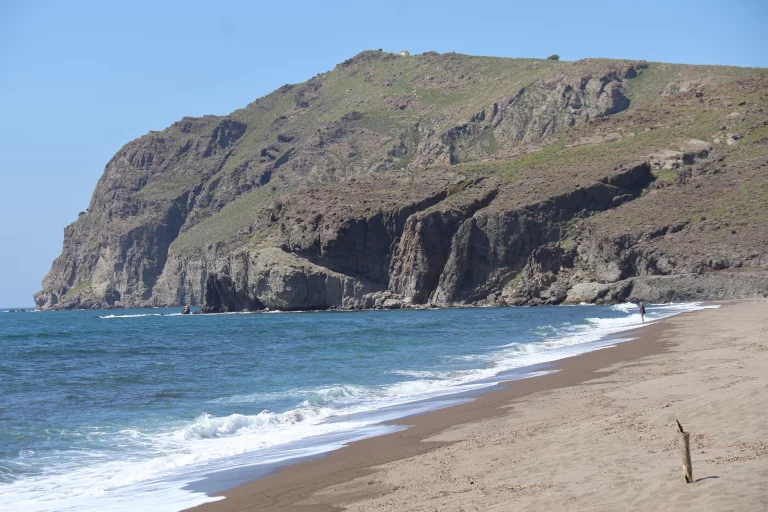
It is here, on the beaches of Skala Eressos, that one could admire the most spectacular sunsets on the island.
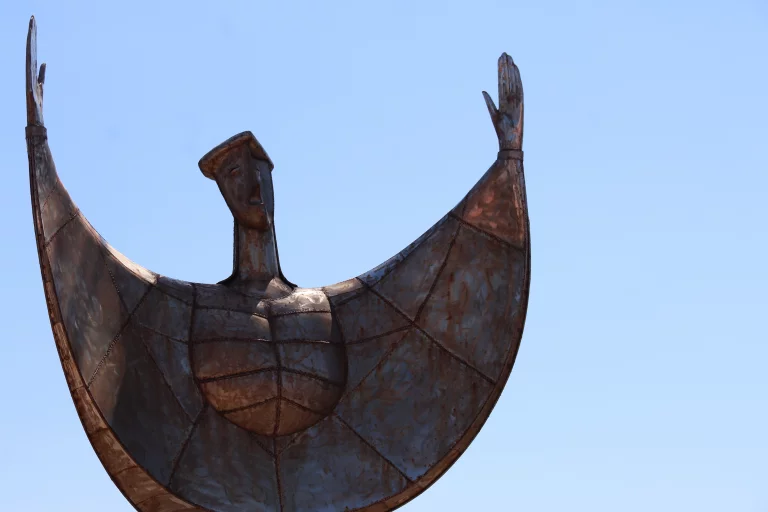
Everywhere, beaches invite relaxation, villages beckon exploration, landscapes invite hiking, and hot springs offer tranquility. Far from islands geared exclusively towards tourism, Lesvos has managed to preserve its soul and authenticity.

Practical information
Go there
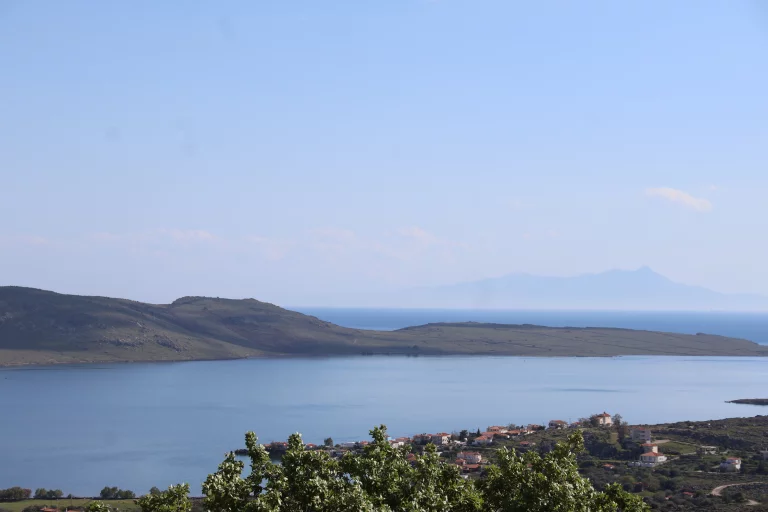
Lesbos is located in the northern Aegean, just 10 kilometers from the Turkish coast of Ayvalik and 350 kilometers northeast of Athens. The island lies 55 kilometers east of Limnos and 50 kilometers south of Chios.
https://www.visitgreece.gr/islands/north-aegean-islands/lesvos/
There are no direct flights from France (yet). You'll need to stop over in Athens or Thessaloniki. Choose an airline that also offers a connecting flight to Lesvos (this avoids having to collect your luggage in Athens to check it in for the connecting flight).
From Piraeus, there are regular ferry services (11 to 17 hours depending on the number of stops).
Getting
around the island: Renting a car is essential to discover all these beautiful villages. They are generally not very far from each other, and you can easily visit three in a day.
The best time
to visit Lesvos is also off-season, as the villages are inhabited year-round. To avoid the crowds, early and late summer are ideal (but there are so many beaches that even in July and August it's not a problem).
Allow 15 days to explore the island at a leisurely pace.
Great wellness tip
Enjoy the hot springs renowned for treating rheumatism and osteoarthritis.
Where to stay
in Mytilene:
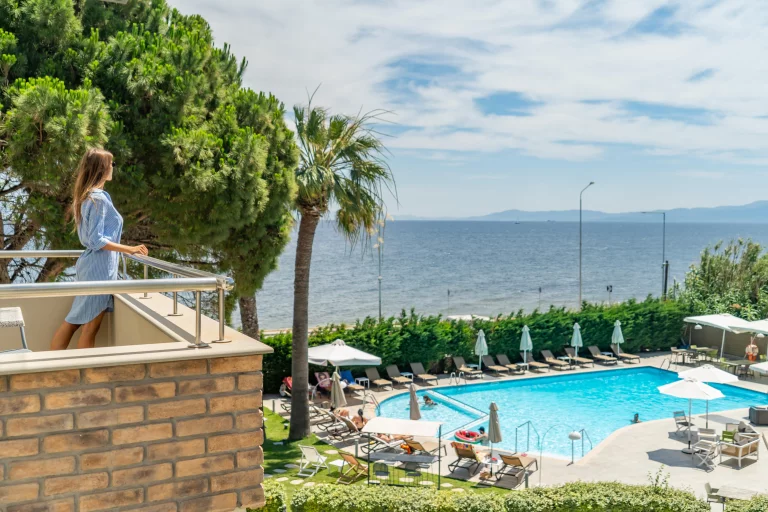
Elysion Hotel, 5*, opposite Neapoli Beach. All rooms have sea views. Swimming pool and separate children's pool; 35 rooms; private jetty for boat trips;
info@elysion.gr https://www.elysion.gr/
Mythical Coast Wellness Retreat, 5*, contemporary hotel, swimming pools outdoor and indoor, spa; gym; 91 rooms; access to the Hippocrates hot springs;
https://mythicalcoast.gr/
Loriet Hotel, a charming hotel, is a lovely estate with small contemporary villas and studios set in a large garden, and a few rooms in the venerable, renovated 18th-century manor house; swimming pool
https://www.loriet-hotel.com/en
In Skala Eressos:
Aeolian Village Beach Resort, 4*, is nestled in a vast garden surrounded by nature, with an almost private sandy beach; kids' club, children's menus.
https://aeolianvillage.com/fr/
Our favorite restaurants
Plomari : Seven Seas
Molyvos : Misirlou, Gavrilos Taverna
Mytilini : Antonis Tavern, Vagies, Kalamies, Parateron, Dimos, The Castle Taverna, Ermis
Our favorite beaches
Agios Isidoros beach,
Vatera beach,
Scala Eresos
Wilder: Agia Faneromeni.
Tip : always keep your swimsuit and beach towels in the car to enjoy the many beaches.
https://www.visit-greece.info/fr/iles-egee-septentrionale/lesbos/
Book
In your travel agency via Yalos Tours, a destination management company based in Athens. They specialize in welcoming tourists to the various regions of mainland Greece and its islands.
info@yalostours.gr
And to learn more about Greece:
www.visitgreece.gr