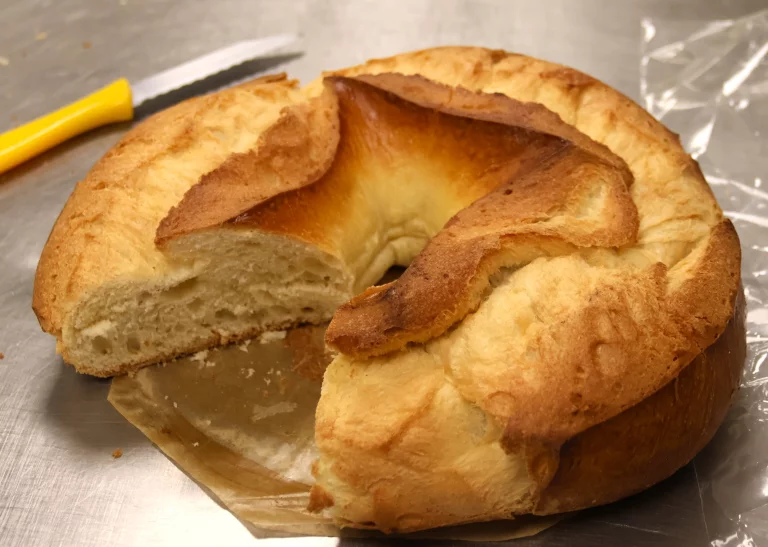
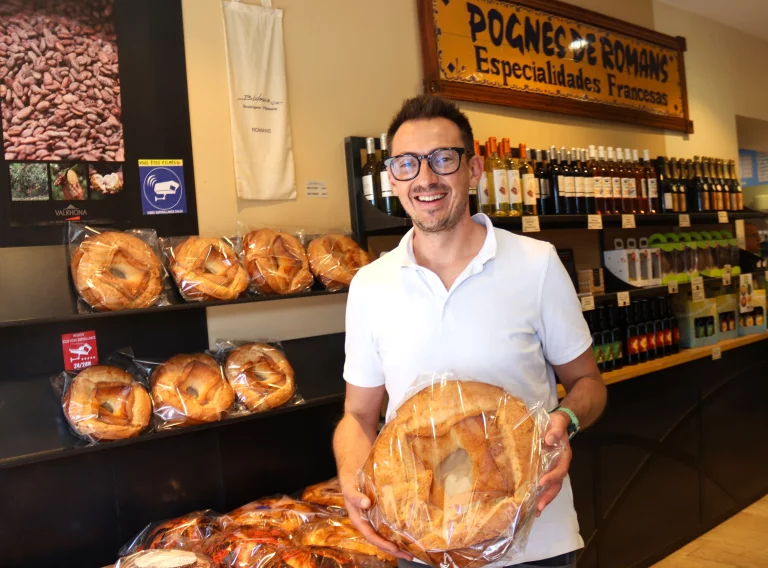
Traditionally enjoyed at Easter, it celebrates the end of the Christian Lent, a period during which eggs were forbidden. Their return to recipes gave rise to this generous and fragrant brioche, a symbol of renewal and sharing.
But why is it called "pogne"? We asked Jérémy Bédouin, who, along with his brother Sébastien, carries on the family tradition in their bakery-pastry shop.
"In the Middle Ages, 'pogne' referred to a unit of measurement: the hand, the handful. The baker would take a handful of bread dough to make these brioches. Originally, they were prepared for Easter to celebrate spring and the resumption of egg-laying. The recipe is simple: a bread dough enriched with sugar, butter, eggs, and orange blossom."
Simple in appearance only. For behind this brioche lies true artistry. Some bakers replace orange blossom water with rum or Muscat de Rivesaltes to give it even richer notes. At Bédouin, this indulgence also comes in chocolate versions, with crunchy praline, or even adorned with candied orange peel.
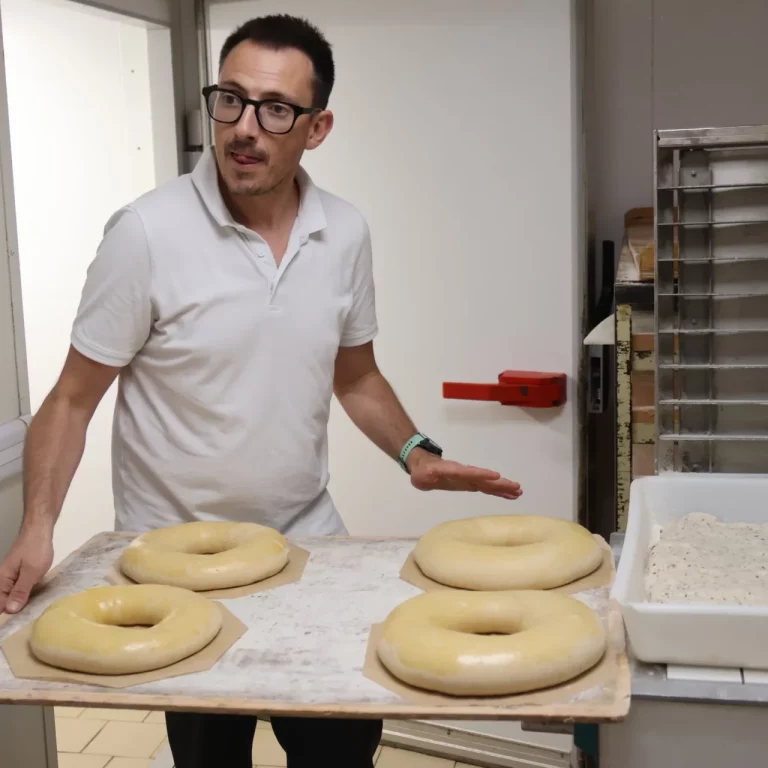
Making a true pogne requires above all time... a lot of time. Between preparing the sourdough starter, the long resting hours and the slow fermentation, nearly three days are necessary before even considering baking.
"The gentle kneading lasts at least an hour. After a first rise in the open air, the dough rests for a long time in a cool place so that all the aromas can develop. Then comes the shaping into a ring. In the old days, the baker would form the central hole with his elbow! Before baking, the pogne is carefully glazed with a mixture of egg yolk, whole egg, and cream. Baking only takes place on the fourth day."
The result? A meltingly soft, delicately flavored crumb and a shiny crust that irresistibly invites you to taste it.
Depending on the season, the Bédouin bakery prepares between five and one hundred pognes a day. Highly sought after at Easter, they are also a staple at family gatherings around All Saints' Day. And thanks to visitors, this Drôme specialty can now be enjoyed year-round, a delicious souvenir of the region that easily fits in your luggage.
So, would you like another little handful of happiness?
Practical information
Bédouin Bakery and Pastry Shop, 64 Place Jean Jaurès, 26100 Romans-sur-Isère, Tel. +33 (0)4 75 05 12 89