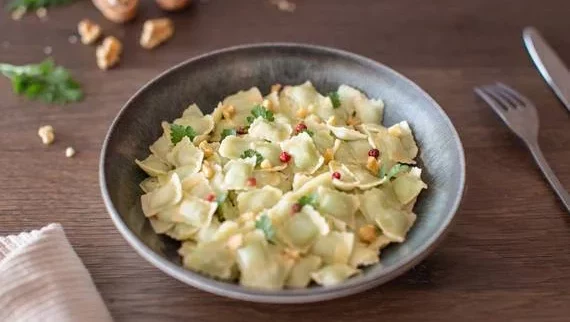
At first glance, ravioli evokes its Italian cousin. No wonder: according to tradition, Italian charcoal burners and woodcutters who came to work in the Vercors region in the 16th century adapted their ravioli by replacing meat, a rare commodity at the time in France, with goat's cheese. A recipe born of simplicity and necessity.
Long considered a humble dish, ravioli has gradually become a staple on festive tables. At the beginning of the 20th century, "ravioli makers" still travelled the region's farms to prepare these precious morsels for weddings and large family gatherings.
Among them was Marie-Louise Maury, née Gélibert, daughter and granddaughter of ravioli makers. In her café in Romans-sur-Isère, she served her ravioli to her regulars even as this traditional craft was gradually disappearing. Her grandson, Maurice Donnadieu, would play a decisive role in the family business by inventing a ravioli maker, a machine capable of reproducing the artisanal technique on a larger scale.
Even today, despite changes in ownership, the company (currently headed by Grégory Manoukian) continues the family legacy. During a visit to the Ravioli City, Thierry Pesseas passionately shares the secrets of its production.
“We are fortunate to possess Marie-Louise Maury’s original recipe,” he explains.
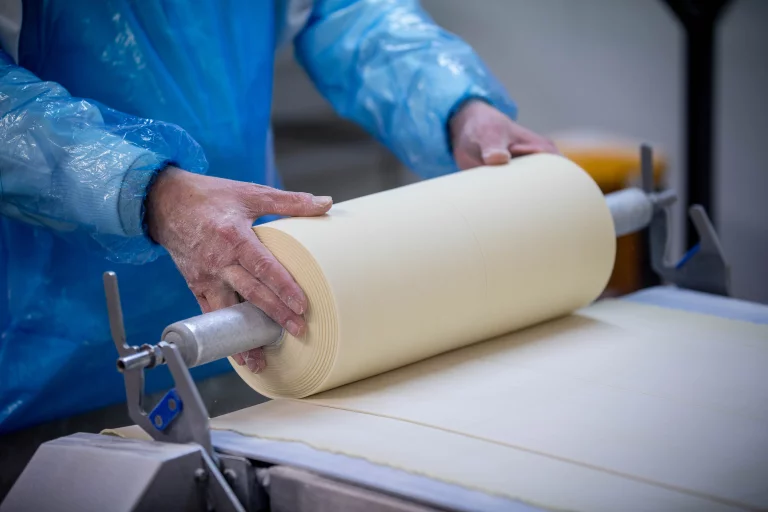
The first secret lies in the dough. Remarkably thin, it measures only 1.2 millimeters thick. To achieve this result, it passes through a rolling mill several times until it becomes almost translucent.
Next comes the stuffing, generous and fragrant.
While the company now offers variations with porcini mushrooms, basil, truffle, foie gras, or even chocolate, the traditional recipe remains by far the most popular with consumers. Comté cheese, parsley, butter, fresh cheese, and eggs make up this delicate mixture that has made the ravioli famous.
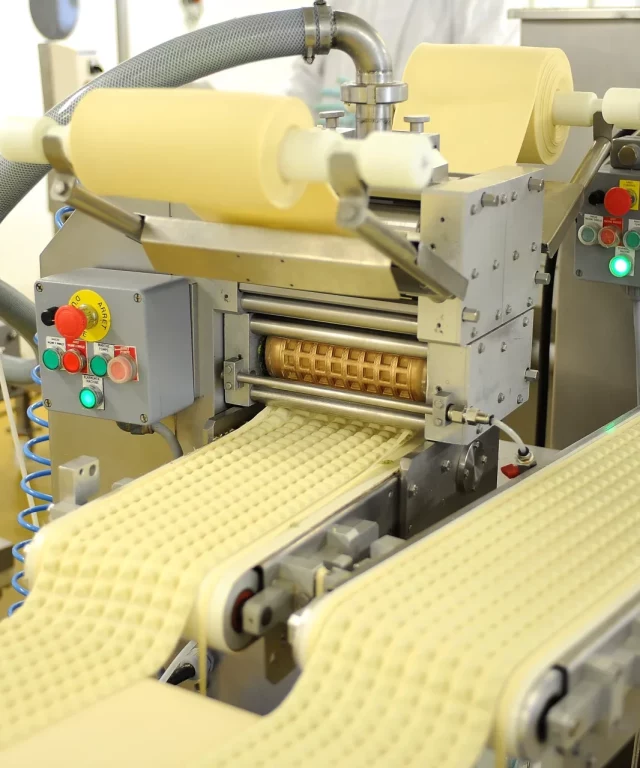
The virtual tour of the factory reveals other fascinating details. The parsley, for example, must be cooked with extreme precision: just enough to develop its aromas without altering them. A specially designed machine in the Drôme region then assembles the two thin layers of pastry around their generous filling.
Because the ravioli from Romans leaves nothing to chance. Benefiting from both a Label Rouge and a PGI (Protected Geographical Indication), it is made from rigorously selected ingredients. Remarkably, the filling alone represents almost half of the product.
After all these explanations, the long-awaited moment finally arrives: the tasting.
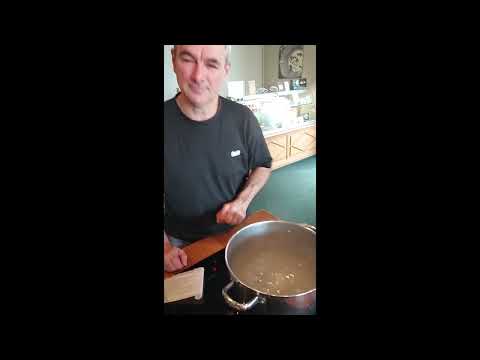
And perhaps that's where the ravioli's greatest charm lies. Despite its refined image, its preparation is deceptively simple. When the water simmers, the ravioli sheets are gently lowered into the water and immediately detach. A few movements with a slotted spoon, barely 90 seconds of cooking, and the little pillows of pasta rise to the surface.
On the plate, the pastry melts almost instantly while the filling releases its aromas of cheese and parsley. A comforting dish, ready in a flash, perfect for those evenings when you get home late and the fridge is nearly empty. Just one more reason to always keep a few trays in the freezer...
Practical information
Practical information
Ravioles Mère Maury, Ravioli City
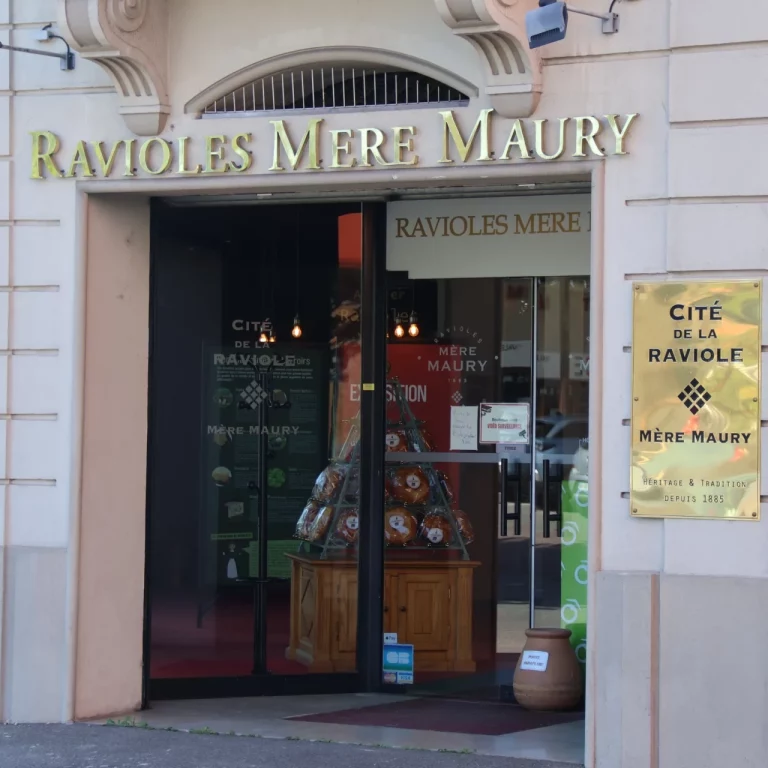
Located in the heart of Romans-sur-Isère, the Cité de la Raviole (Ravioli City) offers visitors the opportunity to discover the history of this iconic specialty, its ingredients, the different stages of production, and preparation tips. A video also provides a virtual tour of the factory and showcases the semi-artisanal production methods.
Address: 33 boulevard Gabriel-Péri, 26100 Romans-sur-Isère
Website: Mother Maury Ravioli
Schedules :
Monday: 9am to 12pm and 3pm to 7pm
Tuesday to Saturday: 9am to 12:30pm and 2pm to 7pm
Sunday: 9am to 12:30pm
They can be enjoyed in several ways:
As a gratin , with a little fresh cream and grated cheese for a warm and comforting dish.
In a light broth, for a delicate and fragrant starter.
Sautéed in a pan with a drizzle of olive oil and some fresh herbs to bring out the subtle taste of the pasta and cheese.
They are simply served with a green salad.
With a glass of dry white wine from the region, for example a Crozes-Hermitage, this simple dish becomes a delight.