Here, there's no question of devouring the kilometers at breakneck speed, engine screaming. The road is savored in stages, taking the time to stop, walk, stroll, and taste. A coffee in a village, a pastry in a small town, a hike to a lake, a chapel glimpsed around a bend…
The history of this route begins in 1858, with a journey by King Maximilian II of Bavaria. However, it was only in 1960 that the various sites visited by the sovereign, between Lake Constance and Berchtesgaden, were truly linked by this tourist route.
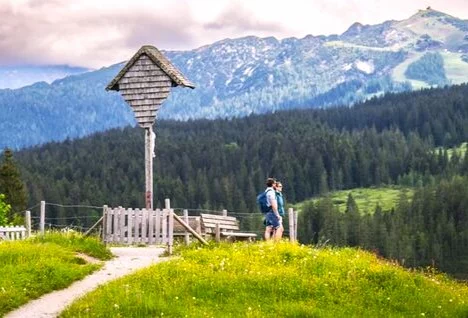
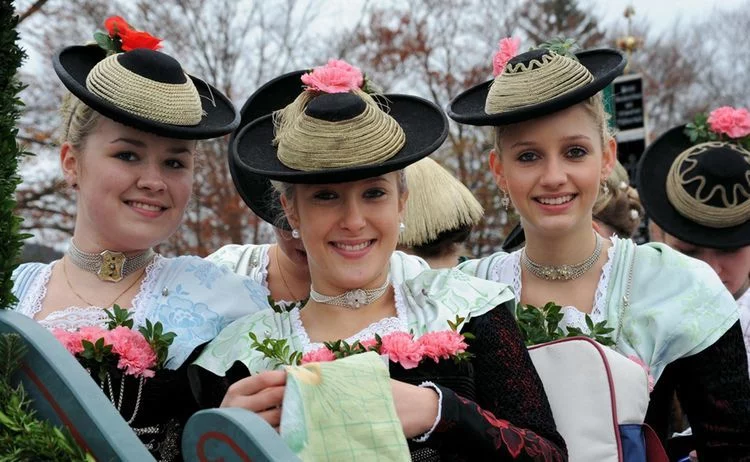
Today, this route offers the opportunity to discover the incredible diversity of Bavarian landscapes. It boasts 25 remarkable castles, abbeys, and churches, not to mention the countless small chapels and old wooden crosses that dot the landscape. As for the villages, each possesses its own traditions, festivals, and unique character. In short, it's an invitation to slow down… and savor the Bavarian way of life.
Lindau, the gateway
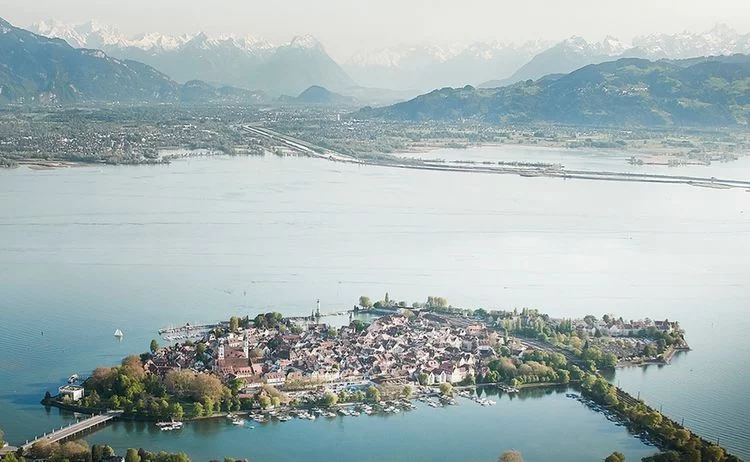
Our journey begins in Lindau, the official gateway to the route. The town possesses an undeniable charm: its historic center is located on an island in Lake Constance, at the crossroads of four countries – Germany, Austria, Switzerland, and Liechtenstein. This location immediately gives it a cosmopolitan atmosphere and a perpetual holiday feel.
At the harbor entrance, an imposing Bavarian lion carved in sandstone stands guard over the old lighthouse, whose origins date back to the 13th century. A stroll along the quays is all it takes to soak up the atmosphere. On Maximilianstrasse, the main shopping street, and then in the narrow streets of the historic center, the charming facades beckon you to look up.
Among the sites to discover: the old town hall adorned with frescoes, the Brigands' Tower, the Saint-Pierre church or the Cavazzan house.
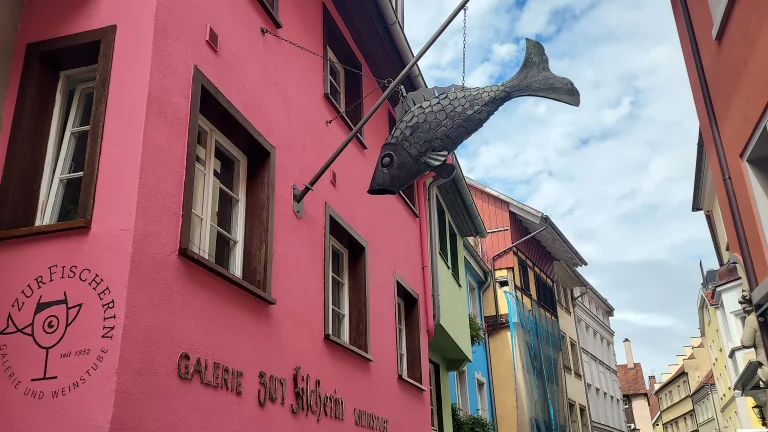
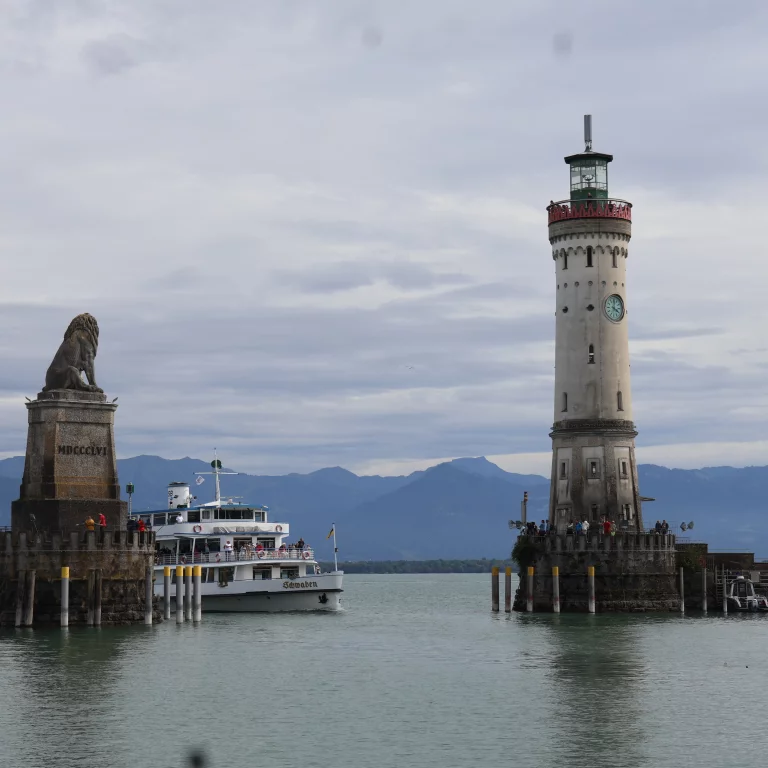
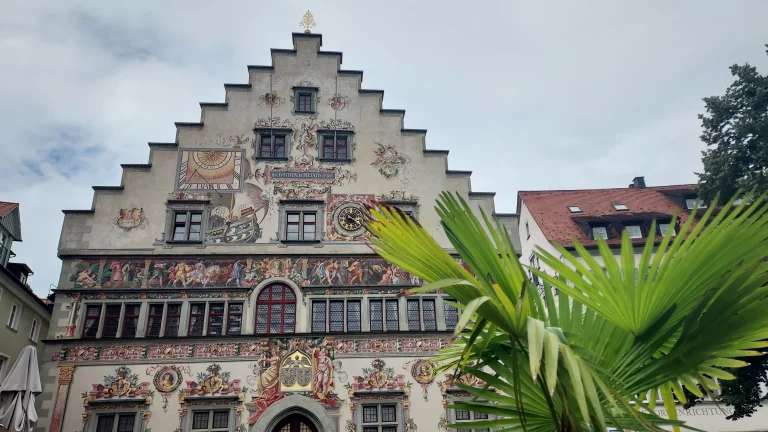
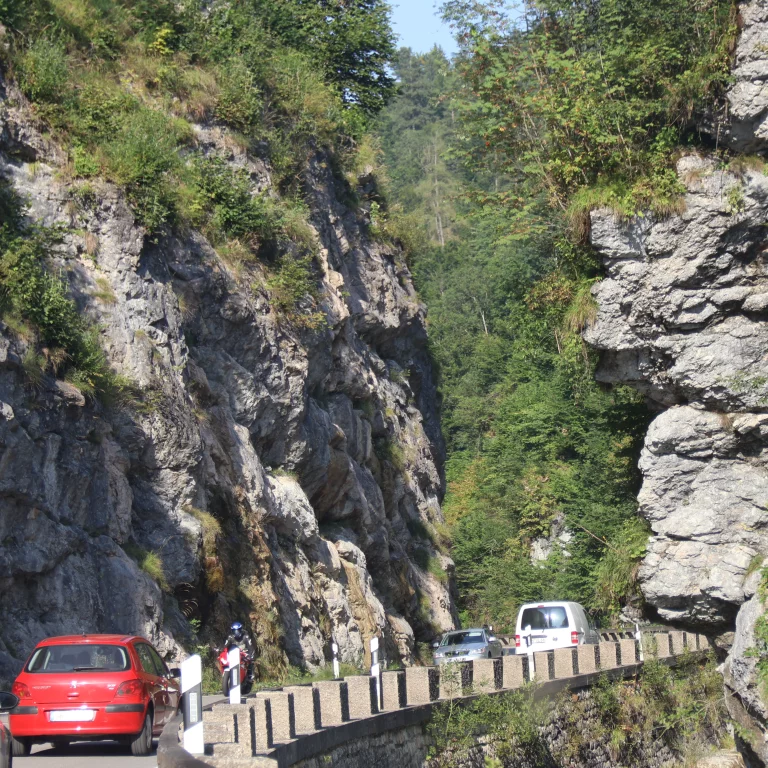
After the drive to Lindau, we decided not to overdo it on this first day. We headed towards Scheidegg, in the Allgäu region. Just twenty short kilometers… but seven hairpin bends to get there!
Scheidegg, first breath
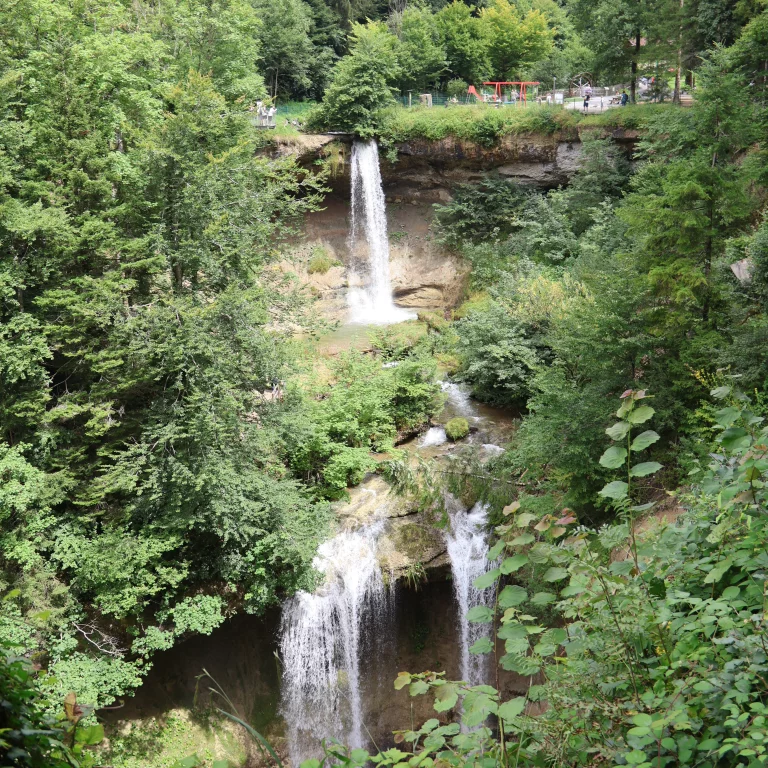
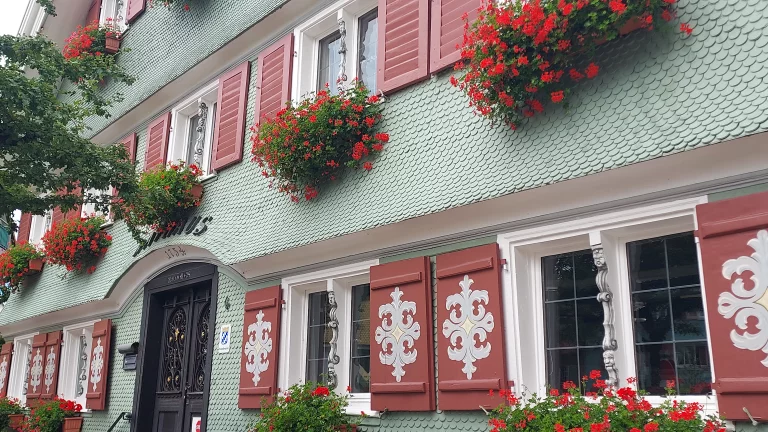
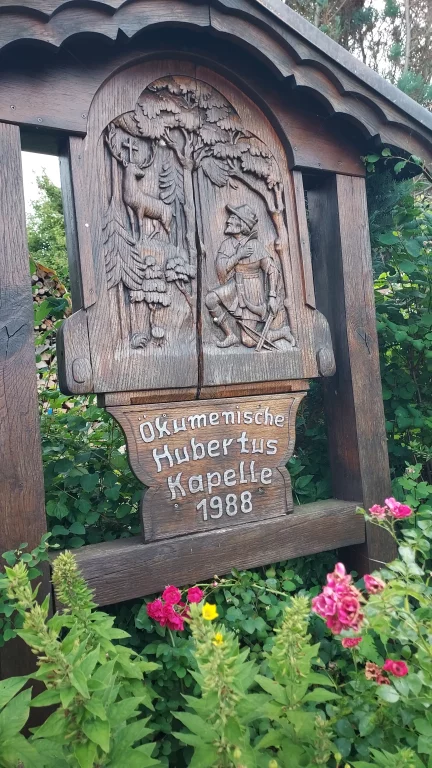
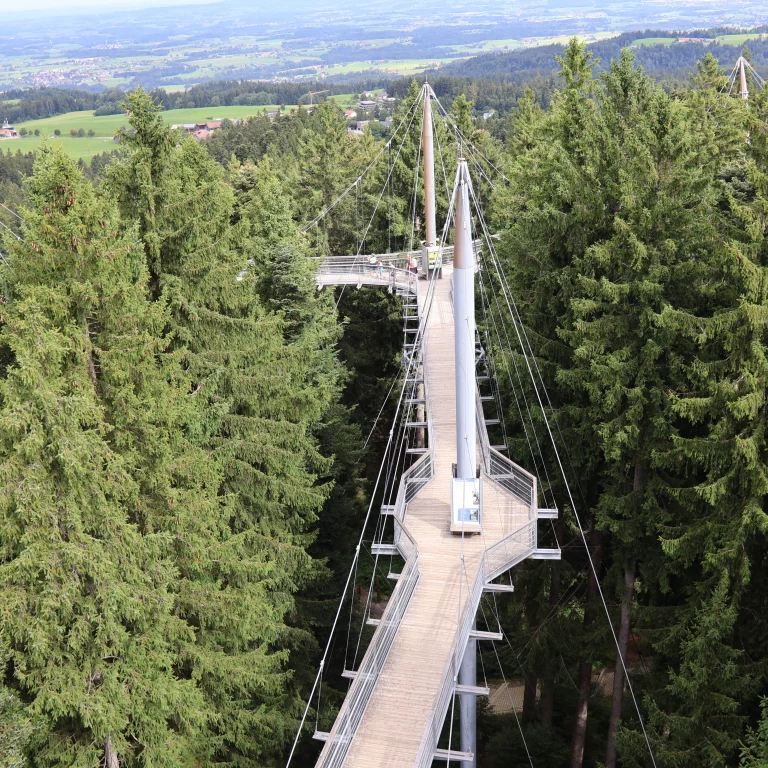
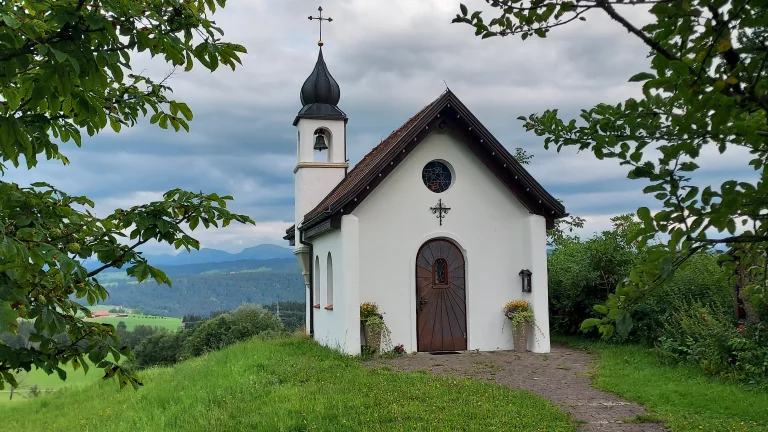
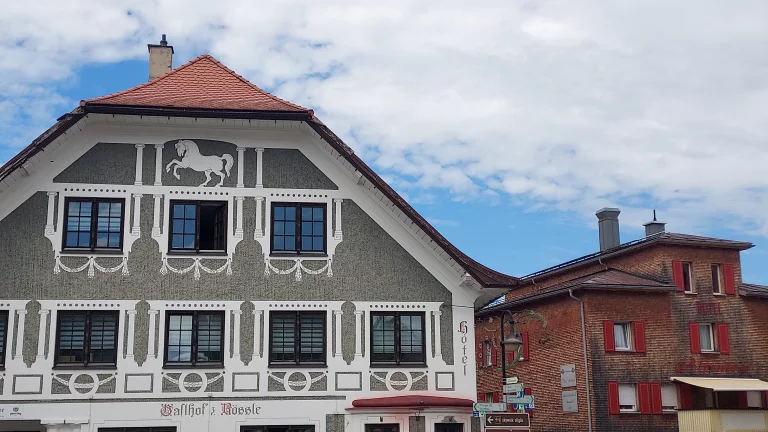
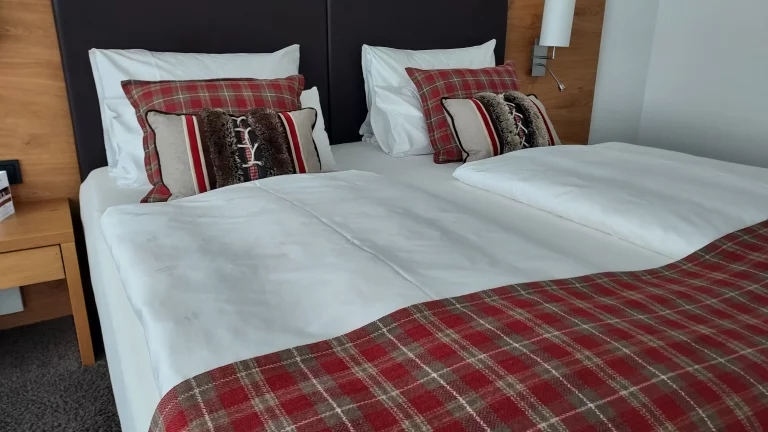
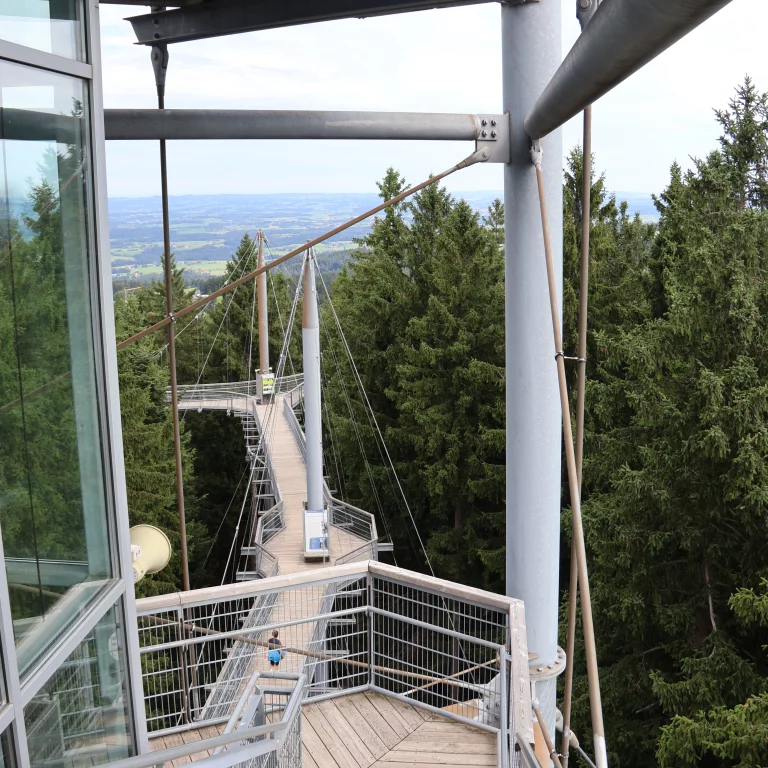
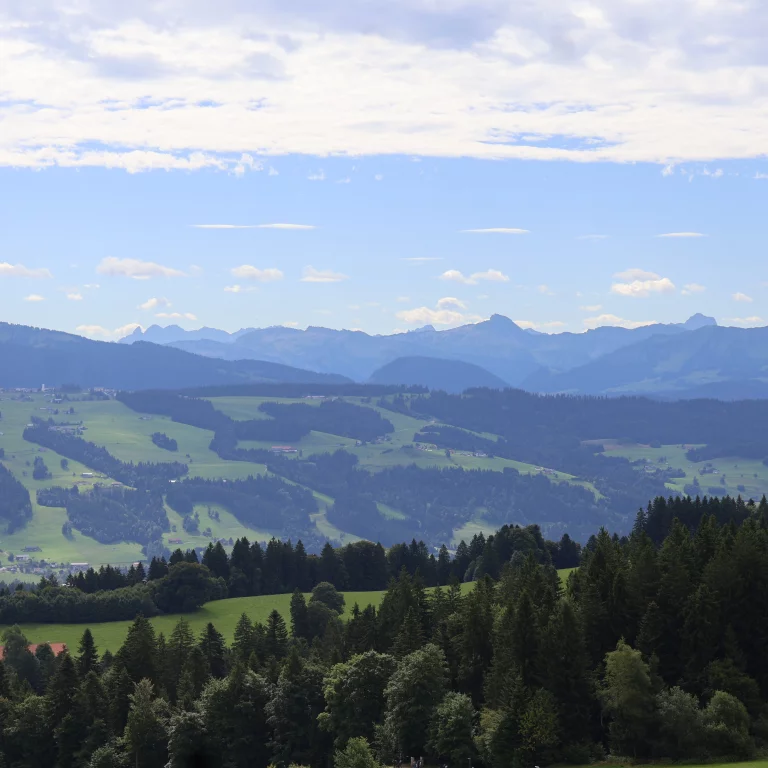
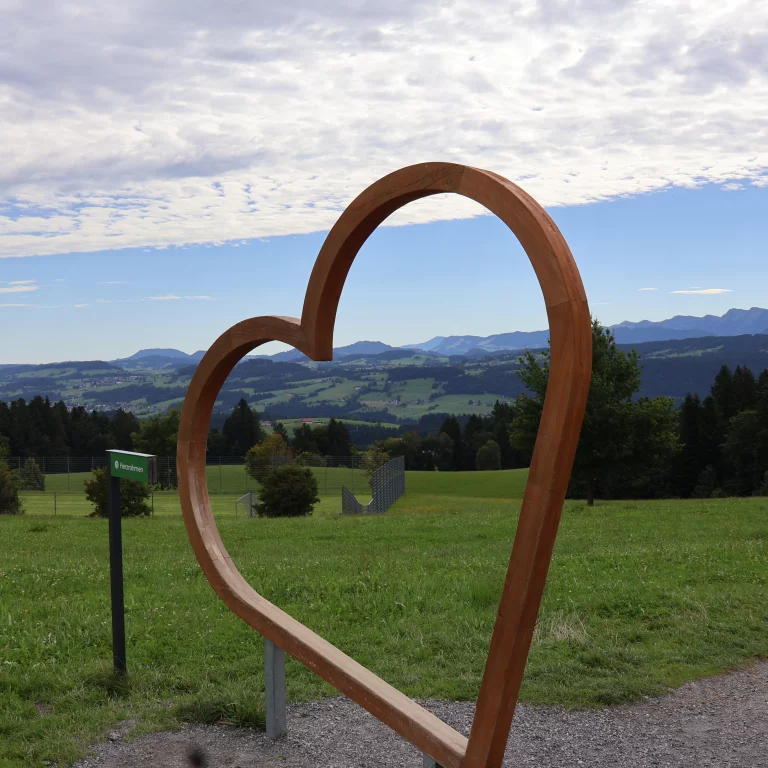
With its charming houses covered in colorful shingles, Scheidegg is an ideal place to get a breath of fresh air. Nature lovers can hike to waterfalls or the adventure forest. The small town is also known throughout Germany for its many gluten-free culinary options.
Scheidegg – Füssen, the royal stage
We resume our journey towards Füssen. The road passes through Oberstaufen, Bad Hindelang, and then crosses the Oberjochpass. The bends come one after another, but it's hard to complain: with each hairpin turn, the landscape changes and offers a new view of the peaks.
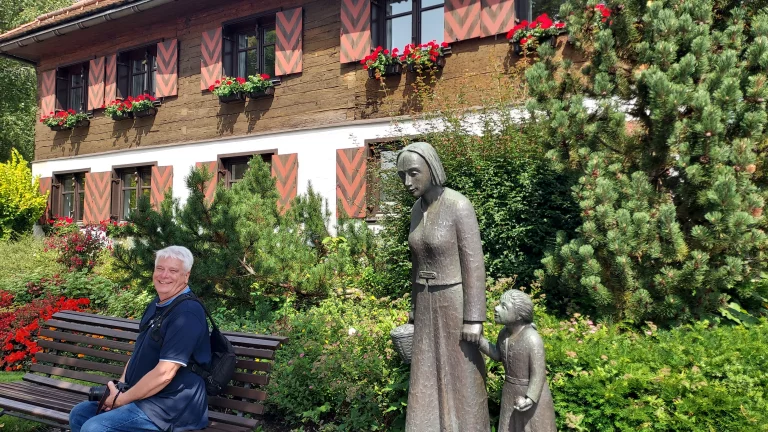
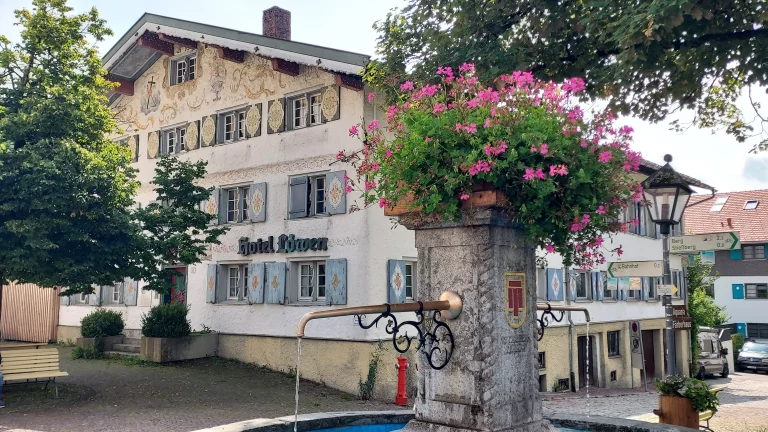
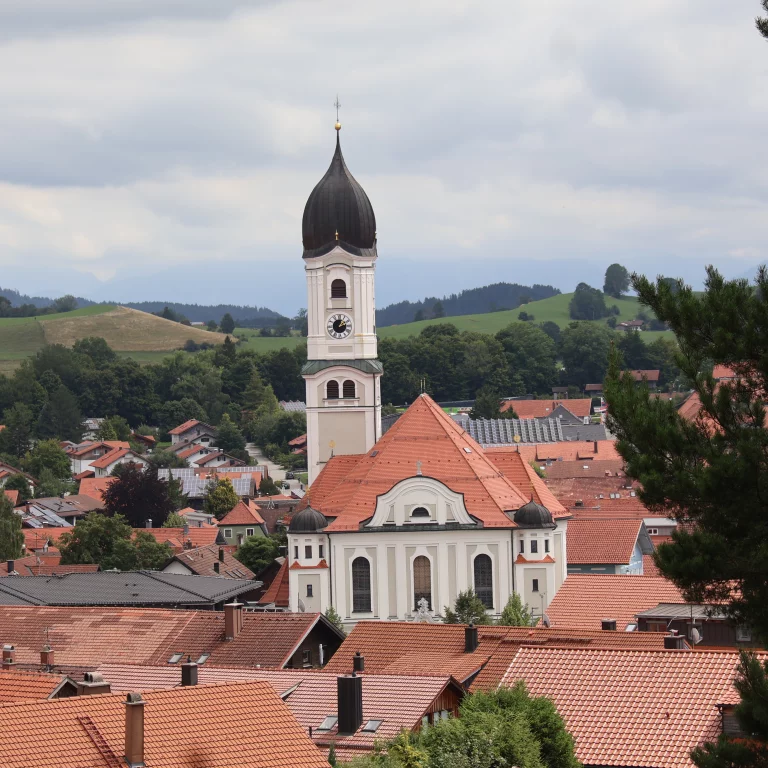
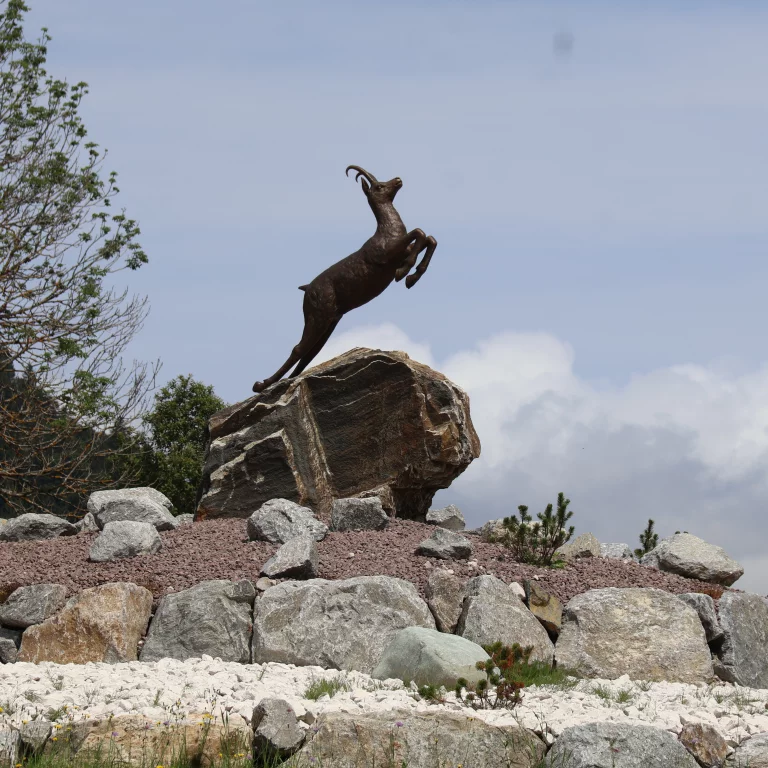
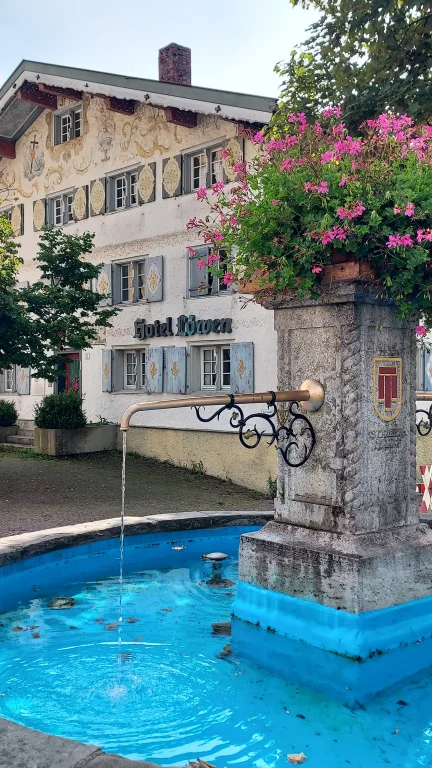
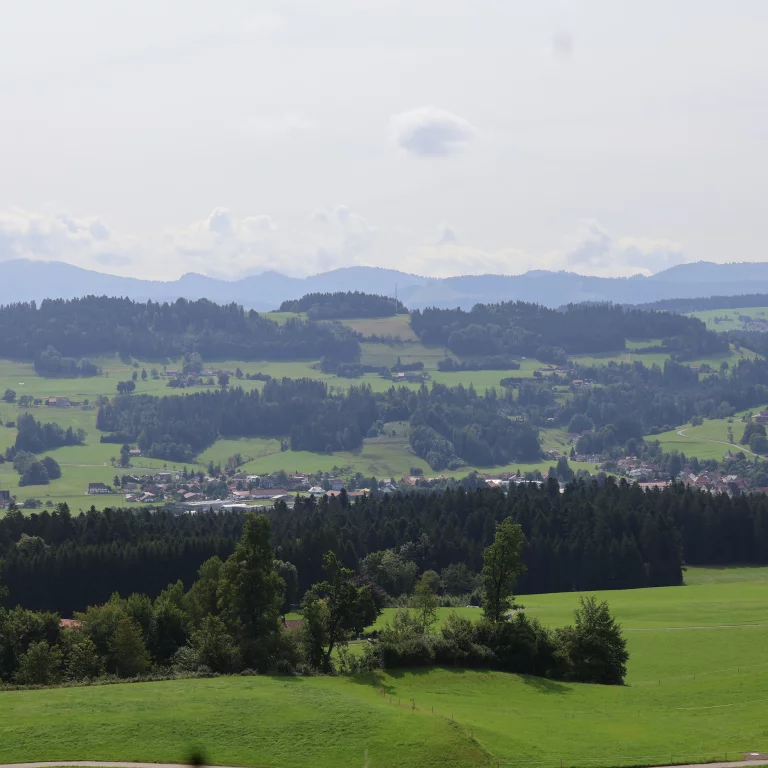
The mountains are majestic, the valleys verdant, the villages dotted with traditional houses boasting carved balconies and overflowing with flowers. Here, there's no need to watch the speedometer: the speed decreases almost naturally. And we stop often. For a coffee, a pastry… or simply because a view deserves five minutes of contemplation.
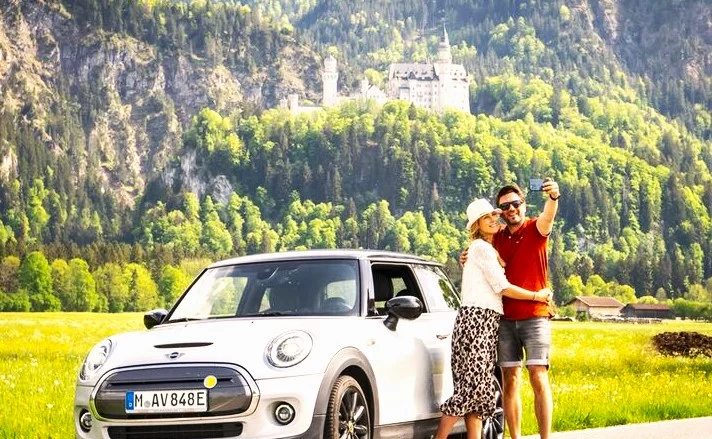
And then, suddenly, around a bend in the road, turrets appear.
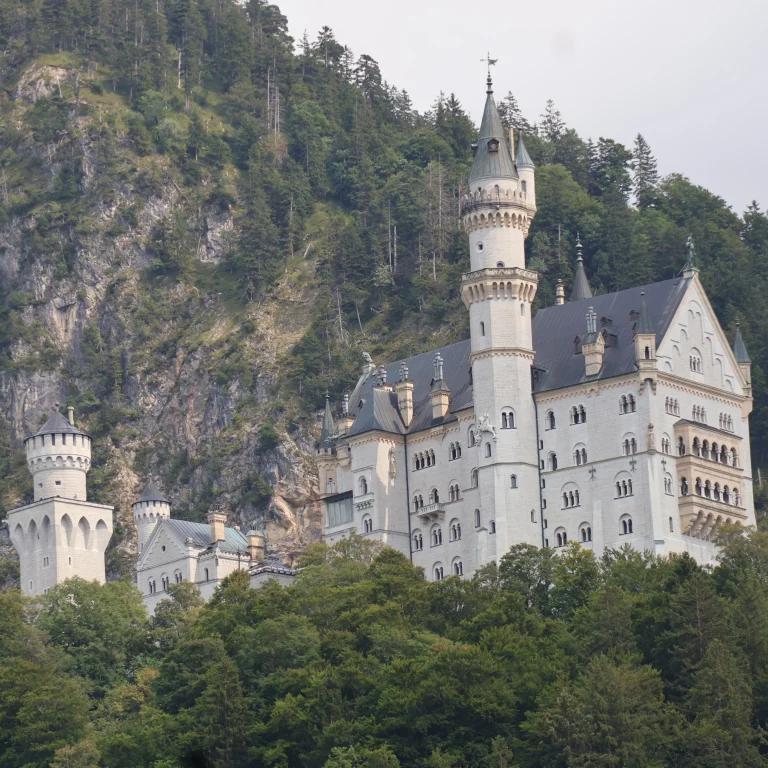
Neuschwanstein!
The fairytale castle of Ludwig II of Bavaria seems to have sprung straight from a fairytale. A visit is obviously a must, as is a visit to Hohenschwangau, his father's castle. But I highly recommend starting with the Museum of the Bavarian Kings. It provides a deeper understanding of the dynasty's history, the political context, and Ludwig II's personality. Afterward, one appreciates the extravagances of this builder king even more.
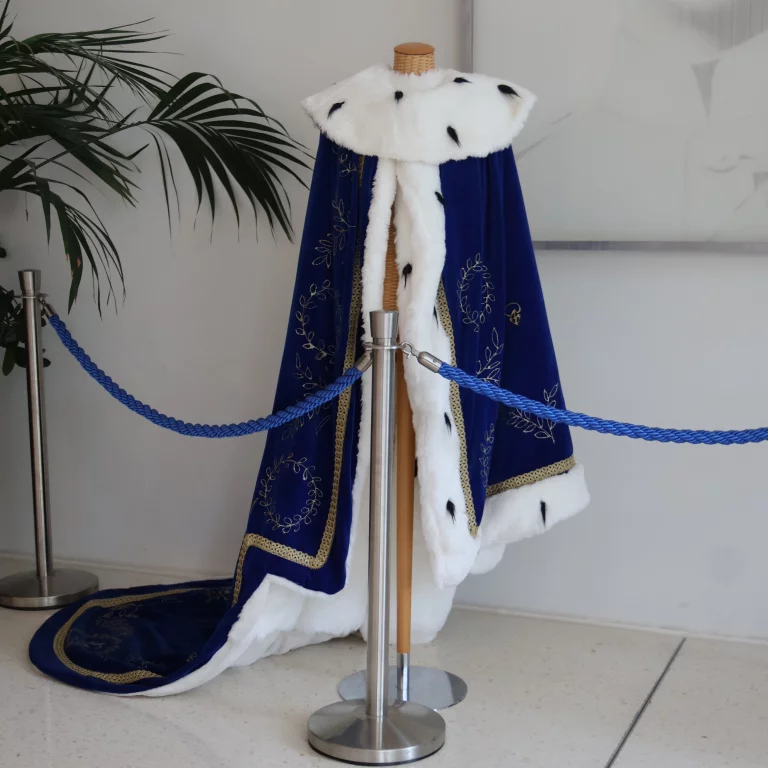
And, I confess, it is difficult for me to remain reasonable in front of Neuschwanstein: I am fascinated by the story of Ludwig II and I succumb without resistance to the magic of the place.
One word of caution: book your tickets in advance . The castle's popularity lives up to its reputation.
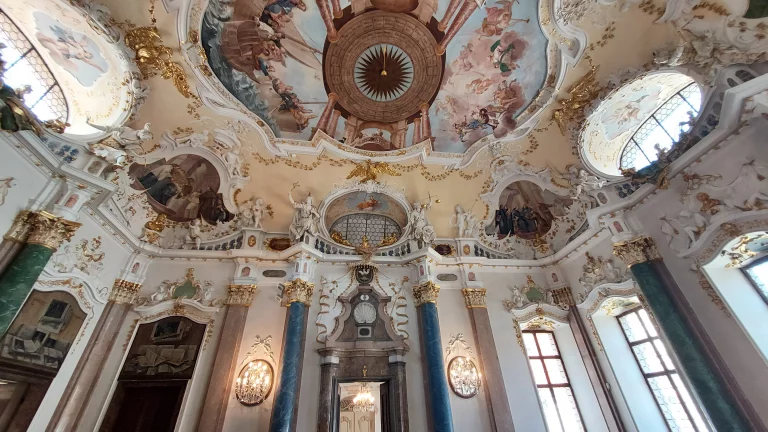
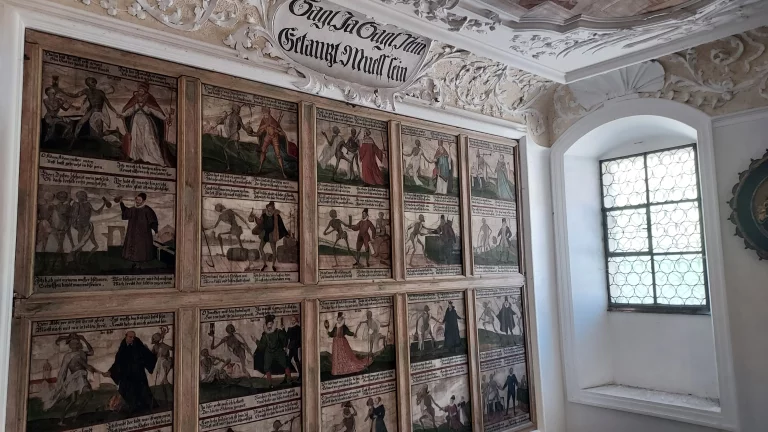
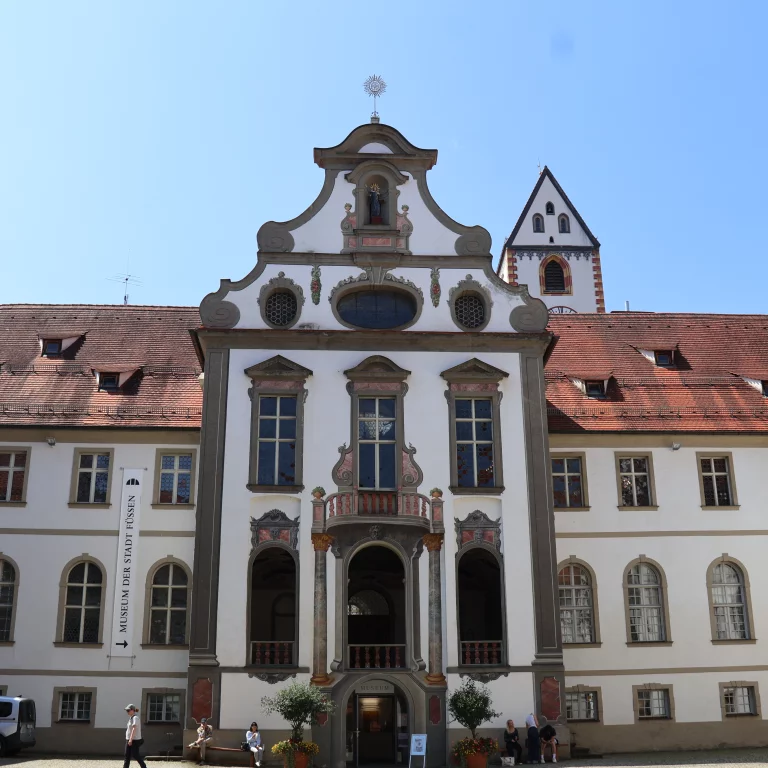
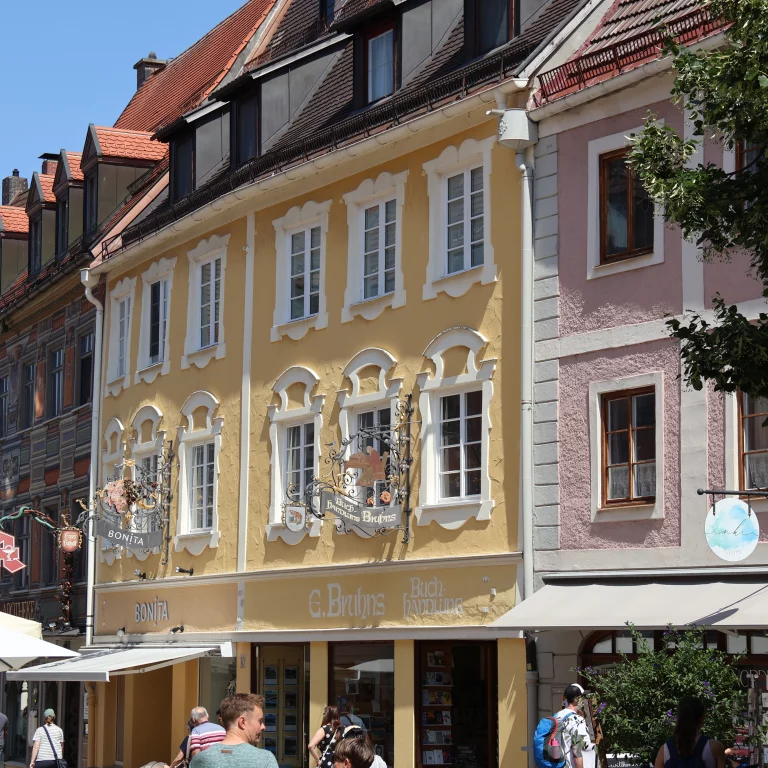
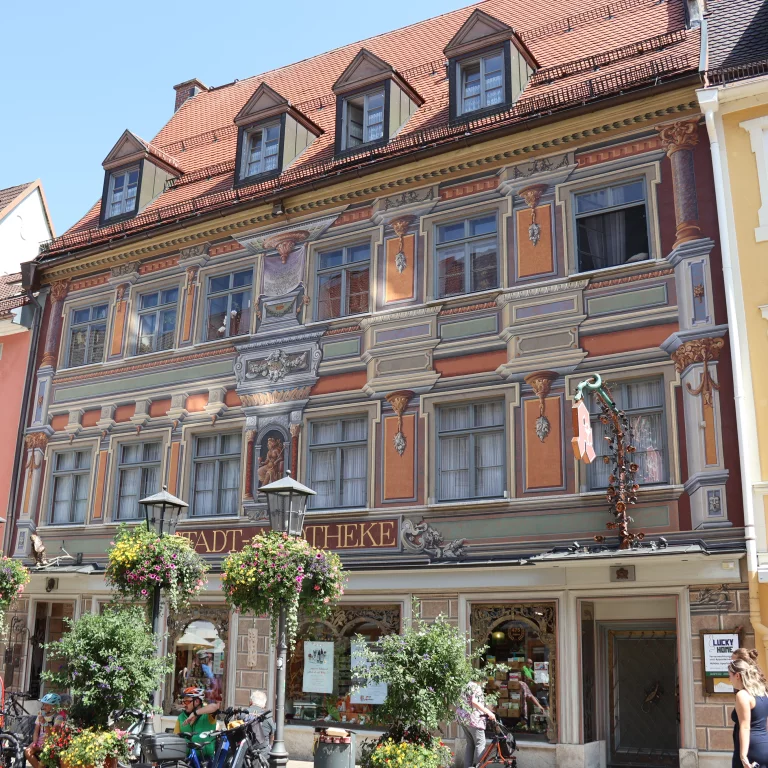
But the region isn't just about castles. It would be a shame to leave without taking the time to discover Füssen, a charming little town with Gothic facades. The municipal museum, housed in the former Benedictine Abbey of Saint-Magne, is particularly worth a visit.
Füssen – Garmisch-Partenkirchen, to rise
One last look towards Neuschwanstein — yes, one more! — and we're back on the Deutsche Alpenstrasse.
We then cross the Pfaffenwinkel , literally the "priests' corner," so named because of its 159 churches and numerous abbeys.
The route thus initially takes on a very spiritual character.
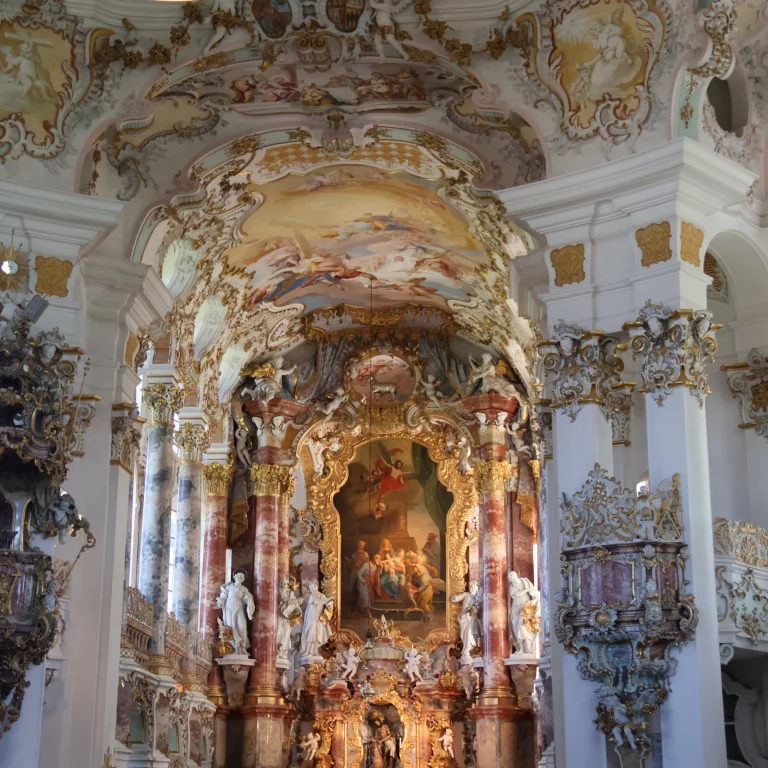
First stop: the magnificent pilgrimage church of Wies, then Oberammergau, famous for its Passion Play held every ten years and for its houses with abundantly painted facades.
Next comes the baroque Ettal Abbey, whose brewery we absolutely must visit. Because Bavarian spirituality can also be indulgent!
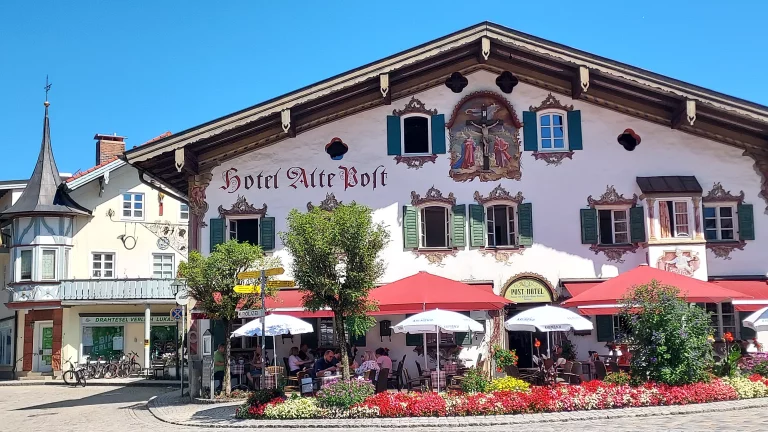
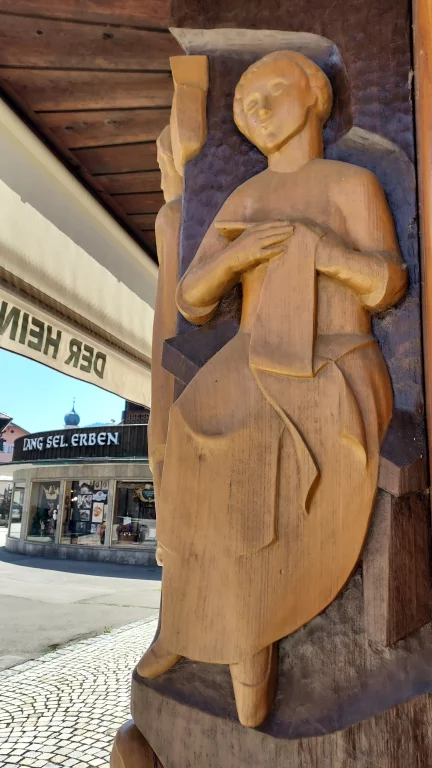
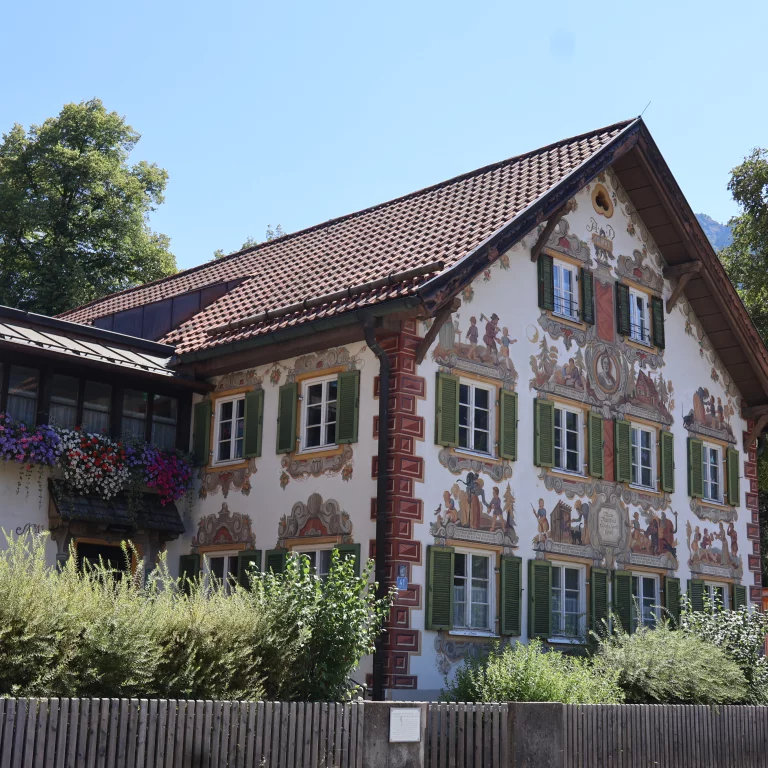
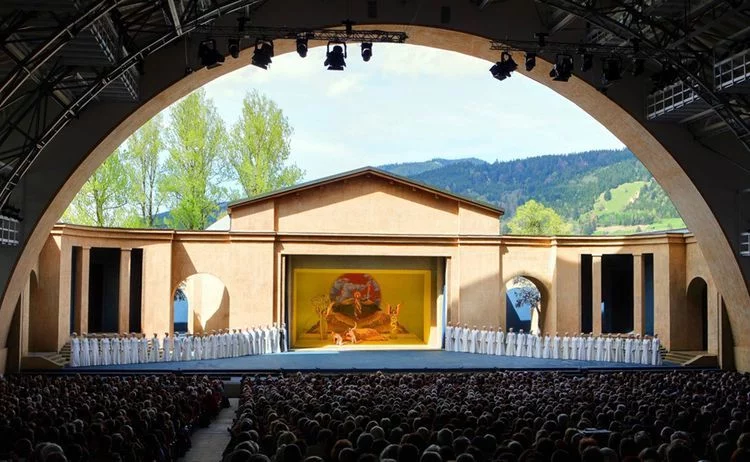
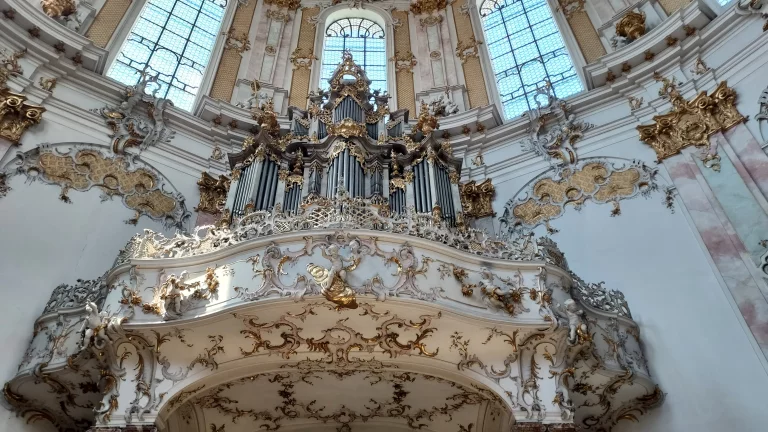

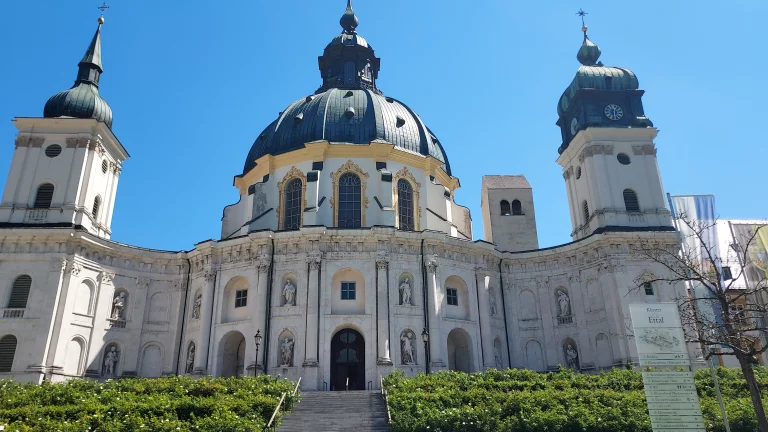
Then the landscape changes again and we gain altitude.
Here we are in Garmisch-Partenkirchen, at the foot of the Zugspitze , Germany's highest peak, which rises to 2,962 meters. Naturally, the place attracts crowds. A cog railway and cable cars provide comfortable access to the "roof of Germany".
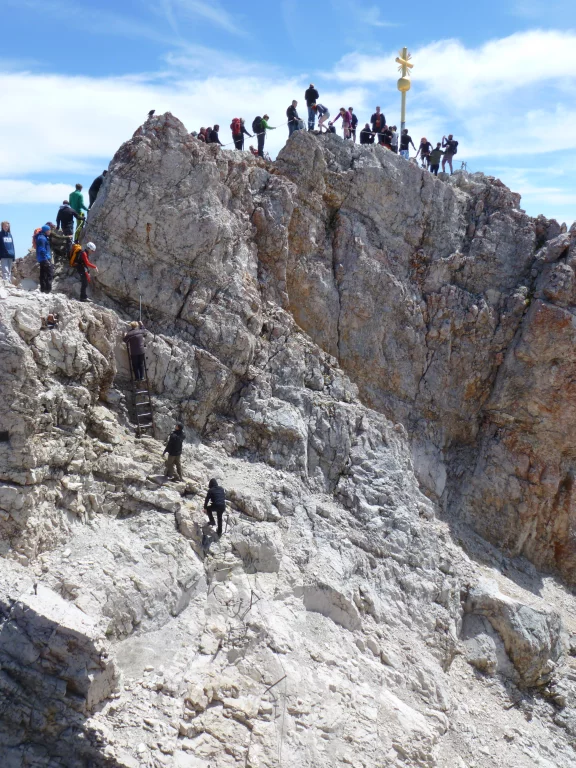
A little tip: take the first train, around 8 a.m., to avoid the crowds as much as possible.
Up there, the reward is spectacular: the panorama encompasses some 400 peaks, not only in Germany but also in Austria, Italy, and Switzerland. The cost of the climb is quickly forgotten in the face of such a view.
Be warned, though: even when the valley is sweltering in the heat, the thermometer can read between 0 and 15°C at the summit. So a down jacket might not be entirely unnecessary!
Garmisch-Partenkirchen – Tegernsee, in the land of lakes
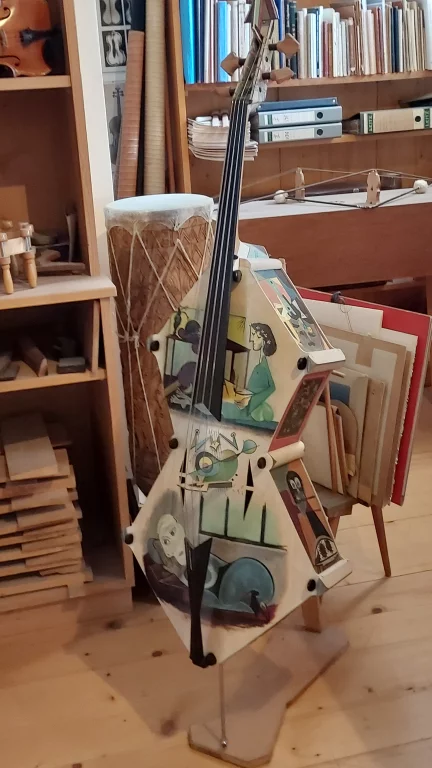
Before continuing on to Tegernsee, we make a detour to Mittenwald , the village of violin makers. Its painted houses are particularly charming, and here the frescoes don't stop at the facades: even the church steeple is adorned with them!
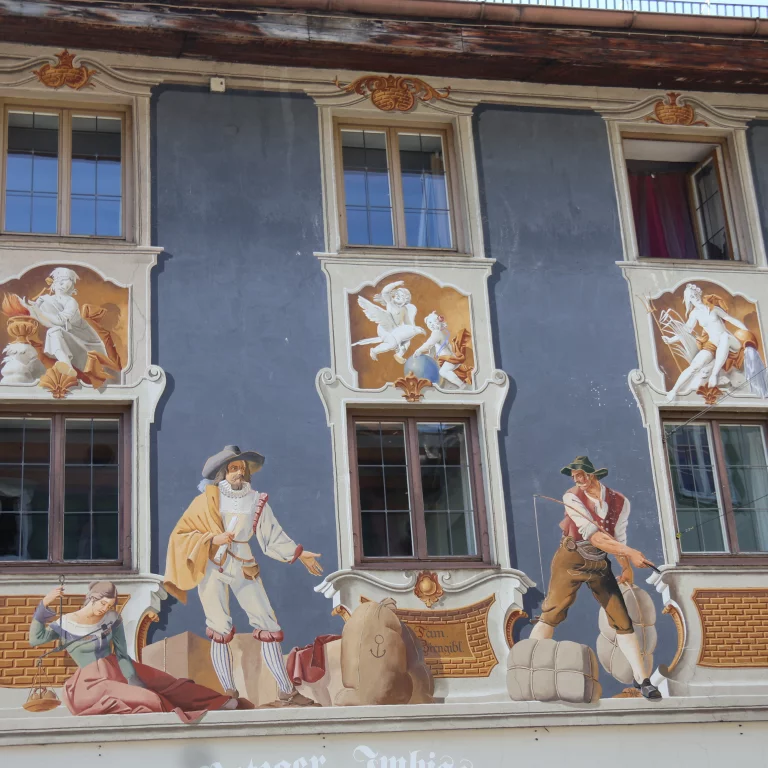
Then the road takes us into Upper Bavaria, in the heart of the Alpine lake region. Until now, our gaze had been drawn mainly to the mountains. Now, it is the blue waters that captivate us.
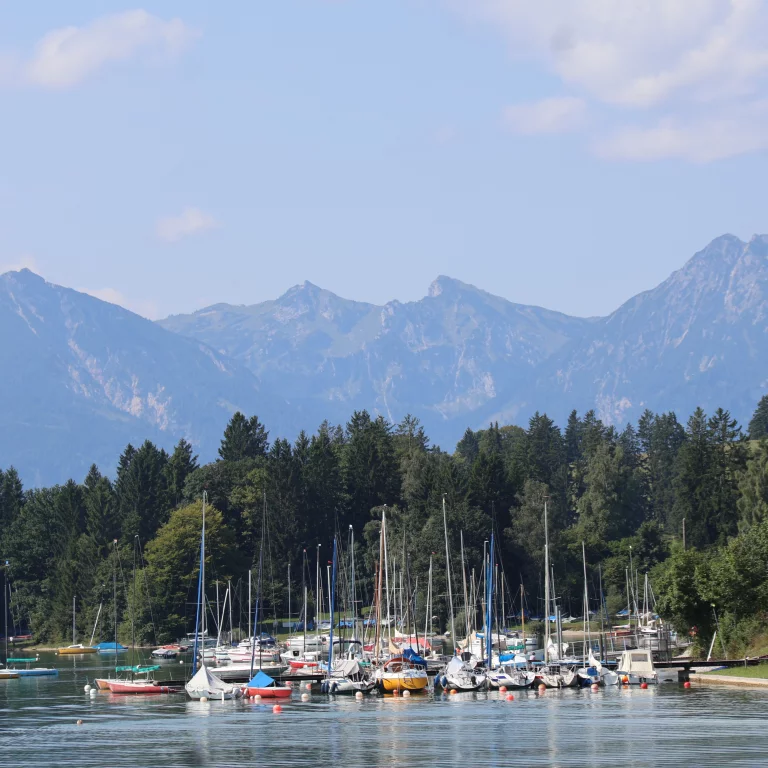
Walchensee, Kochelsee, Sylvensteinspeicher… The lakes unfold one after another, the landscapes become more peaceful. A few tranquil beaches invite you to swim and, above all, make you want to slow down a little longer.
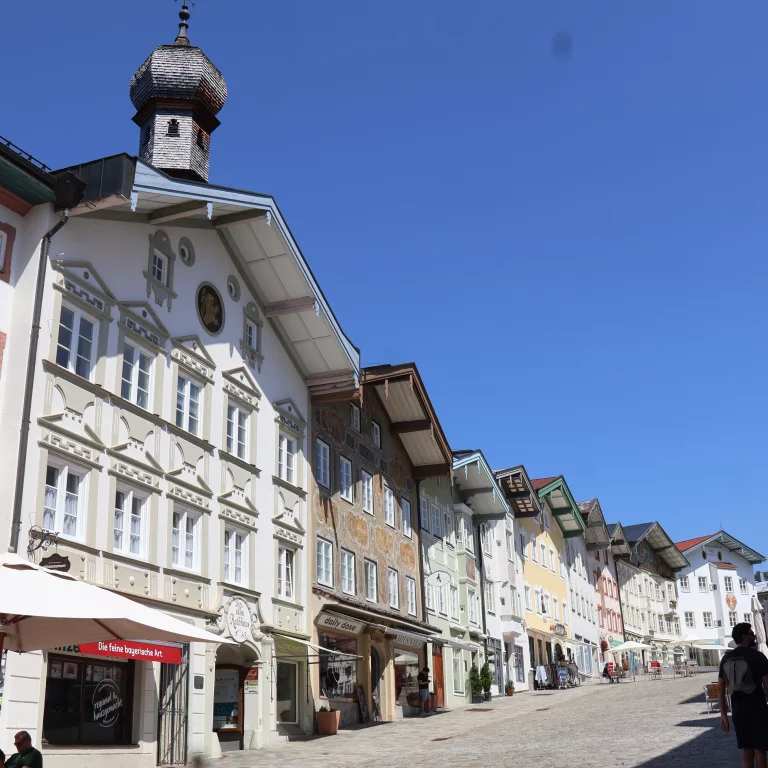
In Bad Tölz, we take a break in the old town located on the banks of the Isar. A stroll around the large market square, an ice cream — of course! — and we're back on the road.
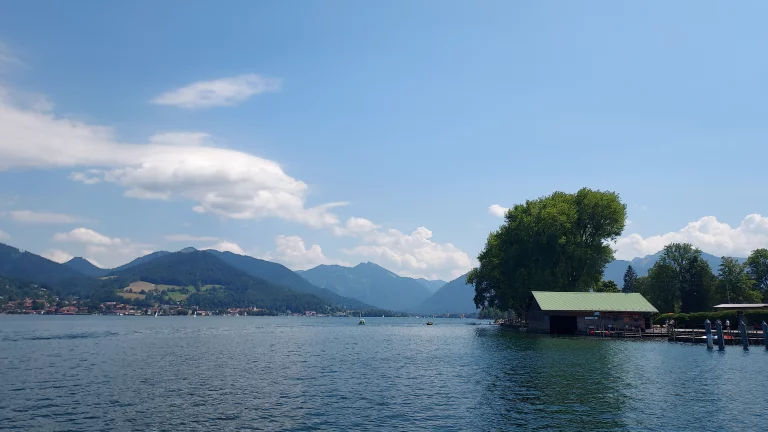
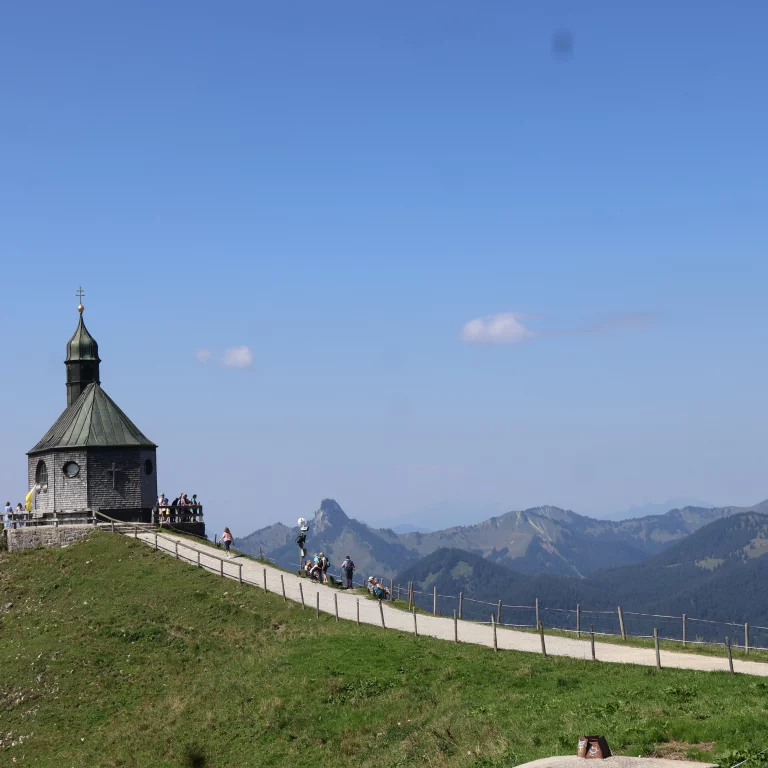
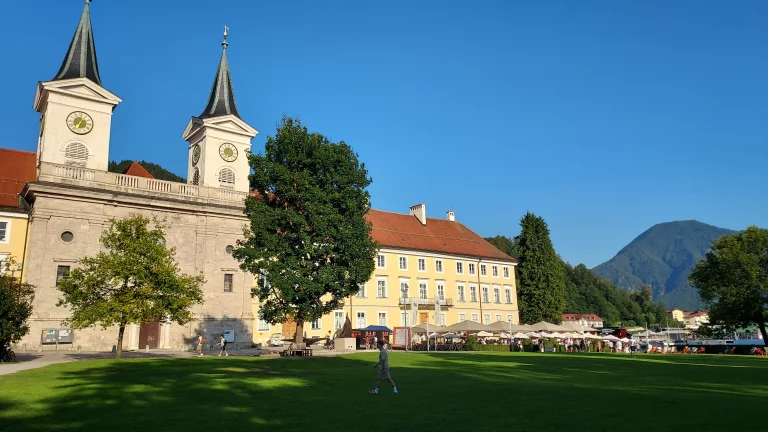
Our next stop is Tegernsee, a magnificent lake surrounded by mountains. We take a leisurely boat trip around it before gaining altitude, this time on the Wallberg. The cable car saves us most of the climb and allows us to enjoy a short hike at the summit.
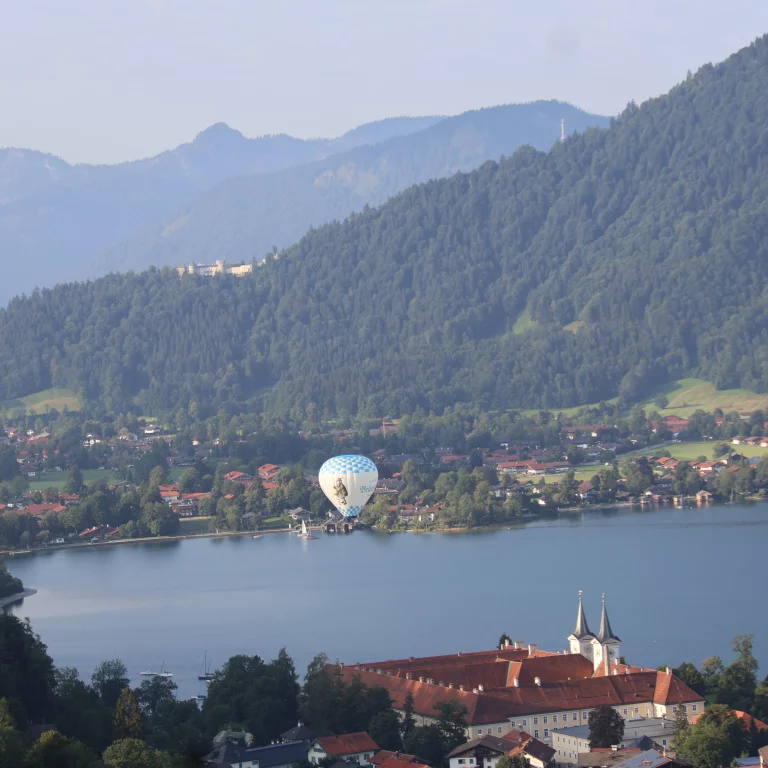
And after the effort comes, as is often the case in Bavaria, the reward: a good beer and a grilled pork knuckle, as succulent as it is enormous, with a view of the lake.
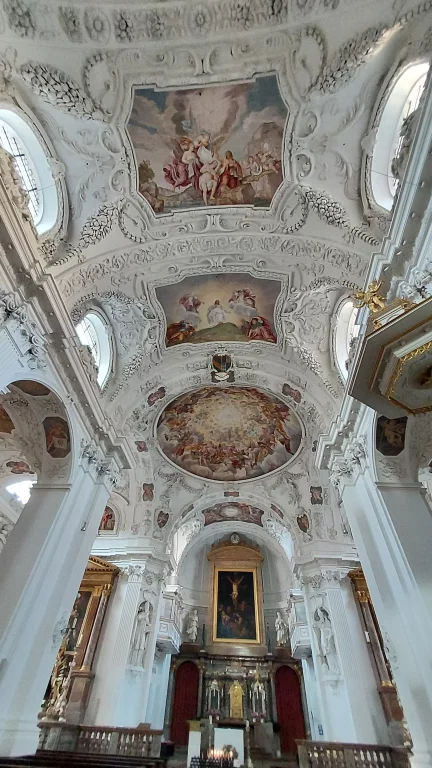
Tegernsee – Chiemsee, we wander around
There's more to Bavaria than just beer. Whisky lovers should stop at Lake Schliersee and the Slyrs distillery to sample Bavarian whiskey. But before getting back behind the wheel, a short hike is in order!
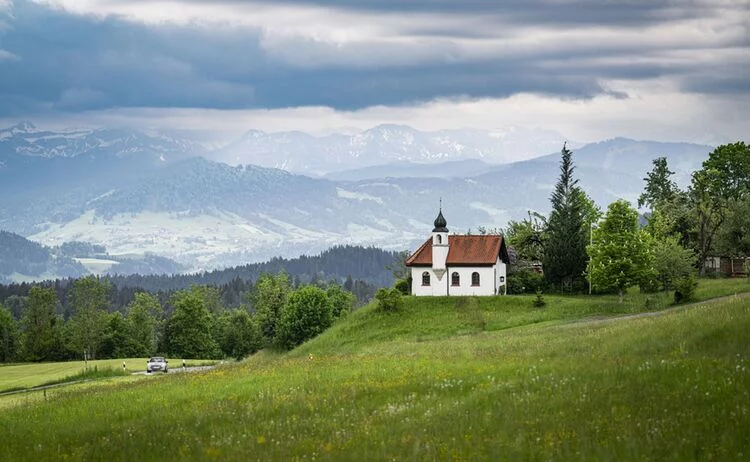
After the blue waters of Tegernsee we find ourselves once again in the bucolic landscapes that make the road so charming: mown meadows from which the scents of hay reach us, villages with flowered balconies and painted facades, small roads that climb towards a pass before descending into another valley…
In Neubeuern, we stroll through the pretty village dominated by a castle which unfortunately cannot be visited.
Then we make a longer stop in Aschau, the village with some 400 benches. Plenty of places to take breaks during a stroll. Here, everything invites you to unwind, like this unusual trail, the Aschauer Entschleunigungsweg , the "slow-down path." A perfect way to make up for the time spent in the car.
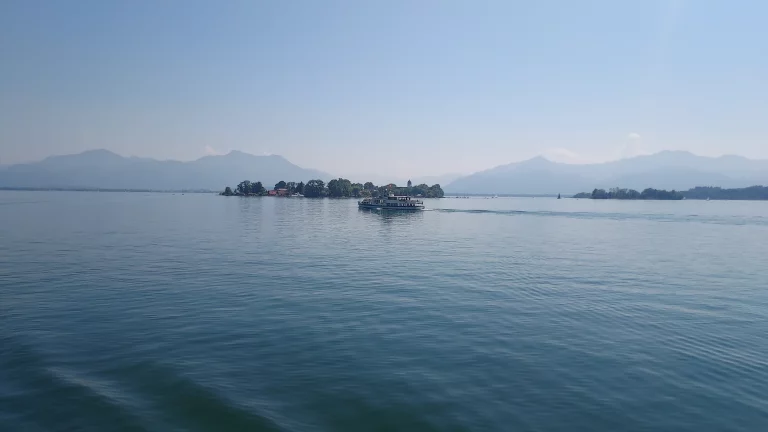
We finally arrive at Chiemsee , the largest lake in Bavaria, nicknamed with a certain emphasis "the Bavarian Sea". It must be said that with the Alps as a backdrop, the spectacle is magnificent.
Two islands make it famous: the peaceful Fraueninsel, the island of the Ladies, and the royal Herreninsel, the island of the Gentlemen.
On this latter site, Ludwig II, a great admirer of Louis XIV, had Herrenchiemsee built , his astonishing replica of the Palace of Versailles. The Bavarian king did not settle for mere inspiration: some of the rooms outright rival those of Versailles.
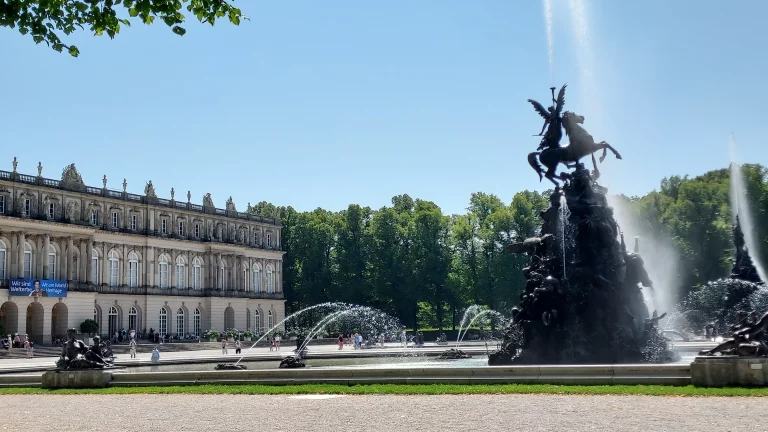
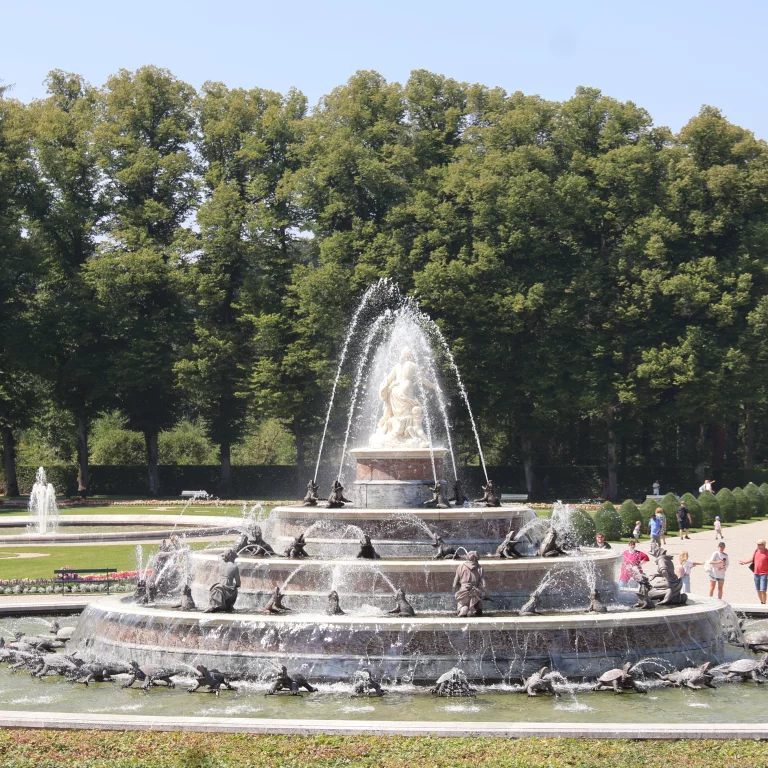
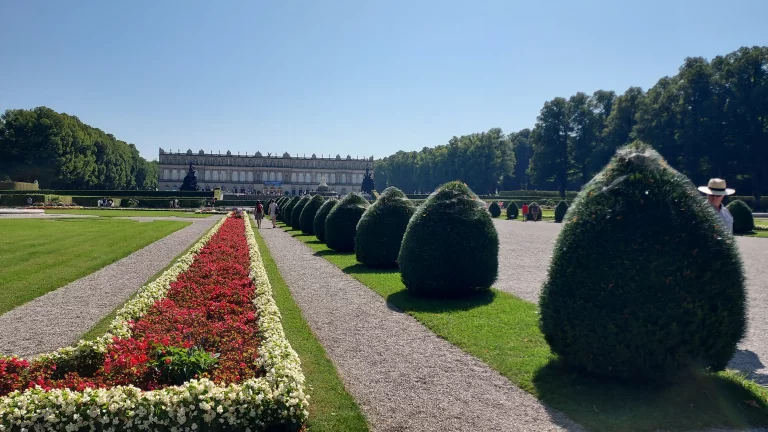
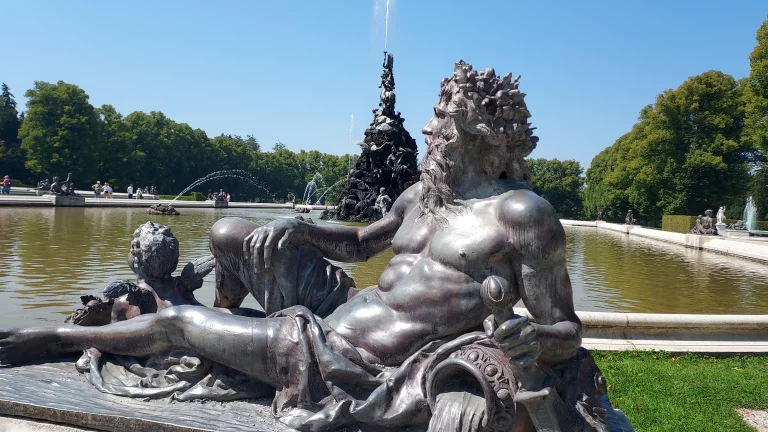
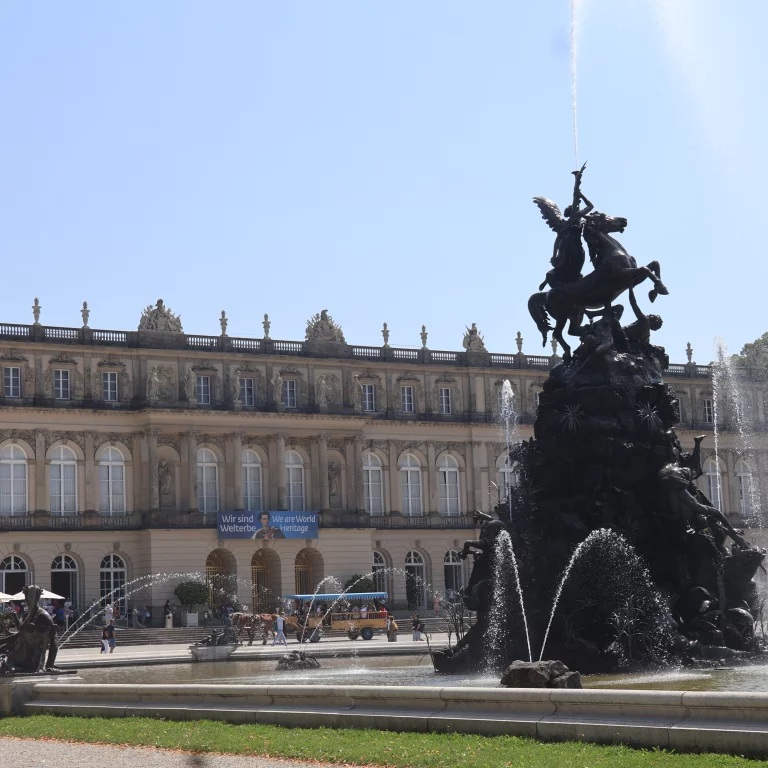
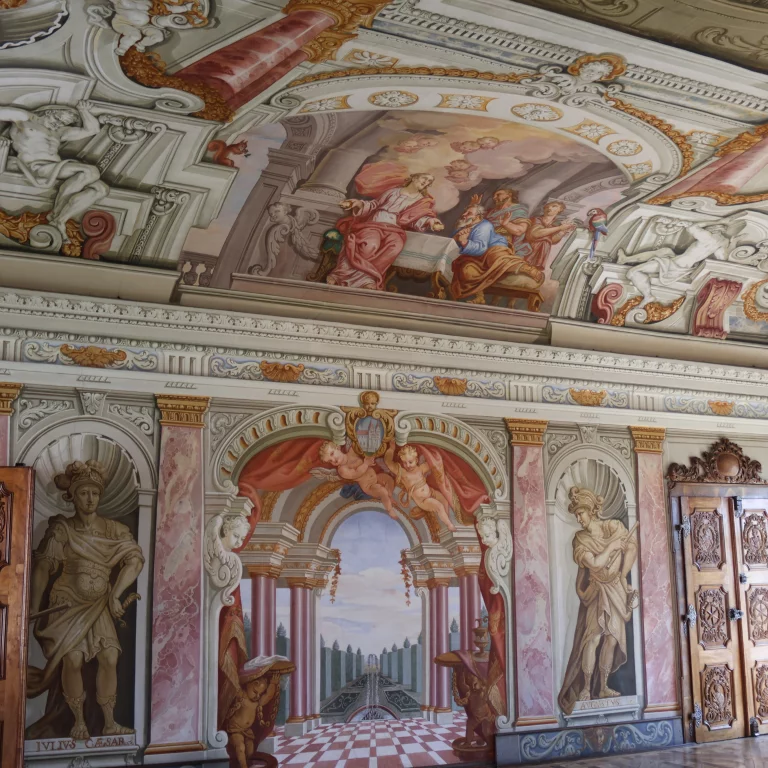
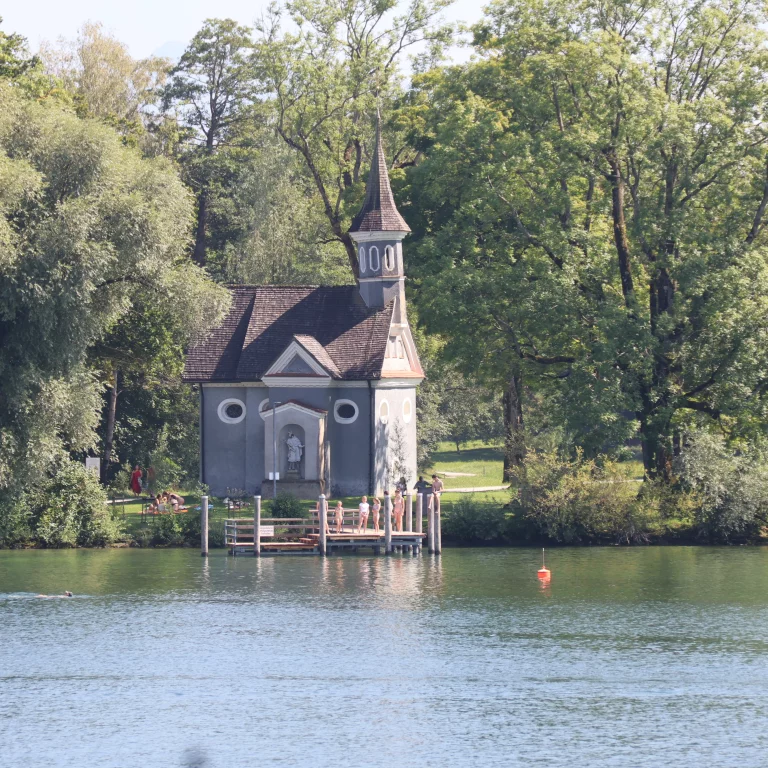
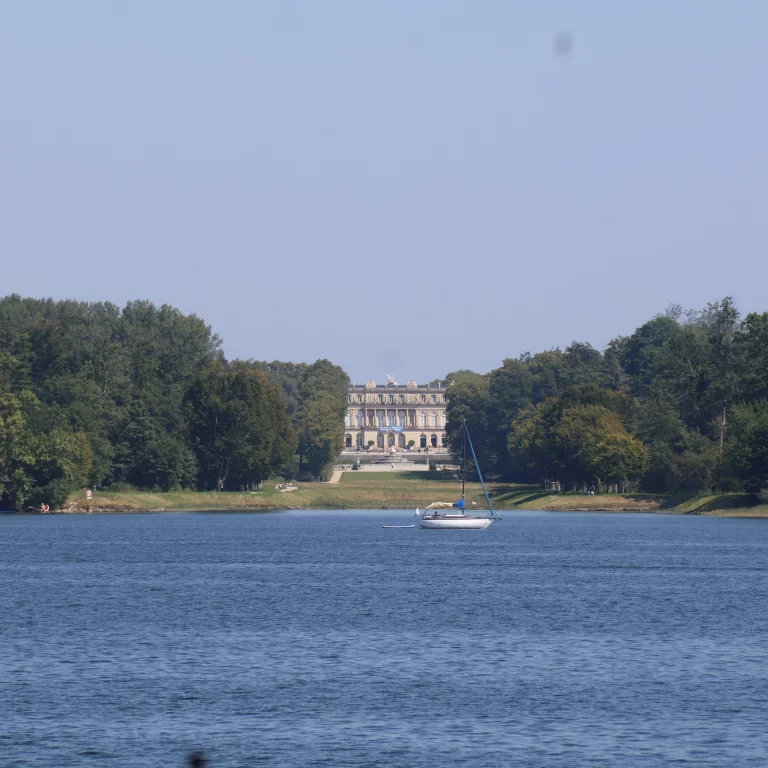
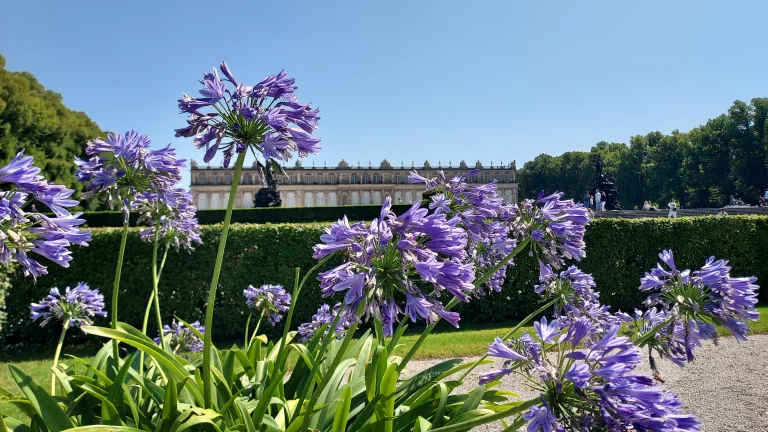
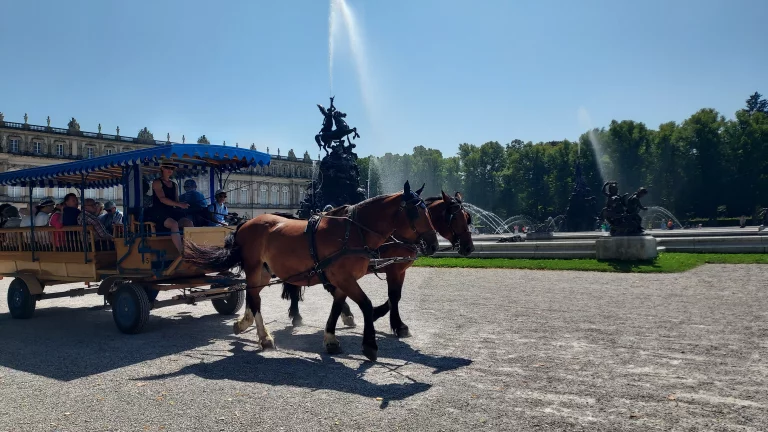
It's a shame that photos aren't allowed in certain parts of the castle: there would be so much to show the splendor imagined by Louis II!
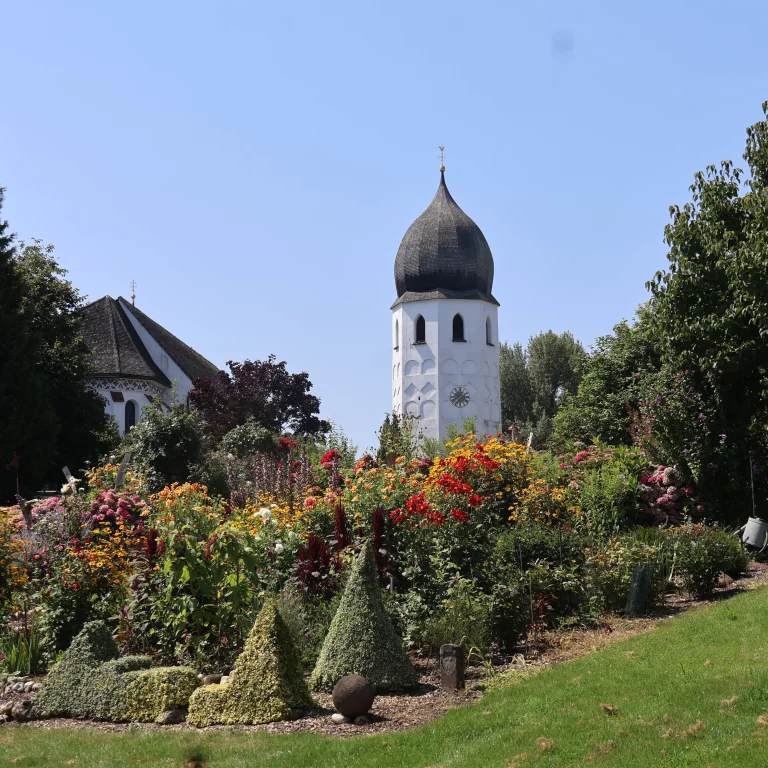
To reach the islands, we embark at Prien. After the grandeur of Herreninsel, the atmosphere changes completely on Fraueninsel. Here, we enjoy a bucolic stroll among the houses, gardens, and ceramic workshops.
And above all, we taste the smoked fish prepared by the few professional fishermen who still practice their trade on the lake.
Chiemsee – Berchtesgaden, we're almost there!
For the last 93 kilometers, we decided to limit our stops as much as possible. We wanted to dedicate more time to Berchtesgaden and its surroundings. It takes several days to explore the old salt mines still in operation, the Wimbach Gorge, visit the Kehlsteinhaus, better known as the "Eagle's Nest," hike to the summit of the Jenner, cross the legendary Königssee lake by boat to reach the small pilgrimage church of St. Bartholomew, and find the most beautiful viewpoint of the majestic Watzmann.
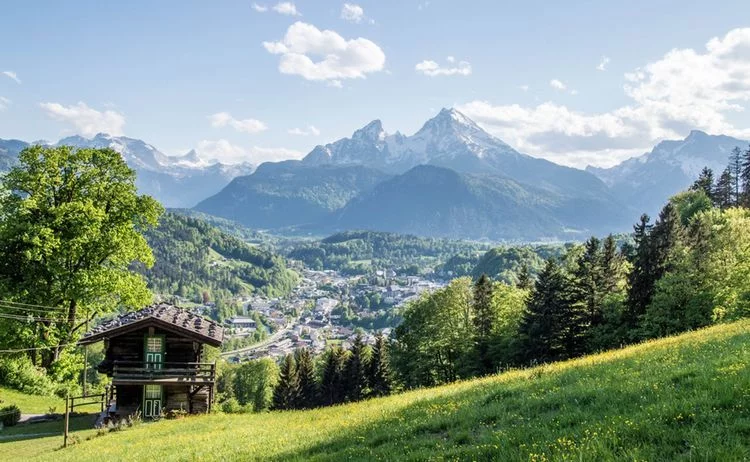
The German Alps route can easily be completed in 5 to 7 days, even if you're in a hurry. The diverse landscapes and the multitude of activities (sightseeing, walks, hikes, and water sports) make it even more appealing: it would be a shame not to take your time to fully enjoy each stop.
Practical information
German Alpine Road
https://www.deutsche-alpenstrasse.de/en/home
The website features a detailed itinerary, highlights not to be missed, accommodation suggestions, brochures to download, and suggested itineraries for a 7-night trip.
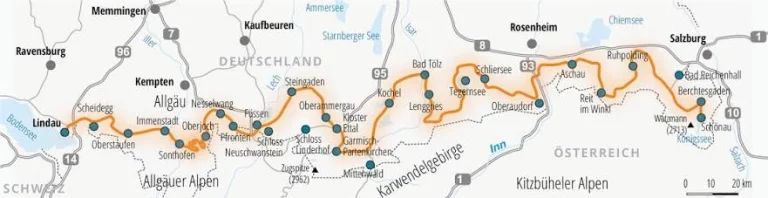
The route
The route is divided into nine sections corresponding to the tourist regions crossed: the Allgäu and the Lake Constance region, passing through mountain peaks and royal castles; the Zugspitze region, the Tölzer Land and the Tegernsee-Schliersee alpine area; and finally, three stages crossing the Chiemsee-Alpenland, the Chiemgau and the Berchtesgaden region.
The German Alpine Road uses federal roads as well as, in places, winding mountain roads where agricultural vehicles can also be encountered.
Numerous charging stations for electric cars are available at hotels and tourist sites.
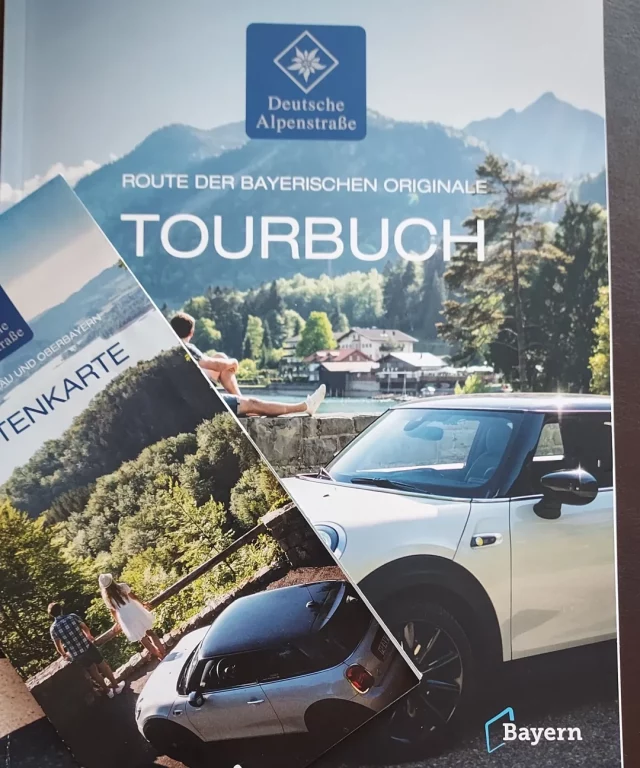
Sports option
Located slightly further north and parallel to the German Alpine Road, the Lake Constance to Königssee cycle path (455 kilometers) follows paved farm tracks and quiet roads through the Pre-Alps. The route has a total elevation gain of just under 4,000 meters. Due to the significant changes in elevation—both uphill and downhill—on certain sections, this route is best suited to experienced cyclists.
Accommodation
Scheidegg: Hotel Edita, tel.+49 8381 92550, www.hotel-edita.com
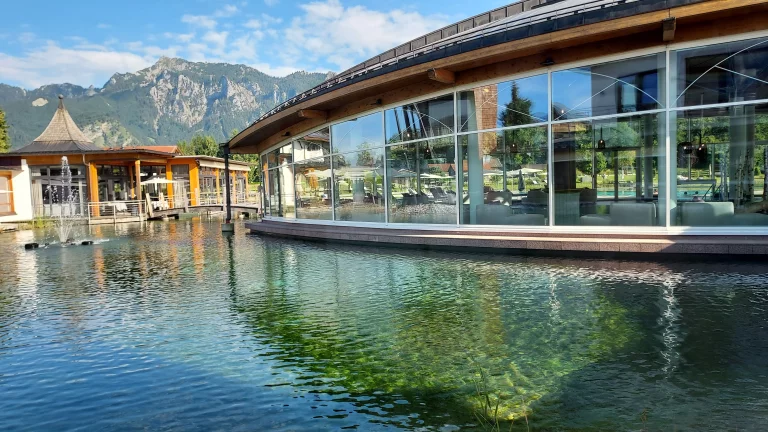
Schwangau: Das König Ludwig Inspiration SPA, tel. +49 8362 930930; www.koenig-ludwig-hotel.de
Garmisch-Partenkirchen: Staudacher Hof, +49 8821 9290, www.staudacherhof.de
Tegernsee: Der Westerhof, +49 8022 18890, www.derwesterhof.de
Chiemsee-Grassau: Das Achental, tel. +49 8641 4010, www.das-achental.com
Berchtesgaden: Hotel Edelweiss, +49 8652 9790, www.edelweiss-berchtesgaden.com